


 Bangladesh Election 2026: A Turning Point After Years of Political Suppression
  Japan Election 2026: Sanae Takaichi Poised for Landslide Win Despite Record Snowfall
  Trump Congratulates Japan’s First Female Prime Minister Sanae Takaichi After Historic Election Victory
  India–U.S. Interim Trade Pact Cuts Auto Tariffs but Leaves Tesla Out
  Trump Lifts 25% Tariff on Indian Goods in Strategic U.S.–India Trade and Energy Deal
  Trump Allows Commercial Fishing in Protected New England Waters
  Antonio José Seguro Poised for Landslide Win in Portugal Presidential Runoff
  China Warns US Arms Sales to Taiwan Could Disrupt Trump’s Planned Visit
  Trump Slams Super Bowl Halftime Show Featuring Bad Bunny
  U.S. Lawmakers to Review Unredacted Jeffrey Epstein DOJ Files Starting Monday
  Israel Approves West Bank Measures Expanding Settler Land Access
  Ghislaine Maxwell to Invoke Fifth Amendment at House Oversight Committee Deposition
  Trump Signs Executive Order Threatening 25% Tariffs on Countries Trading With Iran
  China Overturns Death Sentence of Canadian Robert Schellenberg, Signaling Thaw in Canada-China Relations
  Anutin’s Bhumjaithai Party Wins Thai Election, Signals Shift Toward Political Stability
  Trump Says “Very Good Talks” Underway on Russia-Ukraine War as Peace Efforts Continue
  Jack Lang Resigns as Head of Arab World Institute Amid Epstein Controversy


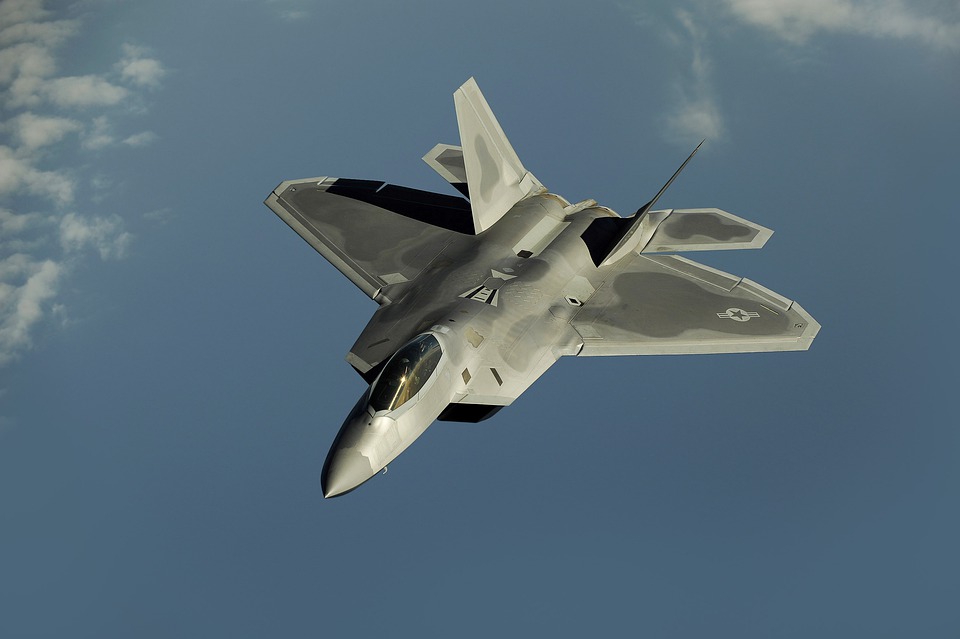
As tensions remain in the region regarding Taiwan, the island nation has also looked to bolster its defenses. Taiwan this week displayed its newest warplane, which is also locally designed and manufactured.
Reuters reports that Taiwan’s air force touted its new jet trainer aircraft this week, showing off its capabilities as it is set to replace the old, existing equipment. The new AT-5 Brave Eagle aircraft is manufactured by the state-owned Aerospace Industrial Development Corp. with a budget of $2.3 billion and carried out its first test flight back in 2020.
The AT-5 aircraft is the island’s first locally-made jet since the F-CK-1 Ching-kuo Indigenous Defense Fighter or IDF, which was deployed over 30 years ago. Both aircraft look similar to each other and have similar capabilities.
Three Brave Eagles took to the air at the Chihhang air base in Taitung, on the east coast of Taiwan, in front of the press. Flight training officer Chang Chong-hao said the Brave Eagle was capable of both air-to-air and air-to-ground combat training and could land and take off even with a short runway.
The Brave Eagle trainer can also be equipped with weapons, but the capability is still to be tested. The aircraft is also designed to have a support function in case of war.
Taiwan’s air force plans on getting 66 Brave Eagle units by 2026 to replace the old AT-3 and F-5 training aircraft, which have experienced crashes in recent years.
The United States mostly supplies Taiwan’s military, but Taiwanese President Tsai Ing-wen has looked to prioritize the development of an advanced domestic defense industry amidst tensions with China, which claims the island as part of its territory.
Last week, Taiwan’s Premier Su Tseng-chang made grim remarks on the 25th anniversary of Hong Kong’s return to China after being a British colony. Su told reporters that the promises China has made over Hong Kong were not kept.
This also comes as most people in Taiwan have no desire to be governed by Beijing, and the island’s democratic government has constantly rejected China’s “one country, two systems” offer as it has with Hong Kong and Macau.
“It’s only been 25 years, and in the past, the promise was 50 years of no change. The ‘dancing will go on and the horses still run’ has disappeared and even freedom and democracy have vanished,” said Su, referring to a Hong Kong expression of how life will not change under Beijing’s rule.













