


 Trump Congratulates Japan’s First Female Prime Minister Sanae Takaichi After Historic Election Victory
  Taiwan Says Moving 40% of Semiconductor Production to the U.S. Is Impossible
  Nicaragua Ends Visa-Free Entry for Cubans, Disrupting Key Migration Route to the U.S.
  Trump Says “Very Good Talks” Underway on Russia-Ukraine War as Peace Efforts Continue
  Ghislaine Maxwell to Invoke Fifth Amendment at House Oversight Committee Deposition
  Jack Lang Resigns as Head of Arab World Institute Amid Epstein Controversy
  Trump Signs Executive Order Threatening 25% Tariffs on Countries Trading With Iran
  Trump Administration Appeals Court Order to Release Hudson Tunnel Project Funding
  US Pushes Ukraine-Russia Peace Talks Before Summer Amid Escalating Attacks
  Bosnian Serb Presidential Rerun Confirms Victory for Dodik Ally Amid Allegations of Irregularities
  Netanyahu to Meet Trump in Washington as Iran Nuclear Talks Intensify
  Israel Approves West Bank Measures Expanding Settler Land Access
  China Warns US Arms Sales to Taiwan Could Disrupt Trump’s Planned Visit
  Trump Slams Super Bowl Halftime Show Featuring Bad Bunny
  U.S. Lawmakers to Review Unredacted Jeffrey Epstein DOJ Files Starting Monday
  Anutin’s Bhumjaithai Party Wins Thai Election, Signals Shift Toward Political Stability
  Japan Election 2026: Sanae Takaichi Poised for Landslide Win Despite Record Snowfall


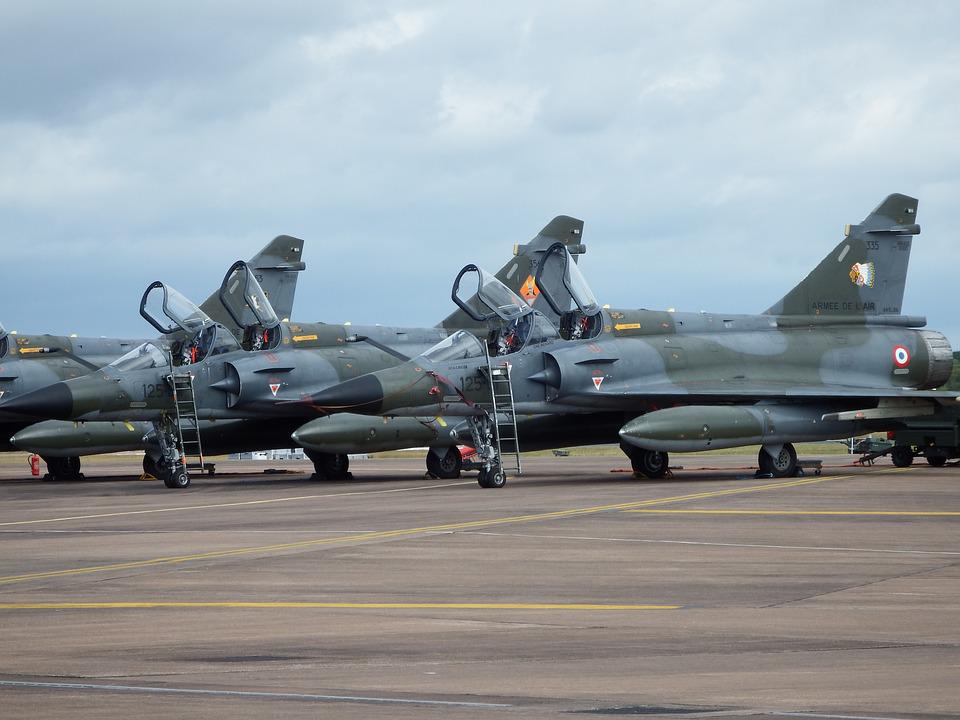
Tensions remain over the widely contested South China Sea, with China attempting to assert control over the majority of the waters. Beijing recently criticized the presence of Australian military planes over the waters it claims to have control over, saying the planes undermine security and sovereignty.
China’s defense ministry spokesman Tan Kefei said the military identified the presence of Australian military aircraft over the South China Sea and warned the aircraft to leave. This comes days after Australia said China’s fighter aircraft intercepted one of its military surveillance planes in the region.
Tan said Tuesday that Australian aircraft was threatening China’s sovereignty and security over the waters and that the Chinese military would issue a lawful and appropriate response. Tan added that Beijing opposes Australian military actions in the region.
The Australian defense ministry Sunday issued a statement reporting a Chinese fighter jet “dangerously intercepted” an Australian military surveillance plane in the waters on May 26.
The Royal Australian Air Force P-8 maritime surveillance aircraft was intercepted by a Chinese plane during a “routine maritime surveillance activity” in international airspace over the South China Sea.
The clash with Australia also came days after the Canadian military accused Chinese military planes of harassing its pilots during UN patrols along the border with North Korea as it monitored possible sanctions evasions.
This is the latest strain in relations between Australia and China, especially as Beijing is seeking a security deal with Pacific Island nations.
Back in February, then-Prime Minister Scott Morrison accused Beijing of shining a laser at one of Australia’s surveillance planes, describing the incident as an “act of intimidation,” which Australia has also described as “dangerous and reckless.”
An international tribunal back in 2016 ruled that China’s so-called “historic” claims over the majority of the body of water have no basis under international law, which Beijing has ignored. China also drew the ire of the surrounding nations who have overlapping claims to parts of the South China Sea.
The US State Department also issued a report back in January finding that Beijing’s claims over the body of water “gravely undermine the rule of law” in the oceans as well as the universally-recognized provisions of international law.
The report cited the lack of evidence to justify China’s claim to most of the sea. China only cites the “nine-dash line” to assert its sovereignty over the waters.













