


 Rachel Reeves Signals Fiscal Discipline in UK Budget Update Amid Middle East Tensions
  U.S. Stocks Fall as Middle East Conflict Fuels Inflation and Oil Price Concerns
  Oil Prices Surge After U.S.-Israel Strikes on Iran, Raising Strait of Hormuz Supply Fears
  Japan Manufacturing PMI Jumps to Four-Year High as Global Demand Strengthens
  Australia’s Economy Accelerates in Q4 2025 as Household Spending and Government Investment Rise
  KOSPI Plunges Over 8% as U.S.-Iran War Sparks Global Risk Aversion and Profit-Taking
  Bank of Japan Signals Further Interest Rate Hikes as Inflation Trends Toward 2% Target
  Asian Markets Slide as Middle East Conflict Sparks Oil Price Surge and Inflation Fears
  Argentina Tax Reform 2026: President Javier Milei Pushes Lower Taxes and Structural Changes
  U.S.-Israel War on Iran Escalates as Gulf Conflict Disrupts Oil, Air Travel and Regional Security
  China Factory Activity Surges to Five-Year High as Demand Boosts Manufacturing PMI
  Global Markets React as Dollar Surges, Swiss Franc Rallies After U.S.-Israel Strike on Iran
  ASX CEO Exit Signals Turbulent Transition Amid Lawsuit and Regulatory Scrutiny
  PBOC Scraps Forex Risk Reserve as Yuan Rally Pressures Chinese Exporters
  S&P Global Warns of Potential Downgrade for Berkshire’s PacifiCorp Over Oregon Wildfire Liabilities
  South Korea Manufacturing PMI Rises for Third Month on Strong Semiconductor Demand
  Gold Prices Surge for Fourth Day as Middle East Tensions and Strong U.S. Dollar Shape Market


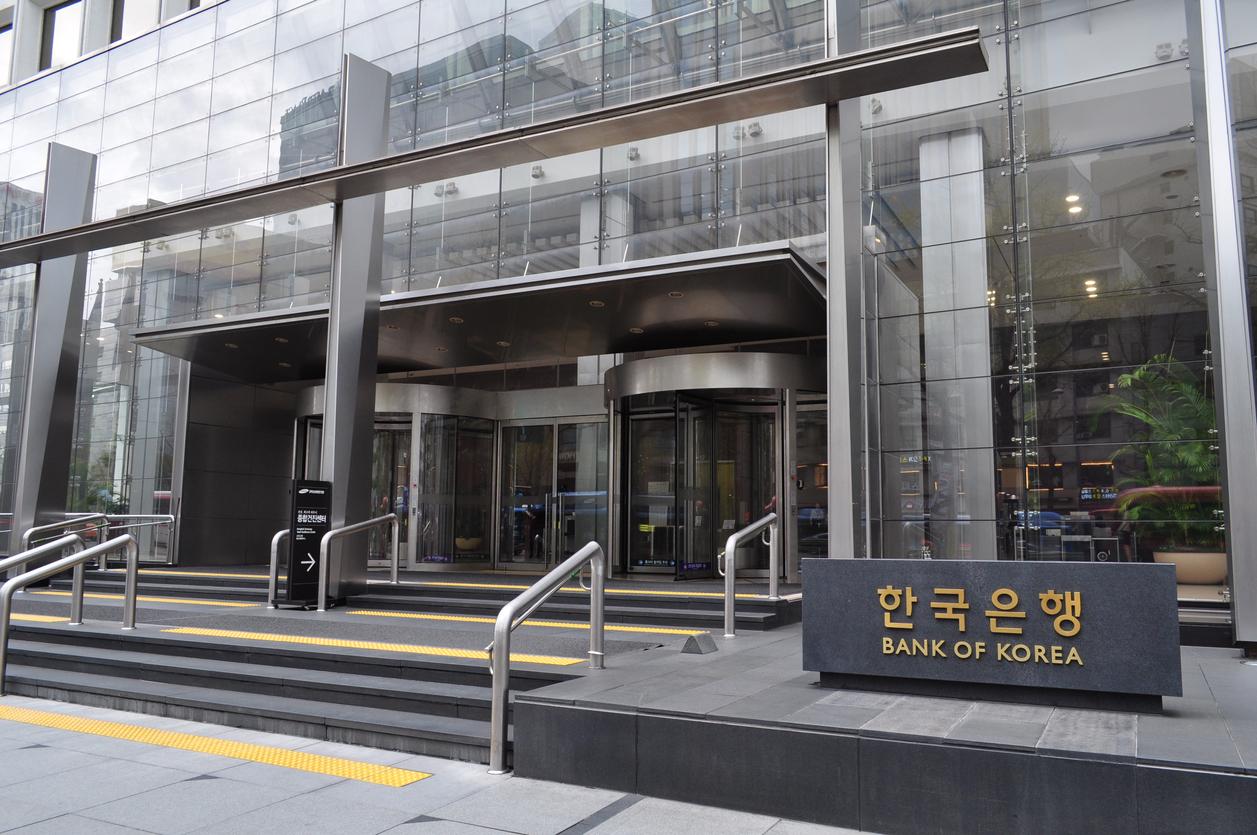
South Korea’s central bank has signalled a potential end to its current easing cycle after keeping its benchmark interest rate unchanged at 2.50% in its first policy meeting of the year, prioritising financial stability as the won hovers near 16-year lows. The Bank of Korea’s decision comes amid rising geopolitical tensions, persistent capital outflows, and mounting pressure on Asia’s fourth-largest economy.
Governor Rhee Chang-yong made it clear that foreign exchange market conditions played a decisive role in the policy stance. He noted that recent FX stabilisation measures had temporarily strengthened the won by more than 40 won against the U.S. dollar, but the currency has since resumed its weakening trend, requiring continued vigilance. Despite the policy hold, the won fell around 0.6% to approximately 1,472 per dollar, underlining ongoing concerns about financial stability and currency volatility.
The central bank has already delivered 100 basis points of cumulative rate cuts since October 2024. However, the latest policy statement marked a shift in tone, removing previous guidance that suggested further rate cuts could be considered. This change was widely interpreted as hawkish, signalling a prolonged pause rather than additional monetary easing. Financial markets reacted swiftly, with March futures on three-year treasury bonds declining, reflecting reduced expectations of near-term rate cuts.
All economists surveyed by Reuters had anticipated the decision to keep rates unchanged. Following the announcement, several analysts adjusted their interest rate forecasts. Some now believe that a rate cut is unlikely within the next six months, while others have pushed back expectations into late 2026 or even early 2027. Analysts also stressed that a pause in easing does not necessarily imply a shift toward rate hikes, but rather reflects the central bank’s focus on stabilising the currency and managing external risks.
South Korea’s won has been one of Asia’s weakest currencies in recent months, pressured by strong domestic demand for U.S. equities and unfavourable global conditions. With inflation expected to average around 1.9% this year, slightly below the central bank’s 2% target, policymakers appear willing to tolerate slower growth in exchange for greater financial stability.













