


 US Stock Futures Slide as Iran Conflict Escalates Ahead of Key Q2 Earnings Week
  SK Hynix Soars 13% in Nasdaq Debut After Record $26.5 Billion IPO
  Gordie Howe Bridge to Open July 27 After U.S.-Canada Reach Toll Revenue Agreement
  EU Weighs New Trade Restrictions on Israeli West Bank Settlements
  Yaskawa Electric Shares Slide as Weak Profit Overshadows Strong AI Demand
  Oil Prices Jump as U.S.-Iran Conflict and Strait of Hormuz Tensions Shake Global Markets
  Asian Currencies Weaken as Stronger Dollar Weighs, Yen Supported by GPIF Repatriation Hopes
  Elon Musk Says Anthropic Leads AI Race as Claude Models Challenge OpenAI
  Nvidia Tightens AI Chip Sales in Asia With Stricter Customer Approval Process
  SoftBank Corp Partners With Sierra to Expand AI Customer Support Across Japan
  South Korea’s KOSPI Enters Bear Market Despite Remaining 2026’s Best-Performing Major Stock Index
  Morgan Stanley Says China’s Reusable Rocket Progress Poses Long-Term Challenge to SpaceX
  Australian Business Conditions Hold Steady as Easing Cost Pressures Face New Oil Price Risks
  EU to Propose New Rules Limiting Children's Access to Social Media
  Meta Says States Seek $1.4 Trillion in Penalties Over Teen Social Media Addiction Lawsuit
  Zhipu AI Raises HK$31.37 Billion in Discounted Share Sale to Accelerate AI Growth
  Singapore GDP Grows 5.7% in Q2 2026 as AI-Driven Manufacturing Boosts Economy


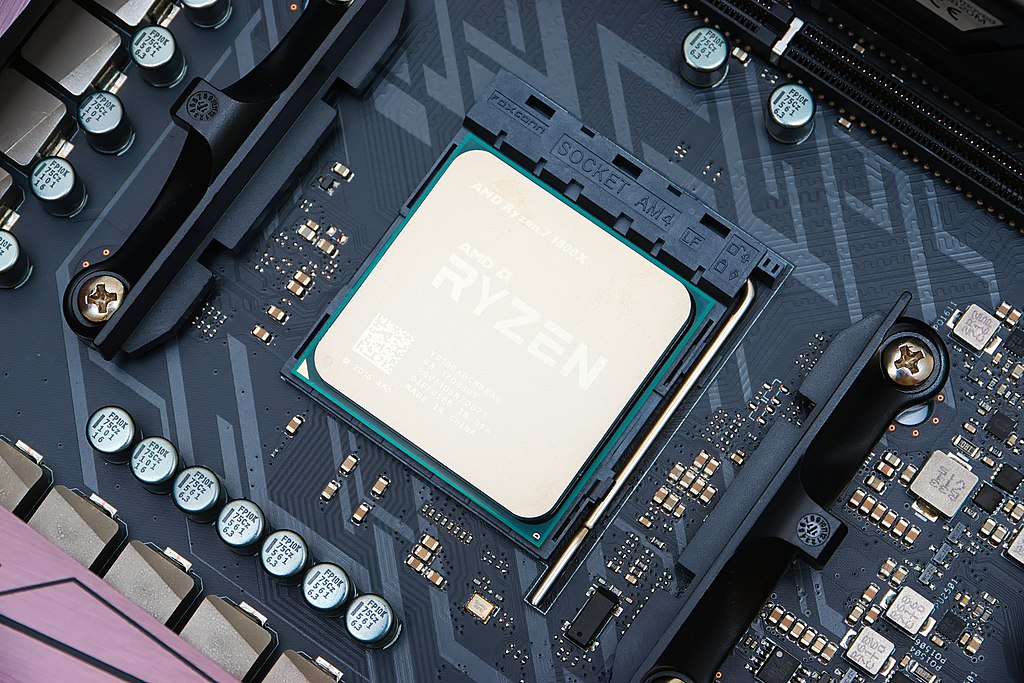
South Korea’s trade minister said a newly announced U.S. tariff on certain advanced computing chips is expected to have only a limited short-term impact on South Korean companies, while cautioning that future measures could pose greater risks.
Trade Minister Yeo Han-koo stated on Saturday that the first phase of U.S. tariffs primarily targets high-end artificial intelligence chips produced by companies such as Nvidia and AMD. He noted that South Korea’s key exports, particularly memory chips, are currently excluded from the measures, reducing the immediate effect on the country’s semiconductor industry. South Korean firms like Samsung Electronics and SK Hynix are global leaders in memory chips, which remain outside the scope of the new tariffs.
Despite this initial relief, Yeo warned that it is too early for complacency. He emphasized uncertainty around the scope and timing of a possible second phase, which could expand the tariffs to include a broader range of semiconductors and related products. The government, he said, will continue working closely with industry stakeholders to minimize potential disruptions and secure favorable outcomes for South Korean chipmakers.
The comments followed a proclamation signed by U.S. President Donald Trump on Wednesday, imposing a 25% tariff on certain artificial intelligence chips, including Nvidia’s H200 AI processor and AMD’s MI325X. The move is aimed at addressing national security concerns tied to semiconductor imports after a nine-month investigation conducted under Section 232 of the Trade Expansion Act of 1962.
According to the White House, the tariffs will be narrowly applied and will not cover chips or derivative products imported for U.S. data centers, startups, non-data center consumer applications, civil industrial uses, or U.S. public sector needs. However, a fact sheet accompanying the proclamation indicated that broader semiconductor tariffs could be introduced in the future to encourage domestic manufacturing.
Adding to industry concerns, U.S. Commerce Secretary Howard Lutnick said South Korean and Taiwanese chipmakers that fail to invest in U.S. production facilities could face tariffs of up to 100%. His remarks were made during a groundbreaking ceremony for Micron Technology’s new semiconductor plant in New York, underscoring Washington’s push to localize chip manufacturing and reduce reliance on overseas suppliers.
Overall, while the immediate impact on South Korea’s semiconductor exports appears limited, the evolving U.S. trade policy signals growing pressure on global chipmakers to expand production within the United States.







