


 Iran Says It Closes Strait of Hormuz After Warning Shot at Vessel
  UN Says Hamas Disrupted Gaza Aid Distribution, Group Denies Allegations
  Minnesota Wildfires Spread as Governor Tim Walz Deploys National Guard
  Ann Widdecombe Murder: Police Arrest Second Suspect, Rule Out Terrorism Motive
  HHS Watchdog Reports $5.56 Billion in Healthcare Fraud Recoveries as Enforcement Actions Decline
  Iranian Missile Strike on UAE Oil Tankers Kills Indian Crew Member in Strait of Hormuz
  DOJ Subpoenas New York Times Journalists Over Air Force One Leak Report
  Trump, Canada Reach Gordie Howe Bridge Deal Ahead of July 27 Opening
  Iraq PM Visits Washington as U.S. Oil, Gas Deals Take Center Stage
  EU to Propose New Rules Limiting Children's Access to Social Media
  Venezuela Appoints Felix Plasencia to Lead Foreign Relations and Trade
  Reuters/Ipsos Poll: Most Americans Expect U.S.-Iran War to Be Prolonged
  Israeli Strikes Kill Six in Gaza as Ceasefire Talks Continue in Cairo
  Trump Tells Congress Iran Hostilities Restarted, Citing New 60-Day War Powers Window
  Ukraine, Europe Launch Freyja Missile Shield to Strengthen Air Defense Against Russia
  Iran's Supreme Leader Vows Revenge as Trump Threatens Massive U.S. Military Response


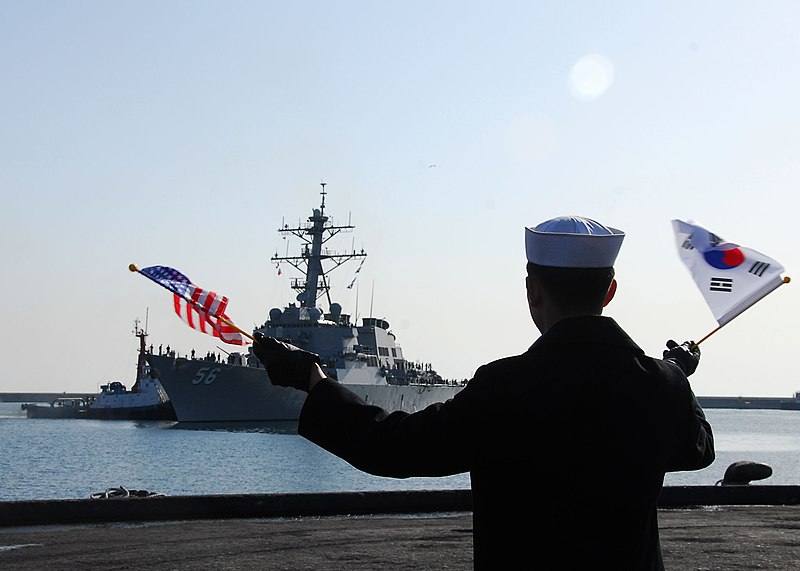
South Korea and the United States began their joint military drills this week in what would be the largest in years. This comes as both countries are looking to bolster their readiness over North Korea’s ongoing weapons tests.
Officials said, South Korea and the US are beginning their joint military drills this week, with field training to resume. The annual summer drills, also known as Ulchi Freedom Shield this year, are set to end on September 1.
South Korea’s military separately launched the four-day Ulchi civil defense drills Monday. The drills are aimed at boosting the government’s readiness for the first time since the pandemic.
The military and civil drills are aimed to improve the country’s preparedness to match the patterns of war, including cyber threats against key facilities such as chip factories and supply chains, according to President Yoon Suk-yeol.
“Maintaining peace on the Korean peninsula is built on our airtight security posture,” said Yoon during a cabinet meeting, calling for more thorough exercises based on real-world situations.
The latest drills are also the largest since 2017 after it was scaled back due to the COVID-19 pandemic. Yoon’s predecessor, Moon Jae-in also sought to restart discussions with North Korea. Pyongyang has described the exercises by the South as a rehearsal for a potential invasion.
North Korea launched two cruise missiles last week just as South Korea and the US began their preliminary training for their drills.
South Korea’s defense ministry said the allies would stage 11 field training programs, including one brigade-level program which involves thousands of troops this summer. The ministry also said it would improve its missile detection capabilities and call for an earlier deployment of a new interceptor system.
Last week, Yoon said that talks with North Korea must play a part in establishing peace in the region and not just for a political show, hours after Pyongyang launched the two cruise missiles.
Yoon also reiterated that South Korea was prepared to provide North Korea with economic aid if it shuts down its nuclear program, adding that he has called for dialogue with Pyongyang since his campaign.
“Any dialogue between the leaders of the South and North, or negotiations between working-level officials, should not be a political show, but should contribute to establishing substantive peace on the Korean peninsula and in Northeast Asia,” said Yoon.







