


 Apple Eyes Chinese Memory Chips as AI Shortage Pressures iPhone Supply Chain
  The government is ‘doubling down’ on its social media ban. But bigger penalties for platforms aren’t enough
  Anthropic Restores Claude Fable 5 and Mythos 5 After U.S. Lifts AI Export Controls
  Apple Expands iPhone Lineup, Boosts Foldable iPhone Production Plans Through 2027
  Anthropic Brings Claude AI Models to Microsoft Azure Foundry With NVIDIA Blackwell GPUs
  EU Chip Industry Faces Growing Risks From China Export Controls and U.S. Technology Dependence: Report
  Lenovo Shares Slide as AI-Driven Memory Demand Signals Higher DRAM and NAND Prices
  ShareChat Eyes 2027 IPO After Reaching Operational Profitability, Report Says
  Meta Stock Jumps as AI Cloud Expansion Challenges AWS, Microsoft, and Google
  Baidu Shares Rally as Kunlunxin Eyes $50 Billion Hong Kong IPO
  Open-Source AI Models Gain Ground as Enterprises Seek Lower-Cost Alternatives, Citi Says
  Nvidia Stock Rises as SemiAnalysis Sees AI Data Center Revenue Beating Wall Street Forecasts
  TSMC CoWoS Capacity Forecast Raised as Mizuho Sees AI Server CPU Demand Surging Through 2027
  Samsung to Invest $90 Billion in South Korea to Expand AI Chip, Display, and Battery Production
  AI can be a personal trainer in your pocket – but is it safe?
  Microsoft Reportedly Plans New Job Cuts Across Sales, Consulting, and Xbox
  Super Micro Shares Slide After Taiwan Raids Over Alleged Nvidia AI Chip Smuggling Probe


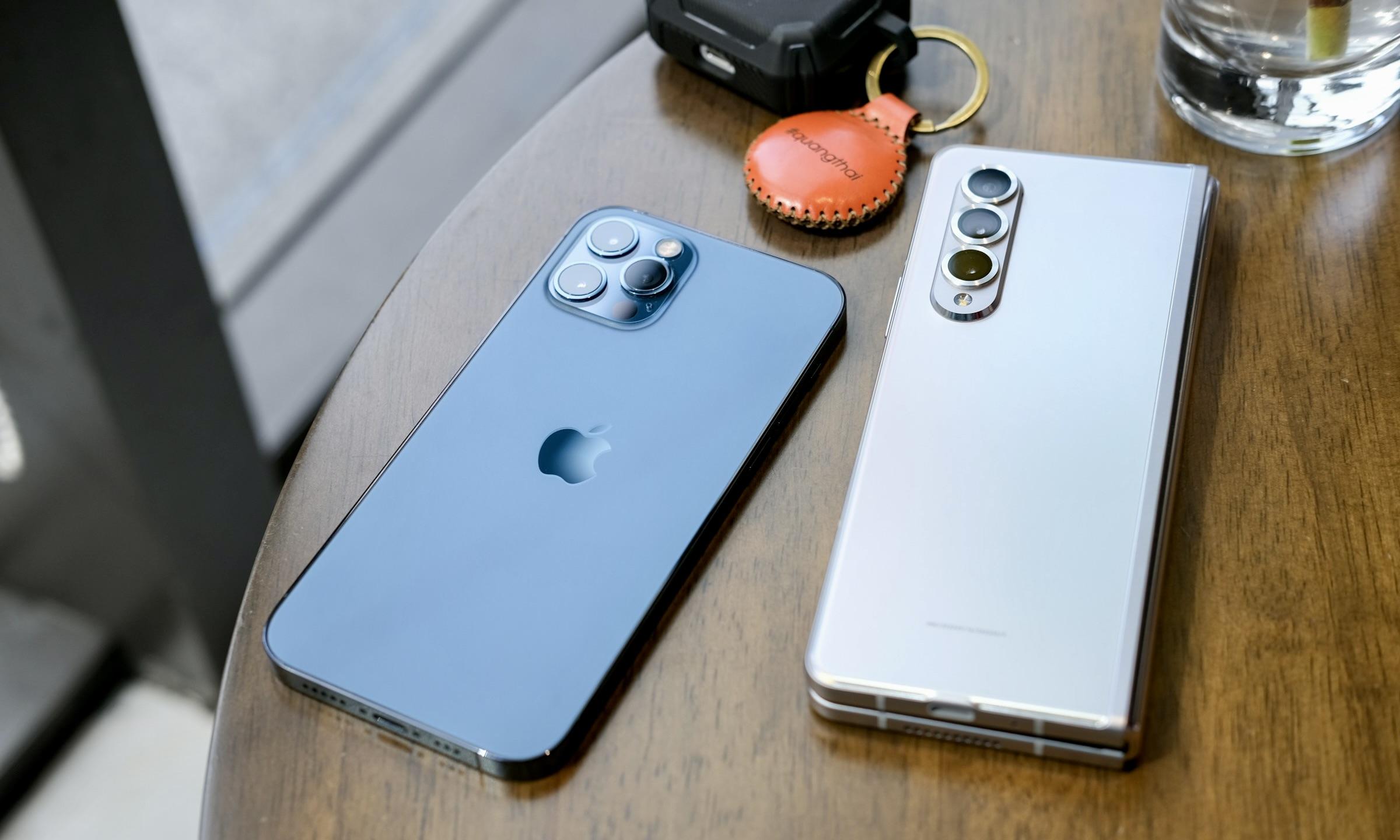
The South Korean military is considering banning iPhones from defense installations over concerns that their voice recording feature could compromise security, whereas Samsung phones are approved for use.
Potential iPhone Ban at Korean Military Sites Raises Security Alarm
According to The Korea Herald news, multiple military sources on Tuesday stated that the South Korean military is mulling a complete ban on iPhones in military buildings due to growing concerns about potential voice recordings leaking vital information. This decision was made after collaborative meetings among the Army, Navy, and Air Force headquarters.
A recently released document on the internal network of the Air Force headquarters allegedly states unequivocally that "Bringing in iPhones will be completely prohibited." Sources indicate that Android smartphones, particularly those manufactured by Samsung Electronics, will not be subject to this prohibition.
Presently, the Gyeryongdae Defense Center operates with an approximate staff of 10,000 individuals, of which roughly 6,000 are officers. However, the precise figures remain undisclosed to the public for security purposes.
Nearly 500,000 military personnel would be impacted if the prohibition was expanded to include all subordinate units. Data from the Korea Institute for Defense Analyses indicates 499,800 military personnel as of 2022, comprising 365,000 in the Army, 69,800 in the Navy, and 65,000 in the Air Force.
As per SamMobile, the prohibition on iPhones, while sparing Android-based smartphones such as Samsung's Galaxy series, is reportedly due to iPhones' failure to adhere entirely to the guidelines set forth by the National Defense Mobile Security.
This mobile device management application, overseen by military authorities, imposes restrictions upon activation, impeding various smartphone functionalities like the camera, Wi-Fi, tethering, USB functions, and the microphone.
Why Samsung Smartphones Escape the Korean Military Ban
Notably, Apple's policy disallows third-party apps from manipulating the fundamental features of iPhones, except for the camera.
In August 2013, the Ministry of National Defense unveiled the security app to reduce the possibility that confidential information would be stolen from its Seoul headquarters in Yongsan-gu. At first, this policy only applied to public servants and military commanders employed by the government.
The iPhone ban is considered a trial run, with a broader rollout anticipated in the coming months.
Photo: Thai Nguyen/Unsplash







