


 SpaceX Seeks FCC Approval for Massive Solar-Powered Satellite Network to Support AI Data Centers
  SoftBank and Intel Partner to Develop Next-Generation Memory Chips for AI Data Centers
  TSMC Eyes 3nm Chip Production in Japan with $17 Billion Kumamoto Investment
  Nvidia Nears $20 Billion OpenAI Investment as AI Funding Race Intensifies
  Nvidia, ByteDance, and the U.S.-China AI Chip Standoff Over H200 Exports
  SpaceX Updates Starlink Privacy Policy to Allow AI Training as xAI Merger Talks and IPO Loom
  Amazon Stock Rebounds After Earnings as $200B Capex Plan Sparks AI Spending Debate
  Sam Altman Reaffirms OpenAI’s Long-Term Commitment to NVIDIA Amid Chip Report
  Sony Q3 Profit Jumps on Gaming and Image Sensors, Full-Year Outlook Raised
  Elon Musk’s SpaceX Acquires xAI in Historic Deal Uniting Space and Artificial Intelligence
  Jensen Huang Urges Taiwan Suppliers to Boost AI Chip Production Amid Surging Demand
  AMD Shares Slide Despite Earnings Beat as Cautious Revenue Outlook Weighs on Stock
  Elon Musk’s Empire: SpaceX, Tesla, and xAI Merger Talks Spark Investor Debate
  Nvidia Confirms Major OpenAI Investment Amid AI Funding Race
  SoftBank Shares Slide After Arm Earnings Miss Fuels Tech Stock Sell-Off
  Google Cloud and Liberty Global Forge Strategic AI Partnership to Transform European Telecom Services


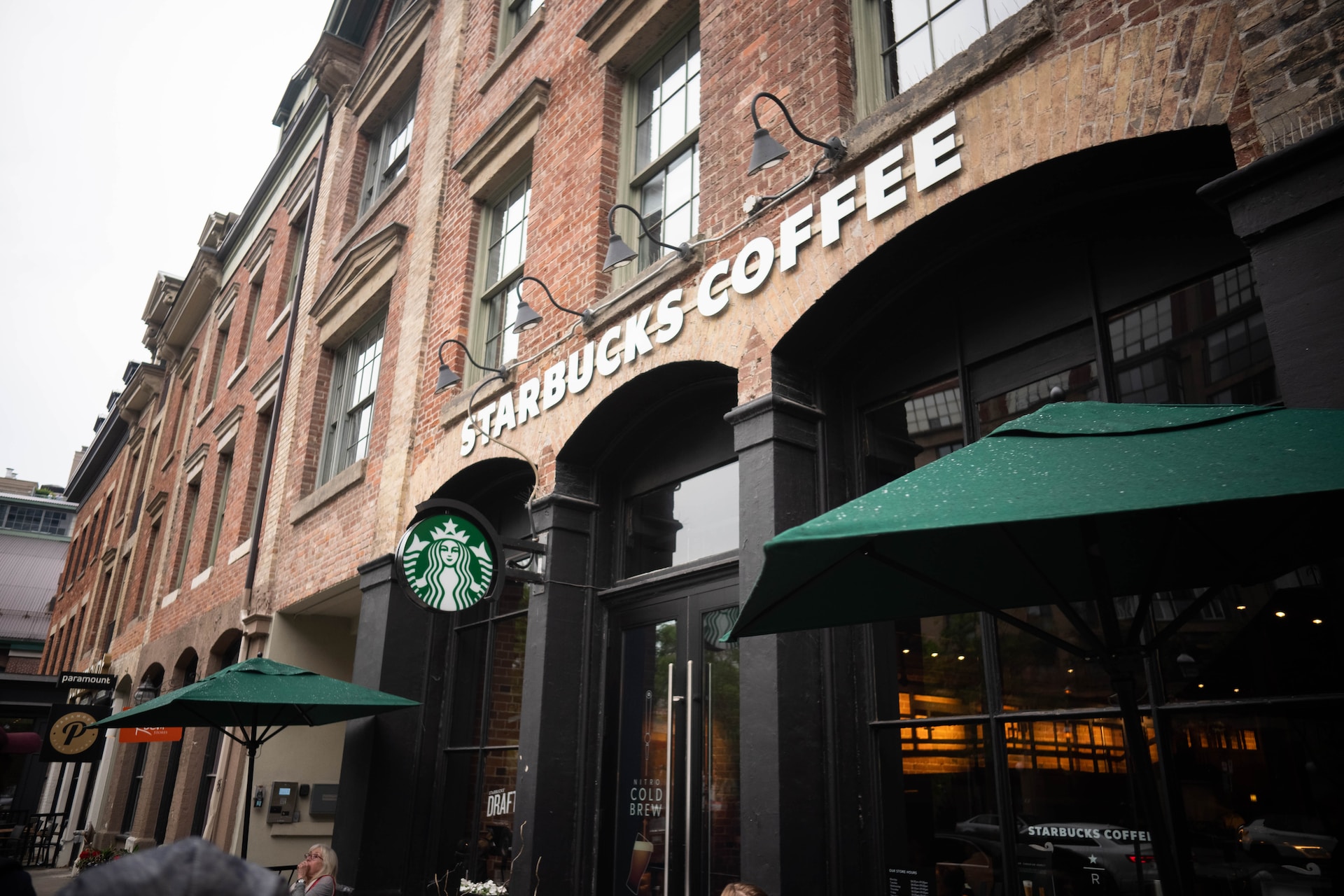
In a December complaint to Washington's Attorney General, a consumer protection group said Starbucks' mobile app traps consumers in a vicious loop of beverage purchasing. The mobile app of the coffee business purportedly employs "dark patterns" to render low funds on a Starbucks Card unusable, compelling you to add $10 or lose that money entirely.
Starbucks App Traps Users In A 'Vicious Cycle' Of Shaken Espresso
“The Starbucks Payment Platform involves unfair and deceptive digital dark patterns that effectively trap its customers into prepaying for the company’s services. The Attorney General should take immediate action to put a stop to Starbucks’ unfair and deceptive conduct and make Washington’s consumers whole for the harms it has caused them,” the Washington Consumer Protection Coalition stated in a letter dated Dec. 19.
“Starbucks is committed to working with the State of Washington to ensure it remains in compliance with all state laws and regulations,” Starbucks said in an official statement.
The consumer advocate refers to these tactics as "dark patterns," which are methods that software might subtly lure users into doing things they didn't intend to do, such as spending more money or giving information.
Washington AG Fines Google $40 Million for Misleading Location Tracking Practices
The Attorney General of Washington recently ordered Google to pay $40 million for shady practices including misleading location monitoring, in which Google acquired location data on customers without their consent.
According to the Washington Consumer Protection Coalition, this is just another instance of dark pattern deception, and the practice of "the capacity to deceive substantial portions of the public" is prohibited.
In 2022, the Federal Trade Commission identified common dark trends, such as difficult-to-cancel subscriptions, concealed garbage fees, and luring consumers into disclosing data. "Our report shows how more and more companies are using digital dark patterns to trick people into buying products and giving away their personal information," Samuel Levine, Director of the FTC's Bureau of Consumer Protection, said at the time the report was released.
Photo: TR/Unsplash













