


 Israeli Strikes Kill Six in Gaza as Ceasefire Talks Continue in Cairo
  Gordie Howe Bridge to Open July 27 After U.S.-Canada Reach Toll Revenue Agreement
  Meta Says States Seek $1.4 Trillion in Penalties Over Teen Social Media Addiction Lawsuit
  US-Iran Strikes Escalate as Strait of Hormuz Crisis Pushes Oil Prices Higher
  Elon Musk Says Anthropic Leads AI Race as Claude Models Challenge OpenAI
  EU Weighs New Trade Restrictions on Israeli West Bank Settlements
  LG Energy Solution Q2 Profit Plunges 77% Despite Revenue Growth on Weak EV Demand
  AstraZeneca Shares Sink After Wainua Trial Misses Key Heart Disease Goal
  Australia Flags Child Safety Gaps at Apple, Meta, Google Over Online Sexual Extortion
  Bain Capital Exits Kioxia After AI-Fueled Valuation Surge
  Dollar Holds Steady Ahead of U.S. CPI as Oil Surge, Middle East Tensions Keep Markets on Edge
  Oil Prices Surge as U.S.-Iran Conflict Escalates and Strait of Hormuz Risks Grow
  Republican Senator Lindsey Graham Dies at 71, Leaving South Carolina Senate Seat Vacant
  Nvidia Invests $500M in Firmus Technologies Ahead of Planned ASX IPO
  Asian Currencies Weaken as Stronger Dollar Weighs, Yen Supported by GPIF Repatriation Hopes
  South Korea’s KOSPI Triggers Trading Curb as AI Chip Stock Selloff Deepens


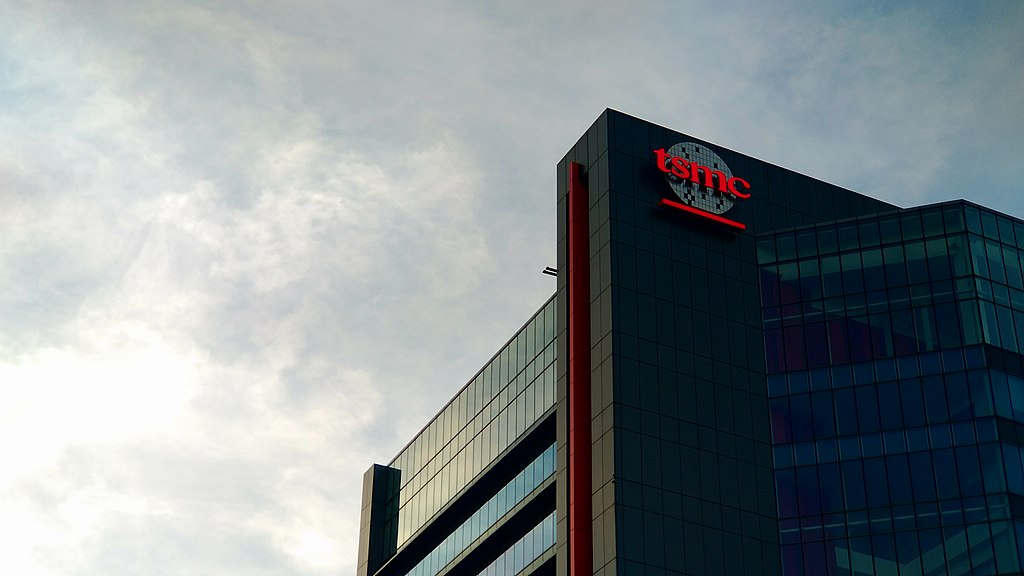
Taiwan has firmly rejected a reported U.S. proposal to divide global semiconductor production equally between the two countries. The island’s Vice Premier and chief tariff negotiator, Cheng Li-chiun, stated on Wednesday that no such agreement had been discussed or accepted during recent trade talks with Washington. The comments followed remarks by U.S. Commerce Secretary Howard Lutnick, who claimed that the United States sought a 50-50 chip production split with Taiwan.
Cheng clarified upon her return to Taipei that Taiwan’s negotiating team had never entertained such a condition. “Our negotiating team has never made any commitment to a 50-50 split on chips. Rest assured, we did not discuss this issue during this round of talks, nor would we agree to such conditions,” she emphasized, according to Taiwan’s Central News Agency.
Taiwan, home to the world’s largest contract chipmaker, TSMC, currently produces the majority of advanced semiconductors that power everything from smartphones to artificial intelligence systems. While TSMC is investing $165 billion to expand chip manufacturing in Arizona, the bulk of its production will remain in Taiwan. The island also maintains a large trade surplus with the United States, with its exports facing a 20% tariff.
Taiwanese officials are pushing for more favorable tariff terms, with Premier Cho Jung-tai confirming in parliament that “critical substantive consultations” with Washington are ongoing. Cheng added that the latest round of discussions yielded “certain progress,” though no final deal has been reached.
Separately, Taiwan’s presidential office confirmed that President Lai Ching-te met with Luke J. Lindberg, U.S. Under Secretary for Trade and Foreign Agricultural Affairs. During the meeting, Taiwan pledged to purchase $10 billion worth of U.S. agricultural goods over the next four years, including soybeans, wheat, corn, and beef.
The negotiations highlight Taiwan’s dual strategy of protecting its semiconductor dominance while strengthening trade relations with the United States.







