


 Trump Allegedly Sought Airport, Penn Station Renaming in Exchange for Hudson River Tunnel Funding
  Trump Signs “America First Arms Transfer Strategy” to Prioritize U.S. Weapons Sales
  Iran–U.S. Nuclear Talks in Oman Face Major Hurdles Amid Rising Regional Tensions
  Trump Endorses Japan’s Sanae Takaichi Ahead of Crucial Election Amid Market and China Tensions
  Ohio Man Indicted for Alleged Threat Against Vice President JD Vance, Faces Additional Federal Charges
  South Korea Assures U.S. on Trade Deal Commitments Amid Tariff Concerns
  Norway Opens Corruption Probe Into Former PM and Nobel Committee Chair Thorbjoern Jagland Over Epstein Links
  Trump Backs Nexstar–Tegna Merger Amid Shifting U.S. Media Landscape
  U.S. to Begin Paying UN Dues as Financial Crisis Spurs Push for Reforms
  Trump Lifts 25% Tariff on Indian Goods in Strategic U.S.–India Trade and Energy Deal
  TrumpRx.gov Highlights GLP-1 Drug Discounts but Offers Limited Savings for Most Americans
  Pentagon Ends Military Education Programs With Harvard University
  Trump Says “Very Good Talks” Underway on Russia-Ukraine War as Peace Efforts Continue
  Trump Allows Commercial Fishing in Protected New England Waters
  Japan Election 2026: Sanae Takaichi Poised for Landslide Win Despite Record Snowfall
  New York Legalizes Medical Aid in Dying for Terminally Ill Patients
  China Warns US Arms Sales to Taiwan Could Disrupt Trump’s Planned Visit


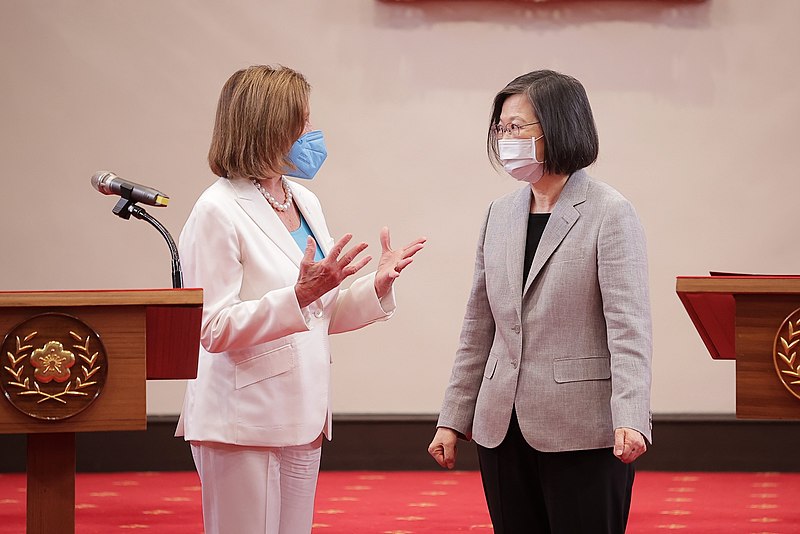
The island nation of Taiwan recently unveiled its plans to increase its defense spending. The move comes amid tensions with China, with Beijing holding military exercises close by.
The government of Taiwanese President Tsai Ing-wen announced Thursday that it was going to increase defense spending by 13.9 percent. The increase would include additional funding for new fighter jets and other equipment and would take the defense budget up to $19.41 billion, or about 15 percent of Taiwan’s total government expenditure.
The proposed budget has yet to be confirmed by parliament. Tsai said Taiwan’s determination to defend its sovereignty would remain despite pressure and threats from China. China claims the democratically-governed island as its territory and has pressured Taiwan to accept Beijing’s rule.
“At the same time, as a responsible member of the international community, Taiwan will not provoke incidents or escalate conflicts,” said Tsai. Tsai, who leads the Democratic Progressive Party, has pledged to modernize Taiwan’s armed forces.
Back in March, China announced plans to spend over $200 billion on defense, which some analysts say understates the scale of its spending on its military. China has been holding large-scale military drills close to the island in recent weeks out of anger from the visit of US House Speaker Nancy Pelosi to the island.
China has accused the United States of trying to overturn the diplomatic policy on the island. While Washington said it does not support Taiwan’s independence, it strongly opposes any attempt to forcefully change the status quo. The US is also treaty-bound to supply Taiwan with weapons to defend itself.
Following Pelosi’s visit, more and more US officials have visited the island, in further defiance of Beijing. The latest visit was from US Republican Senator Marsha Blackburn, who arrived in Taiwan Thursday.
“Taiwan is our strongest partner in the Indo-Pacific Region. Regular high-level visits to Taipei are long-standing US policy,” Blackburn said in a statement. “I will not be bullied by Communist China into turning my back on the island.”
Taiwan has strong bipartisan support in a very divided US Congress.
Blackburn met with Tsai, as well as top security official Wellington Koo and foreign minister Joseph Wu.













