


 SpaceX Eyes Historic IPO at $1.75 Trillion Valuation
  Rubio Directs U.S. Diplomats to Use X and Military Psyops to Counter Foreign Propaganda
  SMIC Allegedly Supplies Chipmaking Tools to Iran's Military, U.S. Officials Warn
  NASA Artemis II: First Crewed Moon Mission Since Apollo Takes Four Astronauts on 10-Day Lunar Journey
  TSMC Japan's Second Fab to Produce 3nm Chips by 2028
  Nanya Technology Shares Surge 10% After $2.5 Billion Private Placement from Sandisk and Cisco
  Microsoft's $10 Billion Japan Investment: AI Infrastructure and Data Sovereignty Push
  AWS Bahrain Region Disrupted by Drone Activity Amid Middle East Conflict
  OpenAI Pulls the Plug on Sora, Ending $1 Billion Disney Partnership
  Microsoft Eyes $7B Texas Energy Deal to Power AI Data Centers
  SpaceX IPO Filing Expected This Week as Valuation Could Surpass $75 Billion
  Cybersecurity Stocks Tumble After Anthropic's Claude Mythos AI Leak Sparks Market Fears
  Meta Ties Executive Pay to Aggressive Stock Price Targets in Major Retention Push
  NASA's Artemis II Mission: First Crewed Lunar Journey Since Apollo
  SK Hynix Eyes Up to $14 Billion U.S. IPO to Fund AI Chip Expansion
  NVIDIA's Feynman AI Chip May Face Redesign Amid TSMC Capacity Crunch


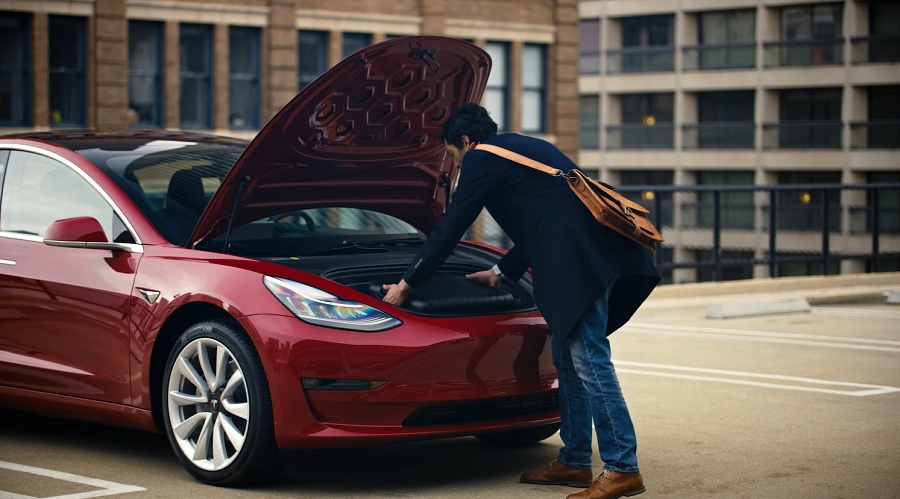
Tesla’s electric vehicles are best known for its high-tech features such as its autopilot system. But the company has also been emphasizing its vehicles’ top ratings in terms of safety given to them by official traffic authorities.
Just last month, the Tesla Model 3 was given another high rating after a crash test conducted by the Euro New Car Assessment Programme (NCAP). The electric car scored an overall 96 rating for evaluations that included a dummy of an adult passenger.
Tesla Model 3 ads called out by NHTSA
In the United States, the Tesla Model 3 Long Range RWD scored a 5-star rating on overall safety from crash tests conducted by the National Highway Traffic Safety Administration (NHTSA) in 2018. Not surprisingly, Tesla capitalized on these ratings in advertising Tesla Model 3. In a blog post from Oct. 7, 2018, the company took pride in the NHTSA crash assessment results claiming that the Tesla Model 3 was designed to be the “safest car ever built.”
However, documents obtained by PlainSite via requests under freedom of information laws showed that NHTSA issued a cease and desist order to Tesla. The agency wanted the company to stop advertising Tesla Model 3 as the “safest” vehicle on the market.
NHTSA rebuked Tesla’s “misleading statements” from the said blog post written based on the agency’s overall 5-star safety rating of the Tesla Model 3. The same letter notified the company that they have referred the matter to the Federal Trade Commission’s Bureau of Consumer Protection to determine if Tesla’s claims are “unfair” or “deceptive.”
Agency claims ‘safest car’ claims are inaccurate, Tesla disagrees
Authorities have specifically mentioned four phrases from the blog post. One statement that NHTSA found to be misleading was, “NHTSA’s tests also show that [Tesla Model 3] has the lowest probability of injury of all cars the safety agency has ever tested.
NHTSA argued that tests for frontal collision include crashing cars into a fixed barrier. But the results are reportedly subjective and would vary depending on the vehicle’s mass with a differential of as much as 250 pounds. With that, the feds further explained that since vehicle mass varies, it is “inaccurate” to tell the public that Tesla Model 3 is the safest car there is.
Tesla did not submit to the cease and desist order. In a response letter, Tesla insisted on following NHTSA’s guidelines in publishing overall safety ratings in advertising Tesla Model 3. The company ultimately informed that agency that it would not take down blog posts and online advertisements in question until the NHTSA grants another car with higher scores than the Tesla Model 3 Long Range RWD.







