


 Global PC Makers Eye Chinese Memory Chip Suppliers Amid Ongoing Supply Crunch
  Anthropic Eyes $350 Billion Valuation as AI Funding and Share Sale Accelerate
  Oracle Plans $45–$50 Billion Funding Push in 2026 to Expand Cloud and AI Infrastructure
  SpaceX Reports $8 Billion Profit as IPO Plans and Starlink Growth Fuel Valuation Buzz
  Palantir Stock Jumps After Strong Q4 Earnings Beat and Upbeat 2026 Revenue Forecast
  SpaceX Updates Starlink Privacy Policy to Allow AI Training as xAI Merger Talks and IPO Loom
  Toyota’s Surprise CEO Change Signals Strategic Shift Amid Global Auto Turmoil
  Amazon Stock Rebounds After Earnings as $200B Capex Plan Sparks AI Spending Debate
  Instagram Outage Disrupts Thousands of U.S. Users
  Tencent Shares Slide After WeChat Restricts YuanBao AI Promotional Links
  Rio Tinto Shares Hit Record High After Ending Glencore Merger Talks
  Nvidia, ByteDance, and the U.S.-China AI Chip Standoff Over H200 Exports
  Missouri Judge Dismisses Lawsuit Challenging Starbucks’ Diversity and Inclusion Policies
  SpaceX Prioritizes Moon Mission Before Mars as Starship Development Accelerates
  Jensen Huang Urges Taiwan Suppliers to Boost AI Chip Production Amid Surging Demand
  SoftBank and Intel Partner to Develop Next-Generation Memory Chips for AI Data Centers


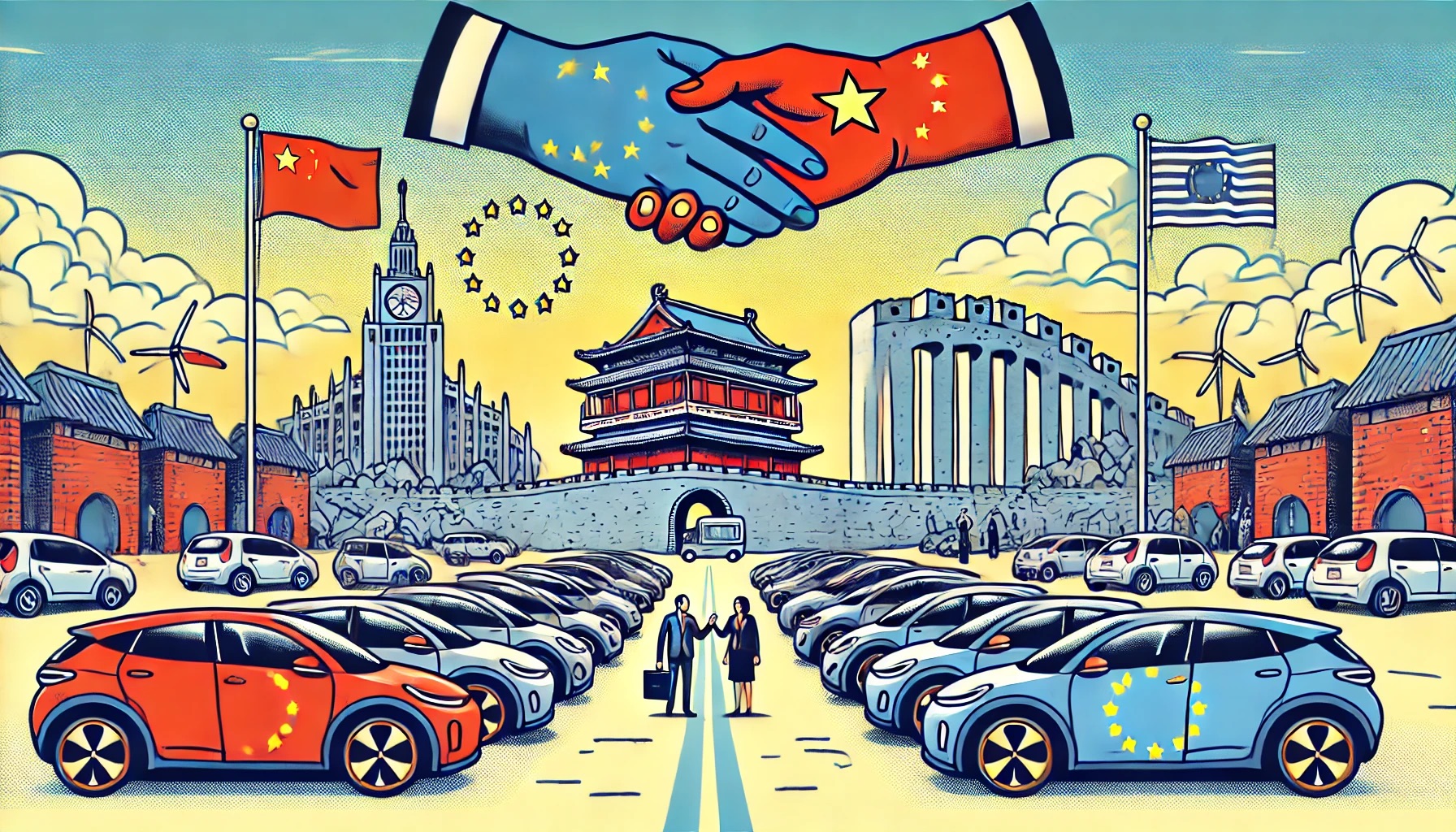
In a significant development, the EU and China have agreed to lower tariffs on electric vehicles, benefiting Tesla and BYD. The move follows intense discussions about pricing and potential subsidies impacting the European market.
European Commission Executive Vice President and Trade Commissioner Valdis Dombrovskis and Chinese Minister of Commerce Wang Wentao recently met and agreed to resolve issues on European tariffs on electric vehicle (EV) imports made in China.
EV Tariff Negotiations Begin
Rumor has it that Dombrovskis has agreed to keep negotiating price commitments for Chinese electric vehicle imports, as stated by Teslarati, according to the Ministry of Commerce. Wang and Dombrovskis reached an agreement that the two countries would work together to find a solution that would satisfy everyone.
Reportedly, the Commission has lowered its tariff rates for electric vehicle imports built in China to 35.3% as of this writing. Duties will supposedly be reduced for carmakers who received individual rates as well, including BYD, Geely, Tesla, and Volkswagen. The rate at Tesla, for example, is said to be going down from 9% to 7.8%.
Lower Tariffs for BYD, Tesla, and Geely
The European Commission began its investigation into Chinese electric vehicle imports for possible subsidies without receiving a formal complaint from European industries, as Minister Wang pointed out during his discussion with the commissioner. The verdicts of the investigation, he said, are irrational and unfair in addition to being non-compliant.
While the Commission was looking into the matter, the Chinese minister also reminded Dombrovskis that China had suggested a solution involving a price pledge. He went on to say that in response to EU concerns, China had revised their pricing promise proposal. So far, the Commission has not turned down any of China's suggestions.
China’s Pricing Pledge Gains Traction
The Ministry's report states that Wang warned that China will intervene if needed to safeguard the legal interests and rights of its businesses.
It is China's duty to protect the lawful interests and reasonable demands of its own industry, according to the Chinese Ministry of Commerce.













