


 Toyota’s Surprise CEO Change Signals Strategic Shift Amid Global Auto Turmoil
  Elon Musk’s Empire: SpaceX, Tesla, and xAI Merger Talks Spark Investor Debate
  Anthropic Eyes $350 Billion Valuation as AI Funding and Share Sale Accelerate
  TrumpRx Website Launches to Offer Discounted Prescription Drugs for Cash-Paying Americans
  TSMC Eyes 3nm Chip Production in Japan with $17 Billion Kumamoto Investment
  Tencent Shares Slide After WeChat Restricts YuanBao AI Promotional Links
  Nvidia, ByteDance, and the U.S.-China AI Chip Standoff Over H200 Exports
  OpenAI Expands Enterprise AI Strategy With Major Hiring Push Ahead of New Business Offering
  SpaceX Reports $8 Billion Profit as IPO Plans and Starlink Growth Fuel Valuation Buzz
  American Airlines CEO to Meet Pilots Union Amid Storm Response and Financial Concerns
  Uber Ordered to Pay $8.5 Million in Bellwether Sexual Assault Lawsuit
  Washington Post Publisher Will Lewis Steps Down After Layoffs
  SoftBank Shares Slide After Arm Earnings Miss Fuels Tech Stock Sell-Off
  SoftBank and Intel Partner to Develop Next-Generation Memory Chips for AI Data Centers
  Global PC Makers Eye Chinese Memory Chip Suppliers Amid Ongoing Supply Crunch
  Elon Musk’s SpaceX Acquires xAI in Historic Deal Uniting Space and Artificial Intelligence


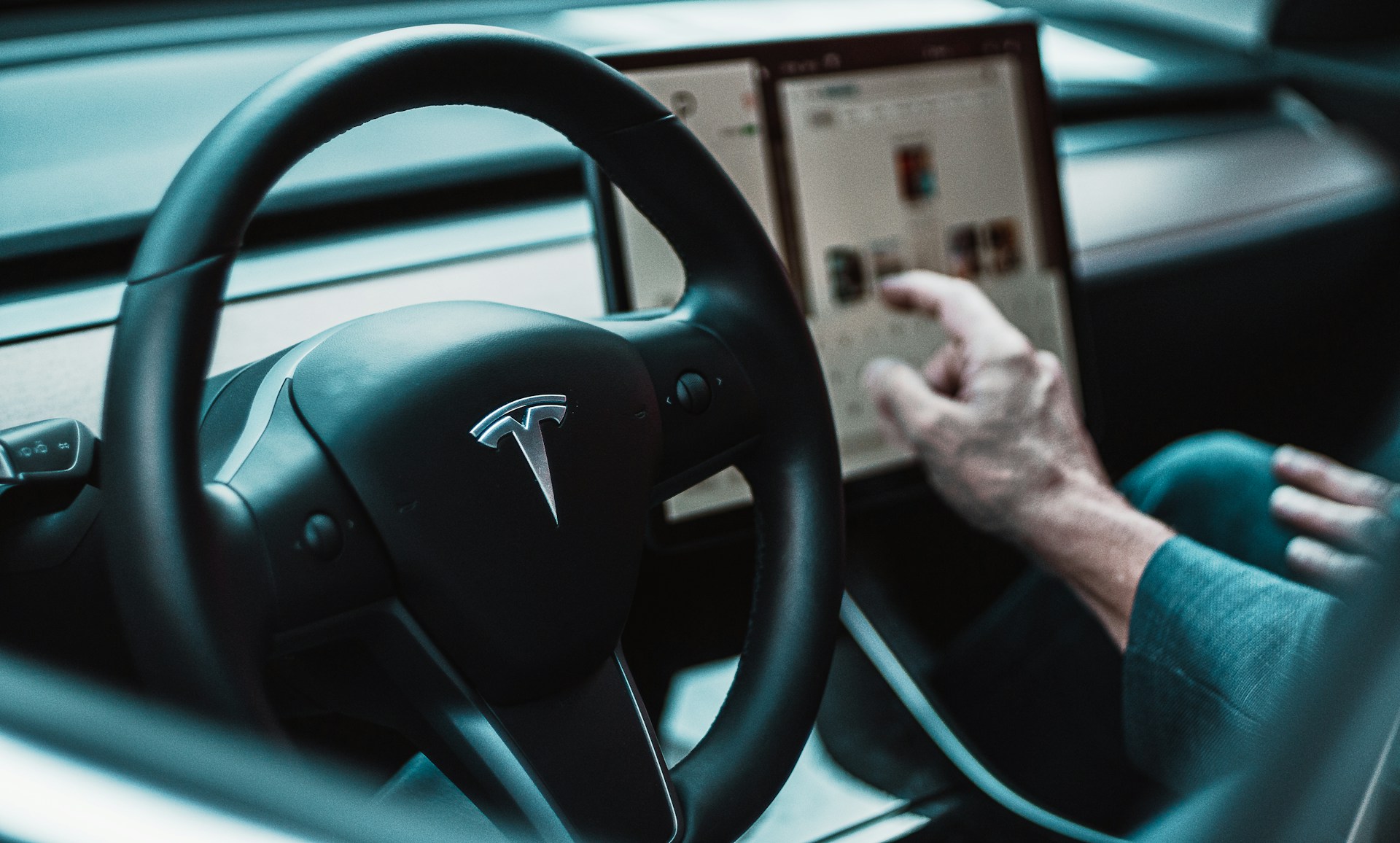
Tesla's ambitions for autonomous driving receive a significant boost as reports surface of the Chinese government endorsing the company's robotaxi trials with Full Self-Driving capabilities. Elon Musk's vision of a global fleet of autonomous vehicles gains traction with official support from Chinese officials, marking a pivotal moment in the evolution of self-driving technology.
Government Endorsement Sparks Excitement
Tesla has secured official funding to test its robotaxi concept with Full Self-Driving (FSD) in China.
According to China Daily, Tesla CEO Elon Musk has proposed testing Full Self-Driving functions in automobiles deployed in the Chinese market. Tesla would use its vehicles as taxis in China. Musk also proposed expanding the program to Chinese cab firms.
Musk has compared Tesla's robotaxi service to a hybrid of Airbnb and Uber. Tesla will operate the robotaxi fleet. Some of the vehicles will be owned by Tesla, and others may be owned by end users, who will be able to add or remove their vehicle from the Tesla robotaxi network at any moment.
End users can also limit the number of consumers who utilize their Tesla as a robotaxi. For example, they might only accept rides from five-star clients, as per Teslarati.
Chinese officials allegedly informed Musk that Tesla was welcome to perform robotaxi tests in China and that it should set a positive example. Industry analysts have remarked that China has continued to invite foreign enterprises to test their innovations for mutual benefit.
Market Potential and Regulatory Landscape
Tesla's full self-driving tests in China would back up Musk's claims at the Q1 2024 earnings call. Musk noted at the time that with country-specific training, FSD could be used anyplace in the world.
“So, think about the end-to-end neural net-based autonomy is that just like a human, it actually works pretty well without modification in almost any market. So, we plan on — with the approval of the regulators, releasing it as a supervised autonomy system in any market that — where we can get regulatory approval for that, which we think includes China. So, yes, it’s — just like a human, you can go rent a car in a foreign country and you can drive pretty well,” Musk said.
“Obviously, if you live in that country, you’ll drive better. And so, we’ll make the car drive better in these other countries with country-specific training. But it can drive quite well almost everywhere,” he added.
Photo: David von Diemar/Unsplash













