


 Trump's Iran War Speech Sparks Market Anxiety Over Extended Conflict
  Rubio Directs U.S. Diplomats to Use X and Military Psyops to Counter Foreign Propaganda
  Trump's NATO Threat Looms as Rutte Plans Washington Visit
  U.S. Senators Challenge FCC Chair Over Nexstar-Tegna Merger Approval
  Coral Springs Vice Mayor Nancy Metayer Bowen Killed in Suspected Domestic Violence Incident
  Trump's Claim That the U.S. Can Cover Global Jet Fuel Shortfall Doesn't Add Up
  FBI Launches Independent Cuba Probe After Deadly Speedboat Shootout
  Trump Administration Plans 100% Tariffs on Pharmaceutical Imports
  Bahamas Calls Snap Election for May 12 Amid Cost of Living Concerns
  Iranian President Pezeshkian Sends Message of Peace to the American People
  U.S. Lifts Sanctions on Venezuelan Interim Leader Delcy Rodriguez Amid Diplomatic Shift
  Trump Threatens NATO Withdrawal Amid Iran Crisis: What U.S. Law Says
  Congress Eyes Two-Bill Strategy to Resolve DHS Funding Crisis
  Mexico's Foreign Minister Juan Ramon de la Fuente Steps Down for Health Reasons; Roberto Velasco Nominated as Successor
  U.S.-Iran War: Rubio Says Finish Line Is Visible as Diplomatic Talks Begin
  Trump Threatens Federal Intervention in Los Angeles Ahead of 2026 World Cup
  Syria Vows Neutrality Amid U.S.-Israeli Conflict With Iran


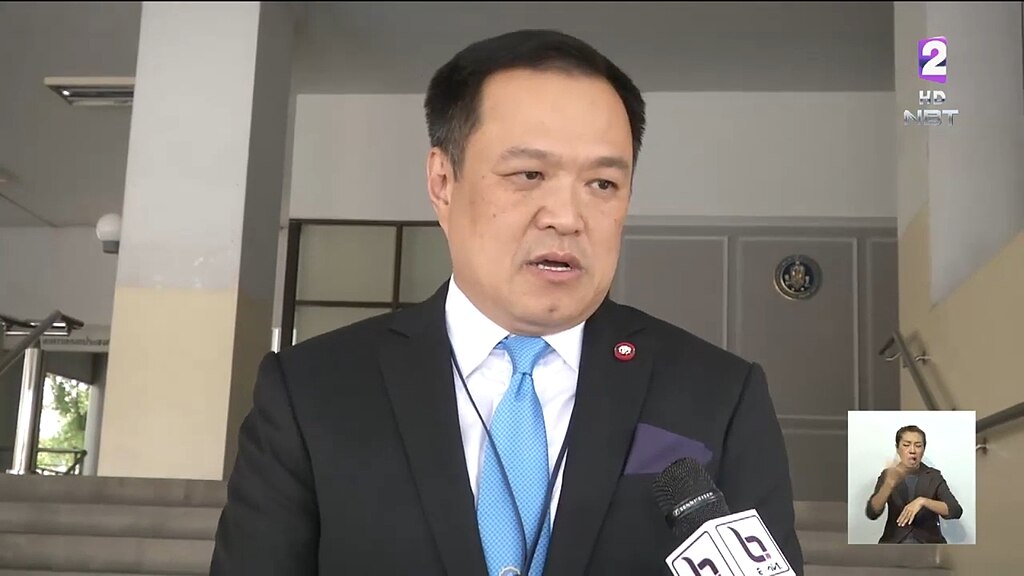
Thailand’s caretaker prime minister Anutin Charnvirakul has vowed to continue military operations along the disputed border with Cambodia, despite claims by U.S. President Donald Trump that a new ceasefire had been brokered between the two Southeast Asian nations. The renewed violence highlights the fragility of peace in a long-running border dispute that has displaced hundreds of thousands of civilians on both sides.
Speaking on Saturday, Anutin said Thailand would “continue to perform military actions until we feel no more harm and threats to our land and people,” underscoring Bangkok’s stance that no formal ceasefire is currently in place. His comments came just hours after Thai fighter jets struck targets along the border, directly contradicting Trump’s announcement that both sides had agreed to halt all shooting following his calls with Thai and Cambodian leaders.
Trump, who previously intervened to stop intense fighting in October, said he had spoken with Anutin and Cambodian Prime Minister Hun Manet, claiming they agreed to “cease all shooting.” However, neither leader confirmed such an agreement publicly. Anutin later emphasized on Facebook that “there has been no agreement on halting anything,” adding that Thailand’s military actions spoke for themselves.
Cambodian leader Hun Manet, meanwhile, said he welcomed a proposal by Malaysian Prime Minister Anwar Ibrahim, the current chair of ASEAN, to halt hostilities starting Saturday evening. Anwar urged both sides to refrain from further military action and announced that an ASEAN observer team, led by Malaysia’s chief of defence forces, would be deployed to monitor the border, with U.S. satellite support assisting oversight efforts.
Fighting has intensified since Monday across multiple points along the 817-kilometer Thailand–Cambodia border, marking some of the heaviest clashes since a brief but violent conflict in July. Thailand suspended a previous ceasefire last month after a Thai soldier was severely injured by a landmine, which Bangkok alleges was newly planted by Cambodian forces, a claim Phnom Penh strongly denies.
According to Thai defense officials, clashes have erupted in seven border provinces, with heavy weapons exchanges forcing Thailand to retaliate. Cambodian authorities accused Thai forces of striking infrastructure and firing artillery from naval vessels. The violence has injured civilians and driven mass displacement, reviving painful memories of past conflicts for many residents who insist the fighting is between governments, not people.







