


 Alcohol is one of the most dangerous drugs, yet its presence is ubiquitous in social settings and celebrations
  CDC Monitors U.S. Travelers After Hantavirus Outbreak on Luxury Cruise Ship
  Should I take zinc or eat oysters to ward off colds, boost my immune system or improve fertility?
  UNAIDS Urges U.S. to Reconsider South Africa HIV Funding Withdrawal
  Supreme Court Blocks 5th Circuit Ruling on Abortion Pill Access
  Takeda Hit With $885M Verdict Over Amitiza Generic Drug Delay Scheme
  Venezuela Earthquake Health Risks Rise as Disease Monitoring Intensifies
  US Tightens Ebola Controls as Congo Outbreak Sparks Global Concern
  NIH Infectious Disease Leadership Shake-Up Raises Concerns Amid Ebola, Hantavirus Outbreaks
  Supreme Court Blocks 5th Circuit Ruling on Abortion Pill Access
  Hantavirus Cruise Ship Outbreak Triggers Global Health Alert
  AstraZeneca Shares Sink After Wainua Trial Misses Key Heart Disease Goal
  White House Seeks $1.4 Billion to Combat Growing Ebola Outbreak


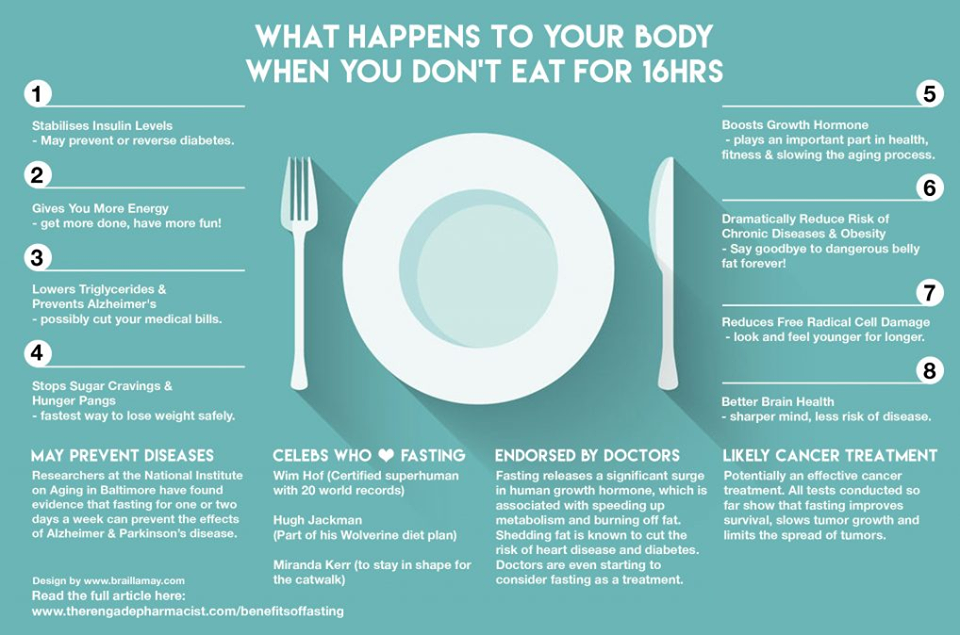
Some diets come and go; they might be extremely popular one moment but fade back into obscurity the next after people start to realize that they’re not as effective as they claim to be. But there’s one diet out there that has been proven by scientists for fighting the aging process, reducing the risk for diabetes, cancer and improving blood pressure levels.
But there’s a catch. To get the health benefits of the diet, one must be willing to not eat anything for as long as 16 to 18 hours each day and eat only within the 6 to 8-hour window.
The diet is known as intermittent fasting. While its unusual eating schedule might take some time getting used to, a study published in The New England Journal of Medicine suggests that the diet is effective not only for weight loss but also for reducing blood pressure and even increasing one’s lifespan, CNN reported.
The study, which is authored by Mark Mattson, a professor of neuroscience at Johns Hopkins University, pointed out that the practice of intermittent fasting is linked to improved cognition, improved cardiovascular health, cancer prevention, and might even led to longer lives. The diet can also improve insulin resistance that some people with type 2 diabetes were able to stop taking insulin.
A previous 2009 study that Mattson co-authored shows that intermittent fasting can increase a person’s resistance to stress. The diet improved neuroplasticity which is the brain’s ability to adapt to situations.
There are basically two categories of intermittent fasting diets, according to Daily Mail. One type can be described as daily time-restricted feeding where one can only eat within a 6 to 8-hour period. The other type is called 5:2 intermittent fasting where one limits eating “one moderate-sized meal two days each week.”
While intermittent fasting has been proven effective, most people would probably find it very hard to stick to the diet. The biggest issue dieters face is that they’ve been trained to eat three complete meals a day and spread this eating throughout their entire waking hours.
Some suggested that people should not force their bodies to immediately follow intermittent fasting eating pattern or they’ll likely quit before seeing results. Perhaps a four-month transition period would be best, to allow the body to gradually adjust and ease itself to the new eating plan.







