


 Makemation: a Nollywood movie that shows AI in action in Africa
  Meta and Google just lost a landmark social media addiction case. A tech law expert explains the fallout
  Private Credit Under Pressure: Is a Slow-Motion Crisis Unfolding?
  Britain Courts Anthropic Amid US Defense Department Dispute
  MATCH Act Targets ASML and Chinese Chipmakers in New U.S. Export Crackdown
  SpaceX IPO: Retail Investors to Play Historic Role in Record-Breaking Public Offering
  OpenAI Executive Shake-Up Ahead of Anticipated 2026 IPO
  LG Electronics Posts Record Q1 Revenue Amid Strong Demand and Cost Improvements
  Samsung Electronics Eyes Record Q1 Profit Amid AI-Driven Chip Boom
  Fonterra Admits Anchor Butter "Grass-Fed" Label Misled Consumers After Greenpeace Lawsuit
  UPS and Teamsters Reach Agreement to Limit Driver Severance Program
  Apple's Foldable iPhone Faces Engineering Setbacks, Mass Production Timeline at Risk
  Pershing Square Bids €30.40 Per Share to Acquire Universal Music Group in $9.4B Deal
  NASA Artemis II: First Crewed Moon Mission Since Apollo Takes Four Astronauts on 10-Day Lunar Journey
  Apple Turns 50: From Garage Startup to AI Crossroads
  Nanya Technology Shares Surge 10% After $2.5 Billion Private Placement from Sandisk and Cisco


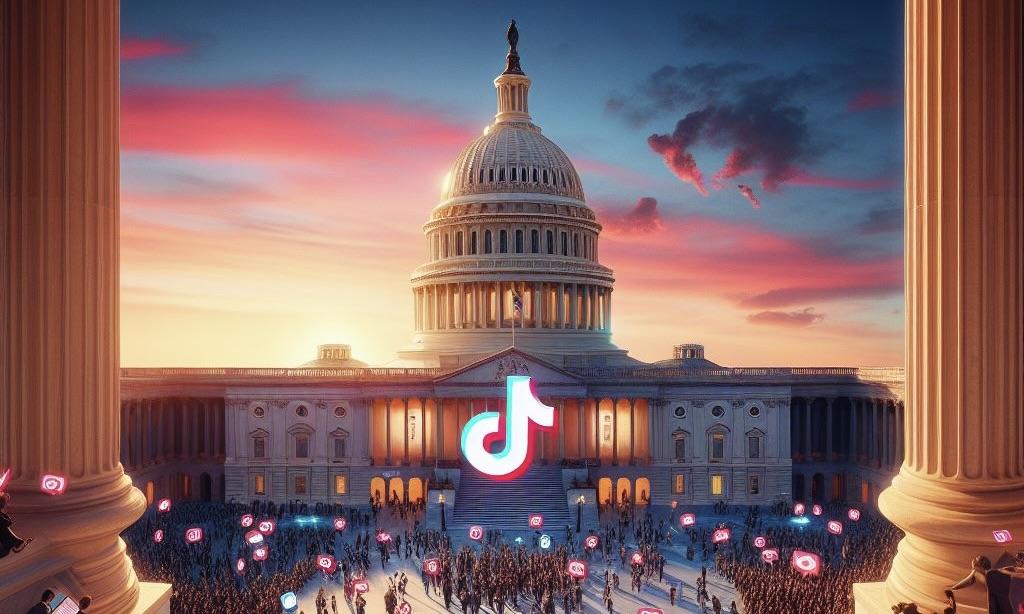
TikTok's possible ban in the United States is moving fast. The U.S. House of Representatives is now scheduled to vote on the recent crackdown bill filed by some lawmakers. The vote will be about legislation putting ByteDance in a tight spot.
This is because the "Protecting Americans from Foreign Adversary Controlled Applications Act" bill will force ByteDance to sell TikTok. If the Chinese internet technology company fails to comply with the divestiture order, the popular short-form video hosting service will be blocked in the U.S.
Voting for the Bill
The House of Representatives will step up the voting next week on the bill that will give TikTok's parent company just six months to sell its popular app. The House Members will vote this week after a committee unanimously approved the bill, as per Reuters.
It was added that the Energy and Commerce Committee's 50-0 vote results were the most critical instigation for the lawmakers to go after TikTok, which has an estimated user base of 170 million in the country. This would be the first time the app faced a potential ban since former President Donald Trump failed to eradicate it in 2020.
At the voting next week, House Majority Leader Steve Scalise revealed on social media that most of the House members are expected to vote for the bill to force TikTok to cut its alleged ties with the Chinese Communist Party.
About the Protecting Americans from Foreign Adversary Controlled Applications Act
CBS News reported that previous proposals to ban TikTok either stalled or encountered legal issues, but this time, the latest push appears to be gaining steam among legislators and in the White House.
The Protecting Americans from Foreign Adversary Controlled Applications Act is a 12-page decree that seeks to protect the country's national security from threats from applications like TikTok, which are believed to be controlled by foreign adversaries. If successfully signed into law, any apps developed by ByteDance and its subsidiaries would not be allowed to be distributed in the territory.
Photo by: Microsoft Bing







