


 TrumpRx.gov Highlights GLP-1 Drug Discounts but Offers Limited Savings for Most Americans
  Trump Allows Commercial Fishing in Protected New England Waters
  Ohio Man Indicted for Alleged Threat Against Vice President JD Vance, Faces Additional Federal Charges
  Pentagon Ends Military Education Programs With Harvard University
  China Warns US Arms Sales to Taiwan Could Disrupt Trump’s Planned Visit
  Iran–U.S. Nuclear Talks in Oman Face Major Hurdles Amid Rising Regional Tensions
  Trump Signs “America First Arms Transfer Strategy” to Prioritize U.S. Weapons Sales
  Norway Opens Corruption Probe Into Former PM and Nobel Committee Chair Thorbjoern Jagland Over Epstein Links
  Trump Allegedly Sought Airport, Penn Station Renaming in Exchange for Hudson River Tunnel Funding
  Trump Lifts 25% Tariff on Indian Goods in Strategic U.S.–India Trade and Energy Deal
  U.S. Lawmakers to Review Unredacted Jeffrey Epstein DOJ Files Starting Monday
  Nighttime Shelling Causes Serious Damage in Russia’s Belgorod Region Near Ukraine Border
  Netanyahu to Meet Trump in Washington as Iran Nuclear Talks Intensify
  U.S. to Begin Paying UN Dues as Financial Crisis Spurs Push for Reforms
  U.S.-India Trade Framework Signals Major Shift in Tariffs, Energy, and Supply Chains
  Trump Backs Nexstar–Tegna Merger Amid Shifting U.S. Media Landscape


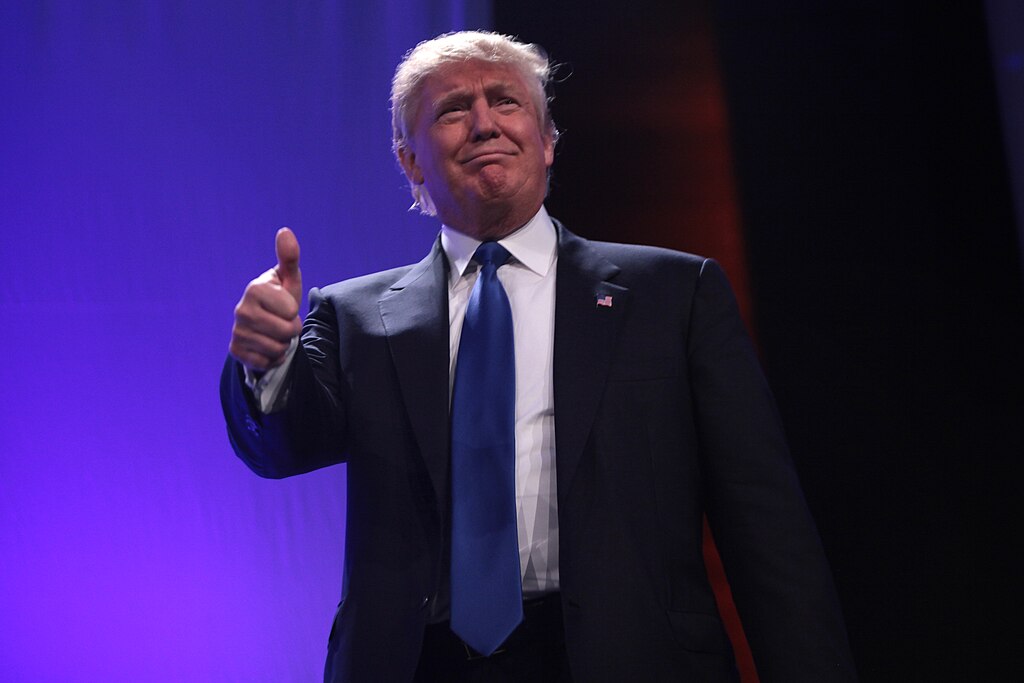
U.S. President Donald Trump admitted on Friday that tariffs could lead to higher costs for consumers but maintained his stance on imposing them despite potential short-term disruptions. Speaking from the Oval Office, Trump acknowledged that tariffs sometimes pass costs onto consumers but insisted they are necessary for long-term economic benefits.
His remarks come ahead of his planned tariff imposition on February 1, a move that has sparked concerns in financial markets. However, Trump dismissed market reactions, stating he was not worried about short-term fluctuations.
Trump has consistently advocated tariffs as a tool to protect American industries and reduce trade imbalances. His latest comments reflect a rare acknowledgment of the immediate financial impact on consumers, though he emphasized the broader economic gains.
The financial markets have responded cautiously to his tariff strategy, with investors closely monitoring its effects on global trade. Despite concerns, Trump remains firm in his commitment, arguing that the tariffs will ultimately strengthen the U.S. economy.
As the February 1 deadline approaches, businesses and consumers alike are preparing for potential price shifts. While critics warn of inflationary pressures, Trump and his administration argue that the move is a necessary step toward fairer trade practices.













