


 Solidigm Taps Goldman, Morgan Stanley for $10 Billion US IPO
  DogecoinVM Makes DOGE Transactions 300x Faster
  Trump Plans Diesel Tax Relief as Fuel Prices Hit Record Highs
  France to Release 10 Million Barrels of Diesel to Ease Fuel Prices
  TikTok Accused of Testing Fake Safety Tools on Users
  Illinois Delays Crypto Tax Law Until July 2027
  JPMorgan CEO Jamie Dimon Warns Mythos AI Raises Cyber Risk Tenfold
  Broadcom, Oracle and SpaceX Seek Billions in Private Debt for AI Expansion
  LG Electronics Shares Slide as Q3 Profit Misses Estimates
  Elon Musk Accuses Indian Telecom Giants of Blocking Starlink Launch
  Trump Rallies in Texas as Republicans Face Tight Midterm Races
  US Conducts Non-Nuclear Explosion Test to Boost Nuclear Detection
  OpenAI, Anthropic Back Mandatory AI Breach Reporting in Australia
  Iran Refuses to Halt Uranium Enrichment Amid US Nuclear Demands
  Hegseth Praises USS Abraham Lincoln Crew After Record Iran War Deployment
  Italy Approves Electoral Reform Ahead of 2027 Election
  US Suspends Microsoft, Adobe From Green Card Program


 Add as a preferred source on Google
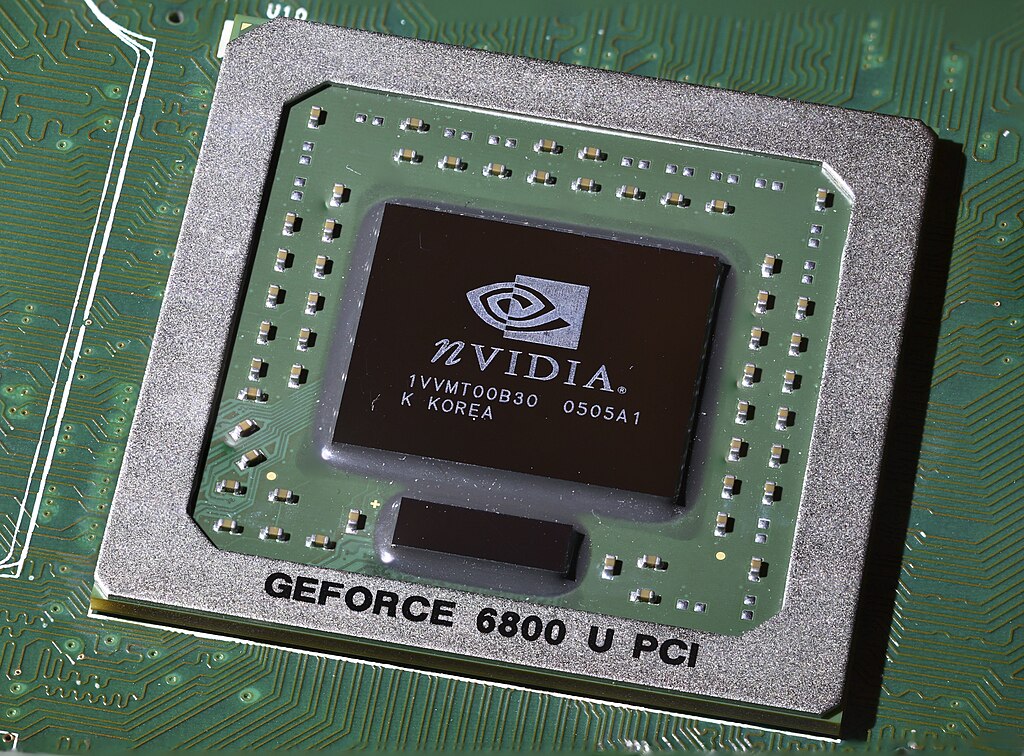
The Trump administration has officially approved the sale of Nvidia’s H200 artificial intelligence chips to China, marking a major shift in U.S. export policy and reigniting debate over national security and global AI competition. The decision allows shipments of Nvidia’s second most powerful AI chips to Chinese customers, but only under newly established regulatory conditions designed to limit potential risks.
Under the new rules, all China-bound H200 chips must undergo review by a third-party testing laboratory to verify their AI capabilities before export approval. Additionally, China will be restricted to receiving no more than 50% of the total number of H200 chips sold to U.S. customers. Nvidia is also required to certify that sufficient chip supply remains available within the United States, while Chinese buyers must demonstrate adequate security safeguards and formally commit to not using the chips for military or defense-related purposes. These conditions had not existed in earlier export frameworks.
The announcement follows President Donald Trump’s statement last month that the U.S. would allow the chip exports in exchange for a 25% fee paid to the federal government. The move drew criticism from lawmakers and national security experts who argue that advanced AI chips like the H200 could significantly enhance China’s military and artificial intelligence capabilities, potentially narrowing the U.S. technological edge.
Industry analysts note that while the export caps appear to be a compromise, enforcing them may prove difficult. Chinese companies have reportedly placed orders for more than two million H200 chips, far exceeding Nvidia’s current inventory of approximately 700,000 units. Each chip is priced around $27,000, highlighting the scale of demand and the financial stakes involved.
Nvidia CEO Jensen Huang recently stated that production of H200 chips is ramping up amid strong global demand, including from China, which has driven up cloud computing rental prices for the chips. Supporters within the administration argue that allowing controlled exports could discourage Chinese firms, such as Huawei, from accelerating development of rival advanced chip technologies.
Despite assurances that the exports will proceed under conditions that protect U.S. national security, questions remain about enforcement, long-term policy consistency, and whether China will impose its own restrictions on domestic use. The decision underscores the growing tension between economic interests, AI leadership, and geopolitical strategy in the global semiconductor market.







