


 ICC Rules Duterte Fit to Stand Trial in Drug War Case
  UK Warned Over Growing Reliance on US Cloud Providers
  US Conducts Non-Nuclear Explosion Test to Boost Nuclear Detection
  Trump Says He Deserves 2026 Nobel Peace Prize Despite Uncertain Chances
  Hegseth Praises USS Abraham Lincoln Crew After Record Iran War Deployment
  Australia Probes Flydubai Co-Pilot’s Links After FZ1073 Hijack Attempt
  Pentagon Orders Iran Strike Preparations as Trump Weighs Military Action
  US Pressures Allies to Distance From Anti-Disinformation Conference
  US Grants Aurora Five-Year Exemption for Self-Driving Trucks
  Marco Rubio Warns Russia-Ukraine War Could Spark Wider Conflict
  Maduro, Wife May Face New US Torture Charges
  Illinois Delays Crypto Tax Law Until July 2027
  Crypto Rallies as CLARITY Act Failure Opens Door to Faster SEC Rules
  Saudi Airport Attacks Kill Three as Yemen Fighting Escalates
  San Francisco Halts New Data Center Construction With 45-Day Moratorium
  Trump Buys Up to $25M in Meta Stock, Invests in SpaceX Debt


 Add as a preferred source on Google
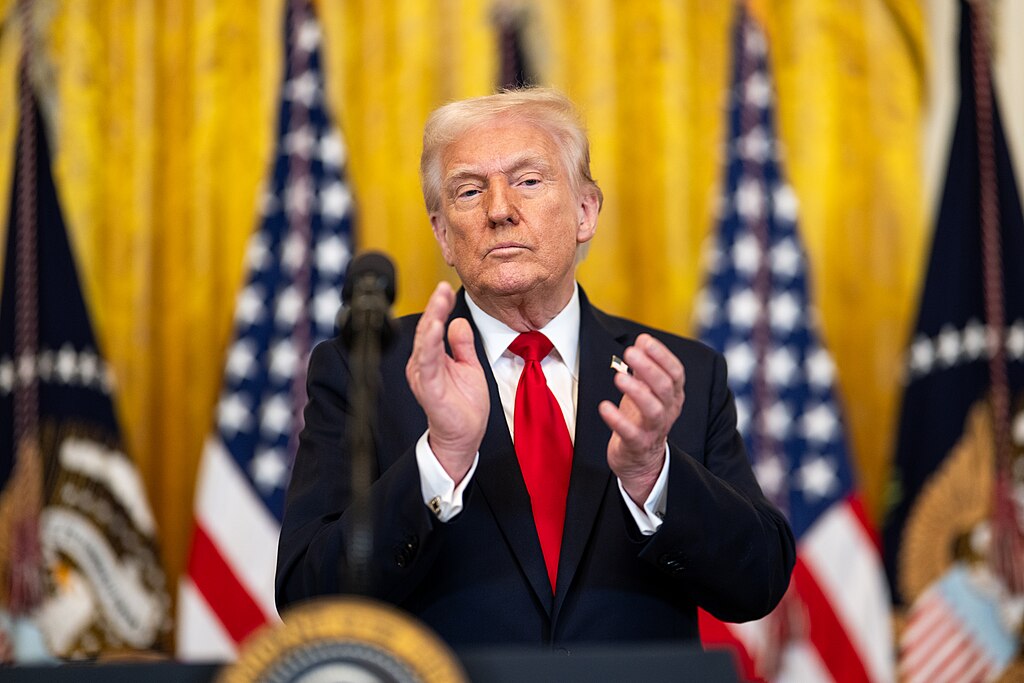
The Trump administration has announced a freeze on certain federal child care and family assistance funds for five U.S. states—California, Colorado, Illinois, Minnesota, and New York—citing serious concerns about fraud and misuse within state-administered programs. The decision was confirmed Tuesday by the U.S. Department of Health and Human Services (HHS) and has sparked widespread debate over accountability, oversight, and the potential impact on families who rely on these programs.
According to HHS officials, the funding pause affects specific streams of federal assistance tied to child care and family support services. The agency stated that reviews and audits raised red flags suggesting that some funds may not have been used in accordance with federal guidelines. As a result, the Trump administration moved to temporarily halt disbursements while further investigations are conducted to ensure taxpayer dollars are properly managed.
The affected states are among the largest recipients of federal child care funding, supporting millions of low- and middle-income families. State leaders have pushed back against the decision, arguing that a funding freeze could disrupt essential services, including child care subsidies, early education support, and family assistance programs. They also maintain that existing safeguards are in place to prevent fraud and misuse, and that any issues should be addressed without penalizing families.
From the federal government’s perspective, the move reflects a broader emphasis on financial oversight and program integrity. Officials stressed that the freeze is not intended to permanently eliminate funding but to compel stronger compliance and transparency in how federal child care and family assistance funds are administered at the state level.
The funding freeze has drawn attention from policy experts, advocacy groups, and parents, many of whom worry about short-term disruptions and long-term uncertainty. As discussions continue between federal and state authorities, the outcome could shape future oversight of child care funding nationwide and set a precedent for how fraud concerns are handled in federally supported social programs.







