


 Florida Seeks Tougher Meta Rules to Protect Young Users
  OpenAI Annualized Revenue Hits $50 Billion, Below Earlier Estimates
  US, EU Push for Action Against Asia’s Excess Factory Capacity
  CFTC Moves to Set New Crypto Rules After CLARITY Act Failure
  EU Gives Crypto Platforms Three Months to Remove USDT Under MiCA Rules
  Apple Names Steve Smith M&A Chief in Leadership Shakeup
  US Suspends Microsoft, Adobe From Green Card Program
  Marvell Stock Surges on $90 Billion AI Revenue Outlook
  San Francisco Halts New Data Center Construction With 45-Day Moratorium
  Anthropic Launches Claude Dashboards and Motion AI Tools
  Hegseth Praises USS Abraham Lincoln Crew After Record Iran War Deployment
  OpenAI, Anthropic Back Mandatory AI Breach Reporting in Australia
  US Waives $320M Egypt Military Aid Conditions After Iran War Role
  Elon Musk Accuses Indian Telecom Giants of Blocking Starlink Launch
  Illinois Delays Crypto Tax Law Until July 2027
  Circle Stock Falls 4% as Crypto Selloff Overshadows SAP Pay Expansion


 Add as a preferred source on Google
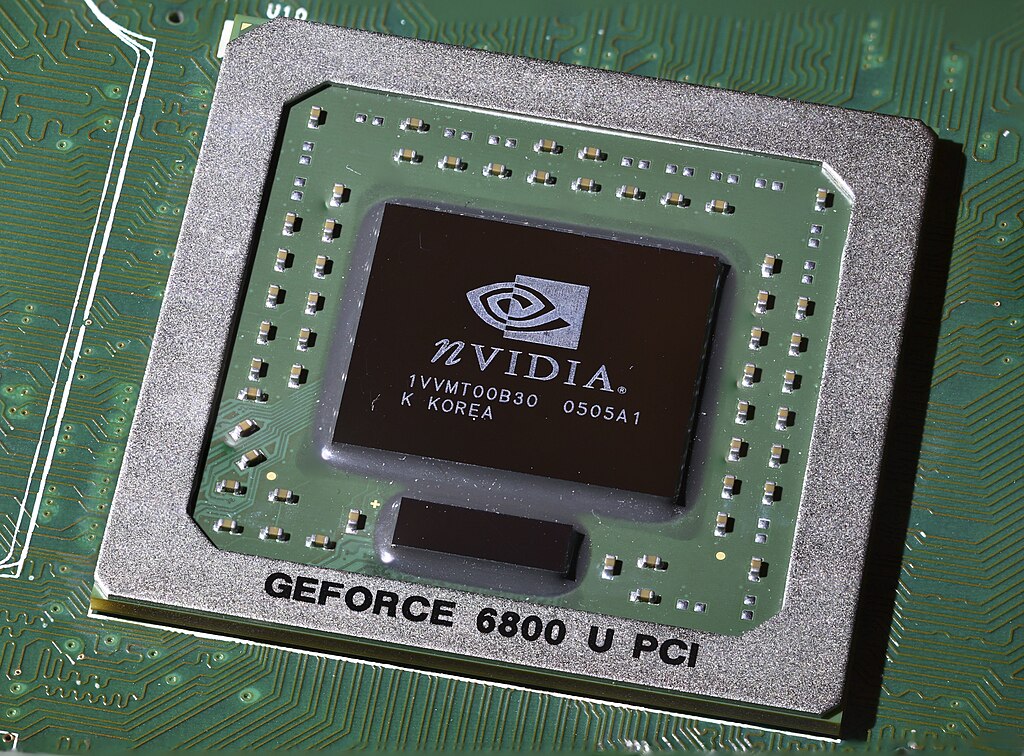
The U.S. government under President Donald Trump has launched a formal review that could pave the way for the first-ever shipments of Nvidia’s H200 artificial intelligence chips to China, according to multiple sources familiar with the process. The move follows Trump’s recent pledge to allow sales of the advanced AI chips, signaling a significant shift in U.S. export controls and technology policy toward China.
The review is being led by the U.S. Commerce Department, which has circulated export license applications to the Departments of State, Defense, and Energy. Under existing export regulations, those agencies have up to 30 days to provide feedback before a final decision is made. While the inter-agency review is described as thorough, the ultimate authority rests with President Trump.
Trump has argued that permitting sales of Nvidia’s H200 chips—while imposing a 25% government fee—would strengthen U.S. technological leadership by keeping American firms ahead of Chinese competitors. He has also claimed that access to U.S. chips could reduce demand for domestically produced Chinese alternatives, such as those developed by Huawei.
The proposal has sparked intense criticism from lawmakers and national security experts across party lines. Critics warn that exporting advanced AI chips to China could enhance Beijing’s military capabilities and undermine the United States’ strategic advantage in artificial intelligence. Former Biden administration officials have described the policy as a serious national security risk, emphasizing that access to high-performance AI hardware remains a critical constraint for China.
The Trump administration’s stance represents a sharp reversal from the Biden-era restrictions, which broadly banned advanced AI chip exports to China and to countries suspected of serving as transshipment hubs. It also contrasts with Trump’s own first-term policies, when he aggressively limited Chinese access to U.S. technology over intellectual property and security concerns.
Meanwhile, Nvidia has reportedly seen strong interest from Chinese buyers, prompting considerations to increase production of the H200 chips. Although less powerful than Nvidia’s latest Blackwell chips, the H200 remains widely used in the global AI industry and has never previously been approved for sale in China.







