


 US Dollar Hits 18-Month High as Fed Signals More Rate Hikes
  France to Release 10 Million Barrels of Diesel to Ease Fuel Prices
  SEC Investor Reform Validates Barry Silbert’s Tokenization Vision
  New York Declares Measles Disaster Emergency as Cases Surge
  Oil Prices Rise as Hormuz Attacks Fuel Supply Fears
  ICC Rules Duterte Fit to Stand Trial in Drug War Case
  Oil Prices Rise as Hormuz Risks Offset IEA Stock Release
  Italy Approves Electoral Reform Ahead of 2027 Election
  US, Greece Launch New Counterterrorism Security Program
  Trump Opens Tax-Exempt Dyed Diesel Access as Fuel Prices Surge
  Trump Weighs FBI Probe Into Nolan Wells’ Death
  Pentagon Orders Iran Strike Preparations as Trump Weighs Military Action
  Gold Prices Rise as Dollar Weakens, Treasury Yields Ease
  US Grants Aurora Five-Year Exemption for Self-Driving Trucks
  Tsai Warns of China’s Sustained Pressure on Taiwan
  US Pressures Allies to Distance From Anti-Disinformation Conference
  RBI Raises Repo Rate to 5.50% in Hawkish Shift on Inflation Risks


 Add as a preferred source on Google
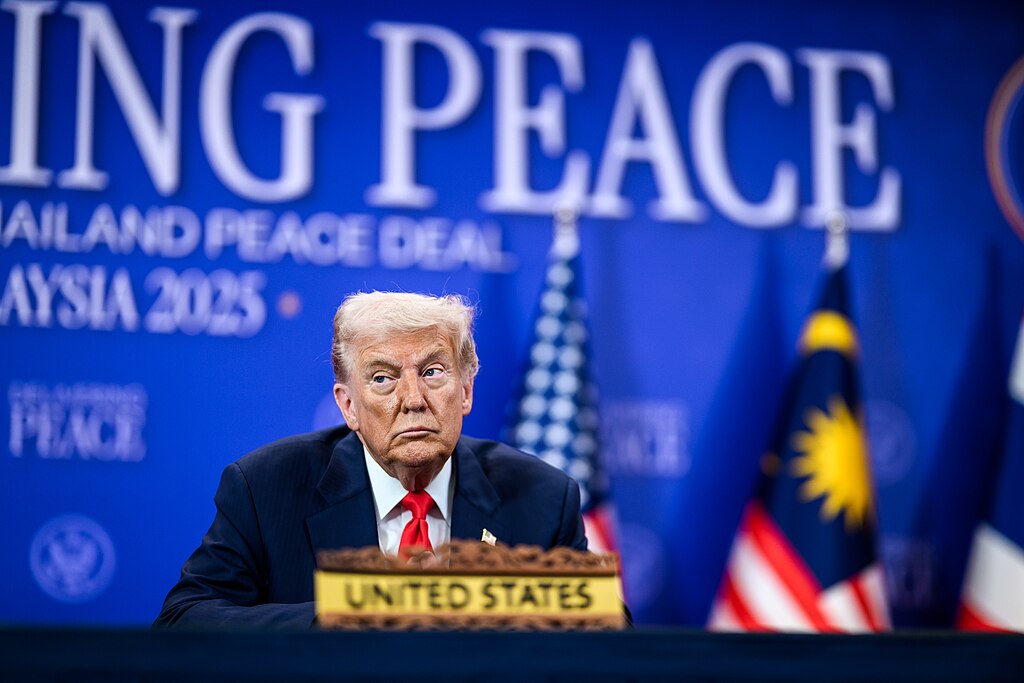
U.S. President Donald Trump announced on Monday that the United States will impose a sweeping 25% tariff on any country that continues to do business with Iran, significantly escalating Washington’s economic pressure on Tehran and its global trade partners. The statement, made via Trump’s Truth Social account, underscores a hardline approach toward Iran and signals potential disruptions to international trade relationships involving the U.S. market.
According to Trump, the new tariff policy takes effect immediately and applies broadly to “any and all business” conducted between the United States and countries that maintain commercial ties with the Islamic Republic of Iran. He emphasized the firmness of the decision, stating that the order is “final and conclusive,” leaving little room for negotiation or exemptions. The announcement was later reported by Reuters, drawing swift attention from global markets, policymakers, and international businesses.
This move aligns with Trump’s long-standing strategy of using tariffs and economic sanctions as tools of foreign policy, particularly toward Iran. During his presidency, Trump withdrew the U.S. from the Iran nuclear deal and reimposed strict sanctions aimed at curbing Iran’s oil exports and limiting its access to global financial systems. The latest tariff threat expands that pressure beyond Iran itself, targeting third-party countries and companies that engage in trade with Tehran.
The potential impact of the 25% tariff could be far-reaching. Countries that rely heavily on trade with both the United States and Iran may face difficult strategic choices, while multinational corporations could see higher costs, disrupted supply chains, and increased regulatory uncertainty. Analysts note that such tariffs could also provoke retaliatory measures, potentially intensifying global trade tensions.
From an economic standpoint, the announcement may influence currency markets, commodity prices, and investor sentiment, particularly in sectors linked to energy, manufacturing, and international trade. As businesses and governments assess their exposure, Trump’s declaration adds another layer of complexity to an already volatile geopolitical and economic landscape.
The coming days are likely to bring further clarification, reactions from affected countries, and responses from global markets as the implications of the proposed U.S. tariff policy continue to unfold.







