


 France to Release 10 Million Barrels of Diesel to Ease Fuel Prices
  Gold Prices Rise as Hormuz Tensions Fuel Inflation Risks
  Gold Prices Fall as Fed Signals Another Rate Hike
  SEC Investor Reform Validates Barry Silbert’s Tokenization Vision
  US Conducts Non-Nuclear Explosion Test to Boost Nuclear Detection
  Pentagon Orders Iran Strike Preparations as Trump Weighs Military Action
  US DOT Ends Airline Privacy Review Without Enforcement
  ICC Rules Duterte Fit to Stand Trial in Drug War Case
  Gold Prices Fall as Stronger Dollar Weighs on Bullion
  US, EU Push for Action Against Asia’s Excess Factory Capacity
  EU Rejects Italy, Greece Calls for Fiscal Rule Flexibility
  Israel Tightens Pilot Security After Flydubai Incident
  Crypto Market Selloff Wipes Out $100B as Bitcoin Falls Below $83K
  Iran Refuses to Halt Uranium Enrichment Amid US Nuclear Demands
  Trump Rallies in Texas as Republicans Face Tight Midterm Races
  US-Taiwan Ties Remain Strong as Taipei Urges Timely Arms Deliveries
  Mexico Bars Dual Citizens From Presidential Races Starting in 2028


 Add as a preferred source on Google
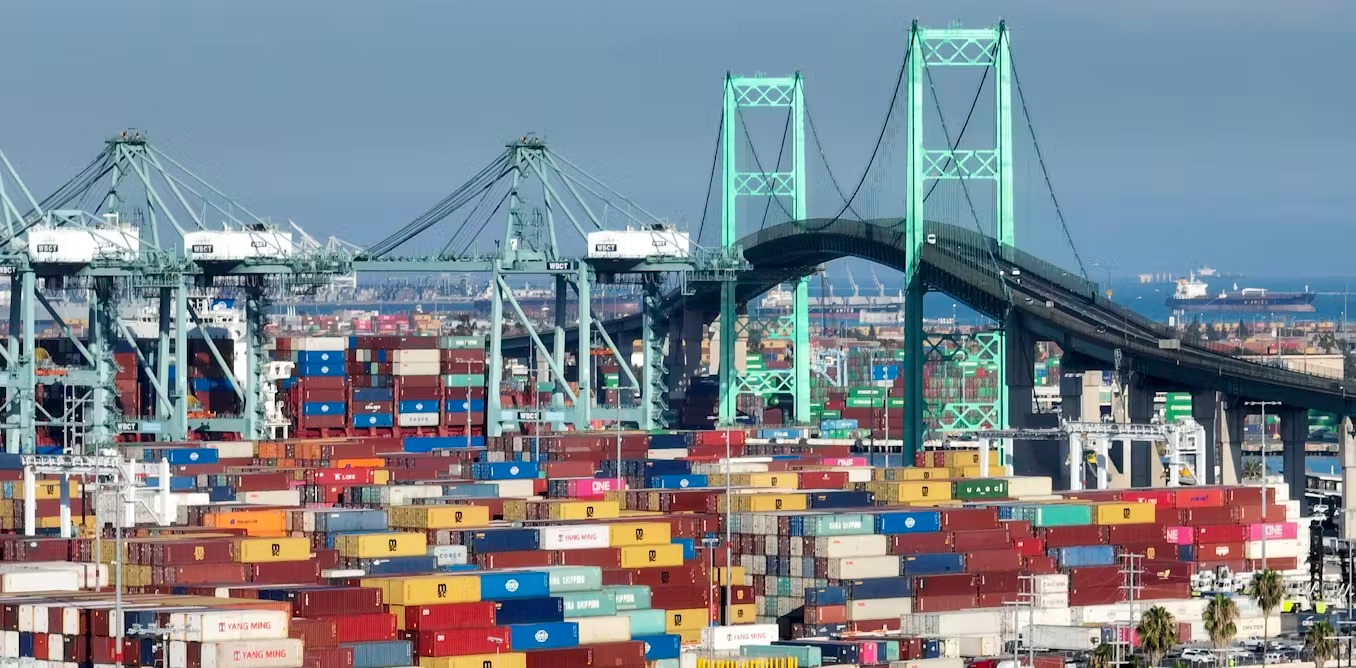
U.S. President Donald Trump has unveiled a new round of steep tariffs on a wide range of imported goods, sparking concerns about inflation and international trade relations. Beginning October 1, the U.S. will impose 100% tariffs on branded and patented pharmaceutical imports, 25% tariffs on heavy-duty trucks, 50% tariffs on kitchen cabinets and bathroom vanities, and 30% tariffs on upholstered furniture.
Trump argued the measures are needed to protect American industries from what he called “flooding” of foreign products. He emphasized that the new pharmaceutical tariffs will not apply to companies already building manufacturing facilities in the U.S. The administration framed the truck tariffs as essential for safeguarding domestic manufacturers like Peterbilt, Kenworth, and Freightliner, while countering growing competition from Mexico, Canada, Japan, and Europe.
Industry groups, however, are pushing back. The Pharmaceutical Research and Manufacturers of America warned that the policy could disrupt supply chains, noting that over half of U.S. medicine ingredients are already produced domestically, with the remainder coming from allies in Europe and beyond. Similarly, the U.S. Chamber of Commerce criticized the truck tariffs, pointing out that Mexico—America’s largest source of medium- and heavy-duty trucks—has deeply integrated supply chains with U.S. companies. Many of these trucks already contain 50% U.S.-made components.
Mexico, home to 14 truck and bus manufacturers, strongly opposed the move, stressing its role as the leading exporter of tractor trucks globally, with 95% of exports heading to the U.S. The Japanese Automobile Manufacturers Association also voiced opposition, highlighting that Japanese companies have already shifted much of their truck production to U.S. facilities.
Critics warn the tariffs may drive up transportation costs, undermining Trump’s pledge to fight inflation. The policies could also affect automakers like Stellantis, which builds Ram trucks in Mexico, and Volvo Group, which is investing $700 million in a new truck plant in Monterrey. With tariffs set to take effect next month, global trade tensions and inflation concerns are expected to intensify.







