


 Trump Claims Iran Sought Ceasefire as Middle East War Escalates
  Microsoft's $10 Billion Japan Investment: AI Infrastructure and Data Sovereignty Push
  Trump Administration Sues Three States Over Prediction Market Regulations
  Trump Threatens NATO Withdrawal Amid Iran Crisis: What U.S. Law Says
  Coral Springs Vice Mayor Nancy Metayer Bowen Killed in Suspected Domestic Violence Incident
  Trump Threatens Escalation Against Iran, Warns of Infrastructure Strikes
  Trump Defends U.S.-Israel War on Iran in Prime-Time Address as Public Support Wanes
  Congress Eyes Two-Bill Strategy to Resolve DHS Funding Crisis
  Trump Administration Shakeup: Kash Patel, Daniel Driscoll, and Lori Chavez-DeRemer May Exit Cabinet
  U.S. Strikes on Iran Draw War Crimes Warnings from International Law Scholars
  Federal Judge Rules CBP Violated Warrantless Arrest Order During Sacramento Immigration Sweep
  Cuba Announces Release of Over 2,000 Prisoners in Second Amnesty of 2025
  Trump Expands Tariffs on Pharmaceuticals and Metals One Year After Liberation Day
  Trump's Claim That the U.S. Can Cover Global Jet Fuel Shortfall Doesn't Add Up
  Australia's Social Media Ban for Under-16s Sparks Global Movement
  Bahamas Calls Snap Election for May 12 Amid Cost of Living Concerns


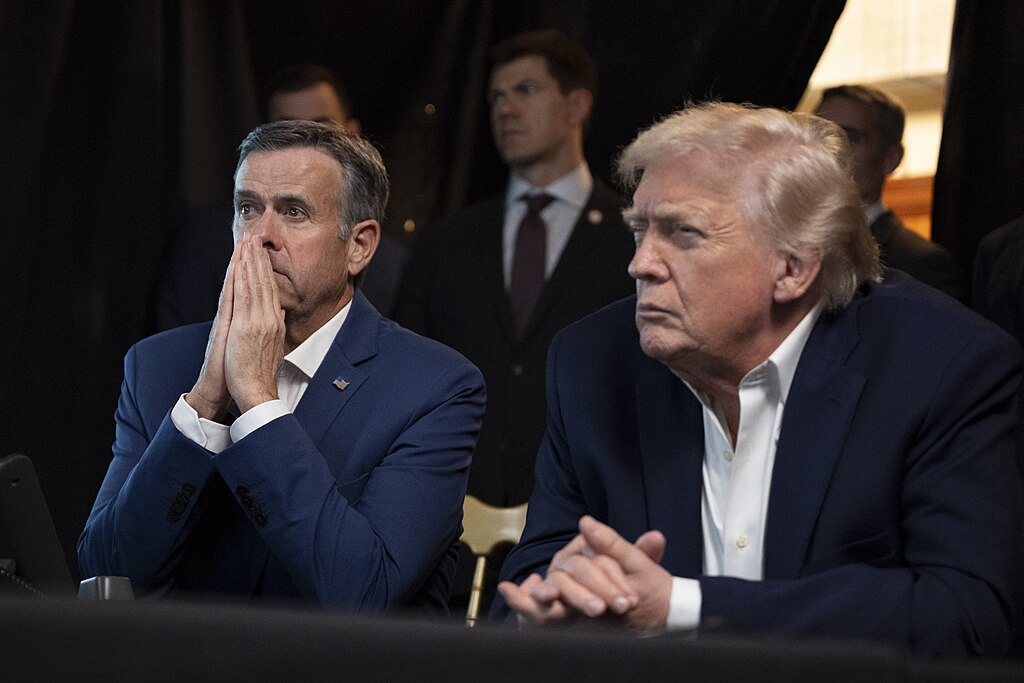
President Donald Trump escalated his military rhetoric against Iran late Thursday in a Truth Social post, warning that U.S. forces could begin striking critical infrastructure — including bridges and electrical power plants — if Tehran does not act swiftly to meet Washington's demands.
"Our Military… hasn't even started destroying what's left in Iran. Bridges next, then Electric Power Plants," Trump wrote, adding that Iran's new leadership "knows what has to be done… FAST." The statement signals a significant hardening of the U.S. position following recent strikes already carried out against Iranian infrastructure, including the destruction of a major bridge.
Trump also declared during a Thursday speech that the United States would hit Iran "extremely hard" in the coming weeks, while simultaneously suggesting that military objectives were "nearing completion." The mixed messaging points to mounting pressure on Tehran to make rapid political concessions rather than sustain prolonged military conflict.
The threats are directly tied to ongoing geopolitical demands from Washington, particularly the reopening of the Strait of Hormuz — a critical global shipping lane through which a significant portion of the world's oil supply flows. Any disruption to this corridor has the potential to trigger sharp increases in energy prices and rattle international markets.
Analysts warn that deliberately targeting civilian infrastructure such as power grids could dramatically widen the scope of the conflict, raise serious humanitarian concerns, and invite broader international condemnation. The potential disruption of Iran's energy systems would not only affect domestic civilians but could also send shockwaves through regional energy supplies with far-reaching global economic consequences.
As tensions between Washington and Tehran continue to intensify, markets, energy sectors, and foreign governments are closely watching for Iran's next move and whether diplomatic channels remain a viable path forward.







