


 U.S.-India Trade Framework Signals Major Shift in Tariffs, Energy, and Supply Chains
  US Pushes Ukraine-Russia Peace Talks Before Summer Amid Escalating Attacks
  U.S. to Begin Paying UN Dues as Financial Crisis Spurs Push for Reforms
  Missouri Judge Dismisses Lawsuit Challenging Starbucks’ Diversity and Inclusion Policies
  Japan Election 2026: Sanae Takaichi Poised for Landslide Win Despite Record Snowfall
  Nighttime Shelling Causes Serious Damage in Russia’s Belgorod Region Near Ukraine Border
  U.S. Lawmakers to Review Unredacted Jeffrey Epstein DOJ Files Starting Monday
  Netanyahu to Meet Trump in Washington as Iran Nuclear Talks Intensify
  U.S. Announces Additional $6 Million in Humanitarian Aid to Cuba Amid Oil Sanctions and Fuel Shortages
  Trump’s Inflation Claims Clash With Voters’ Cost-of-Living Reality
  Norway Opens Corruption Probe Into Former PM and Nobel Committee Chair Thorbjoern Jagland Over Epstein Links
  Trump Endorses Japan’s Sanae Takaichi Ahead of Crucial Election Amid Market and China Tensions
  Trump Lifts 25% Tariff on Indian Goods in Strategic U.S.–India Trade and Energy Deal
  Jack Lang Resigns as Head of Arab World Institute Amid Epstein Controversy
  TrumpRx.gov Highlights GLP-1 Drug Discounts but Offers Limited Savings for Most Americans
  Ohio Man Indicted for Alleged Threat Against Vice President JD Vance, Faces Additional Federal Charges
  New York Legalizes Medical Aid in Dying for Terminally Ill Patients


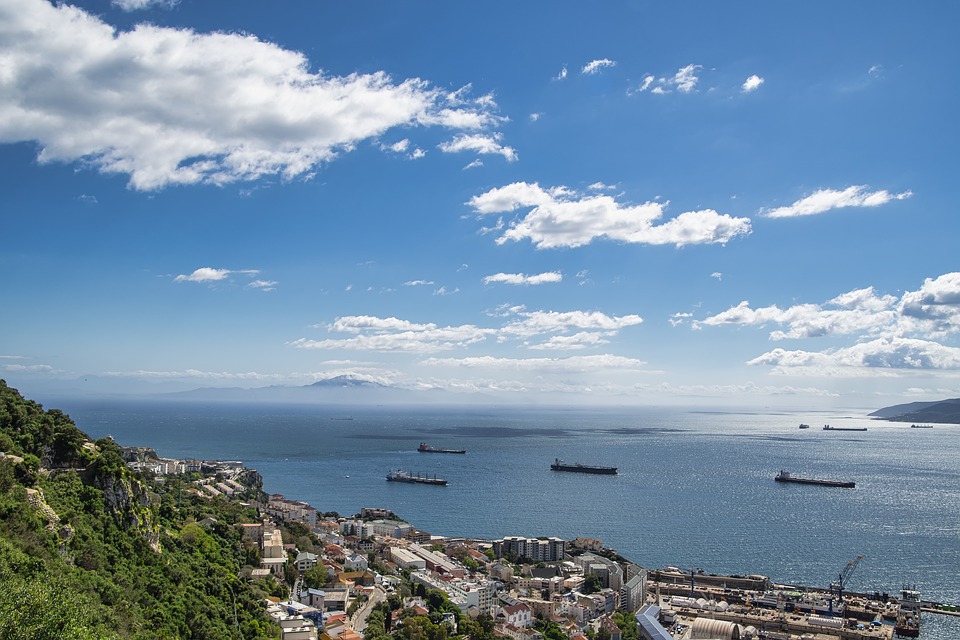
This week, in a long-overdue addition, Gibraltar was officially recognized as a British city. The addition of Gibraltar as one of the United Kingdom’s official cites came after 180 years when its status was often overlooked.
Gibraltar was finally added to the UK’s list of official cities Monday after 180 years. Outgoing British Prime Minister Boris Johnson praised the addition after the overseas territory made a bid to become a city this year as part of Queen Elizabeth’s Platinum Jubilee celebrations.
However, the country’s National Archives found that Gibraltar had already been granted city status in 1842.
“It is excellent to see official recognition given to the city of Gibraltar, a huge accolade to its rich history and dynamism,” said Johnson in a statement.
“This official recognition reaffirms Gibraltar’s special status in the Realms of Her Majesty, and rightly signifies the pride that Gibraltarians feel for their community and their distinctive heritage,” said Johnson.
Back in 1713, Spain ceded Gibraltar to the UK after the war but later on called to have it back. In 2002, 99 percent of residents in Gibraltar voted to reject the idea of the UK sharing sovereignty over Gibraltar with Spain.
The issue of how to police the border the city shares with Spain became a point of contention back in 2016 when the UK voted to leave the European Union.
Gibraltar was also excluded from the exit deal between the UK and the EU. Informal arrangements over Gibraltar are in place while both sides negotiate over the peninsula, which also near-unanimously voted that the UK remain in the bloc.
Meanwhile, a YouGov poll for the Times found that half of the country’s members of the Conservative Party supported the notion of renationalizing Britain’s energy industry, as the public continues to grapple with increasing energy bills.
The poll found that 47 percent of those who plan to vote Conservative in the next election supported returning energy companies to public ownership, while 28 percent opposed it. 25 percent were unsure about the issue.
53 percent of those who voted Conservative during the 2019 election were in support of the renationalization of energy firms.













