


 Trump Administration Seeks Emergency Order to Resume White House Ballroom Construction
  Trump-Xi Summit 2026: U.S.-China Trade War Tensions and Tariff Talks
  U.S. Warplane Shot Down by Iran Amid Escalating Middle East Conflict
  U.S. Arrests Soleimani's Relatives After Green Cards Revoked
  Russia's Easter Strikes Kill Multiple Civilians Across Ukraine
  U.S. Commandos Execute Daring Rescue Mission Deep Inside Iran
  MATCH Act Targets ASML and Chinese Chipmakers in New U.S. Export Crackdown
  Iran Rejects U.S. Ceasefire Proposal Amid Ongoing Tensions
  Iran-U.S. Military Tensions Escalate as Tehran Fortifies Key Energy Infrastructure
  Trump Eyes Cabinet Shake-Up Amid Iran War Political Fallout
  Iran's Stranglehold on the Strait of Hormuz: What It Means for Global Markets
  Trump's FY2027 Budget: Major Defense Boost and Domestic Spending Cuts
  Taiwan Opposition Leader's China Visit: A Peace Mission Amid Rising Tensions
  U.S. and Iran Edge Toward Potential 45-Day Ceasefire Amid Escalating Tensions


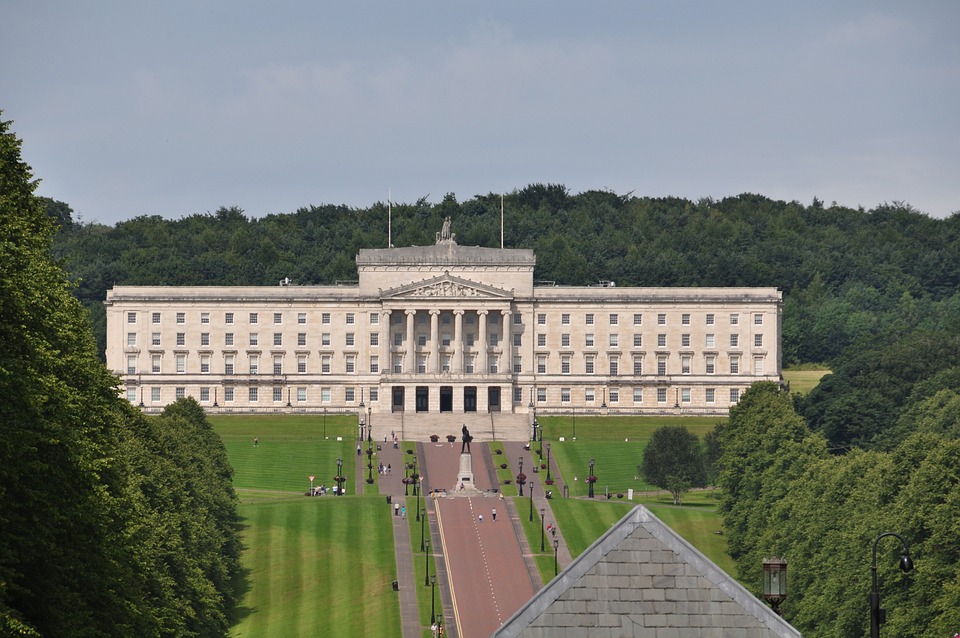
The British government has set a budget for Northern Ireland this week, noting that the region has two years to pay for an overspend from the last 12 months. The government also warned that there would be “difficult decisions” made as funding is expected to remain flat in the coming year.
The British government set the budget for Northern Ireland on Thursday, which would give the province two years to make up for the £297 million overspend, as the budget is also expected to remain flat in the coming fiscal year. As Northern Ireland has been without a functioning power-sharing government for more than a year, spending decisions were made by the British minister for the region and civil servants.
British Northern Ireland minister Chris Heaton-Harris said department spending would be at $17.68 billion over the next 12 months, which is the same as the previous fiscal year. The amount is the same despite the public sector’s demand for better pay, and the country’s inflation rates remain at 10 percent. Heaton-Harris said that last year’s £297 million overspend would come from any further funding as a result of higher spending decisions in the country, including the autumn statement made last year.
“This will provide some protection to front-line services in Northern Ireland from having to take the most severe reductions. However, difficult decisions remain in order to live within the funding available,” said Heaton-Harris in a statement.
Heaton-Harris also said that the spending per person in the region is around 20 percent higher than in other parts of the United Kingdom, but the level of public services being offered is still not affordable. Heaton-Harris also urged the region’s politicians to resume government to move forward with the “much needed” public service reform.
The region has been without a power-sharing government since the pro-British Democratic Unionist Party has staged a long boycott over the dispute surrounding the post-Brexit trade rules. The new version of the rules, known as the Windsor Framework, was brokered in February, in which the DUP said important changes still needed to be made.
Last week, the individuals who played key roles in overseeing the historic 1998 Good Friday Agreement urged politicians of the region to break the deadlock and restore a functioning government for the province.







