


 Bayer Wins Major U.S. Supreme Court Roundup Lawsuit, Shares Surge
  Australia Sues Amazon Over Prime Video Ads and Subscription Terms
  Supreme Court Backs Lisa Cook, Defends Federal Reserve Independence Against Trump Firing Attempt
  EU Weighs New Trade Restrictions on Israeli West Bank Settlements
  Paramount-Warner Bros. Discovery Merger Faces Lawsuit From 12 States
  US-Iran Strikes Escalate as Strait of Hormuz Crisis Pushes Oil Prices Higher
  US Egg Producers Settle Price Manipulation Probe, Agree to Pay $3.3 Million and Donate 53 Million Eggs
  New Mexico AG Accuses DOJ of Delaying Jeffrey Epstein Ranch Investigation
  Venezuela Appoints Felix Plasencia to Lead Foreign Relations and Trade
  Iran's Supreme Leader Vows Revenge as Trump Threatens Massive U.S. Military Response
  EU to Propose New Rules Limiting Children's Access to Social Media
  Israeli Strikes Kill Six in Gaza as Ceasefire Talks Continue in Cairo
  Republican Senator Lindsey Graham Dies at 71, Leaving South Carolina Senate Seat Vacant
  Amy Coney Barrett Faces Conservative Backlash After Key Supreme Court Rulings Against Trump
  Fortescue Faces Class Action Over Sexual Harassment Claims at Australian Mining Sites


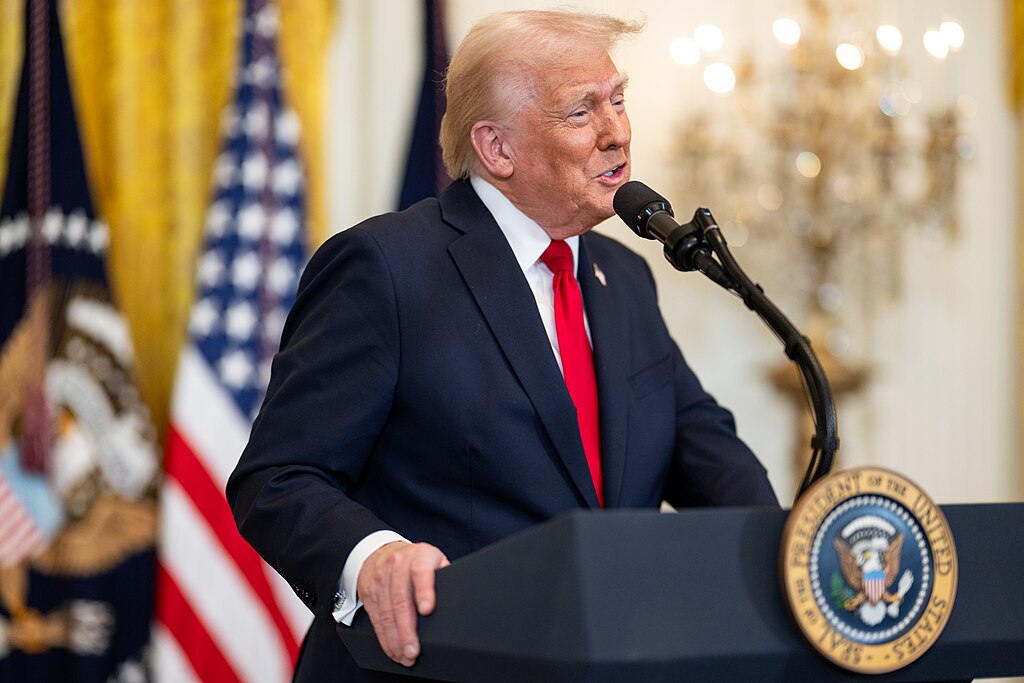
A U.S. appeals court has ruled that President Donald Trump had the authority to dismiss Democratic members of two major federal labor boards, marking a significant win for efforts to expand presidential control over traditionally independent agencies. In a 2-1 decision, the U.S. Court of Appeals for the District of Columbia Circuit found that federal laws shielding members of the National Labor Relations Board (NLRB) and the Merit Systems Protection Board (MSPB) from removal except for cause were unconstitutional.
Judge Gregory Katsas, joined by Judge Justin Walker—both Trump appointees—wrote that because these boards wield “substantial executive power,” they must remain accountable to the president. Judge Florence Pan dissented, arguing that Congress intentionally created independent agencies to keep politics out of critical oversight functions, warning that the ruling could undermine the legality of many similar agencies.
The decision reverses earlier district court rulings that reinstated Cathy Harris to the MSPB and Gwynne Wilcox to the NLRB, both of whom Trump removed without the legally required cause. The Supreme Court had previously paused those rulings and is set to hear a related case involving the president’s power to fire a Federal Trade Commission member—an outcome that could influence future limits on executive authority.
The White House welcomed the appeals court’s decision, calling it a major victory for presidential oversight. Critics, however, warn that dismantling protections for board members could give the president unprecedented control over federal regulation in areas such as labor, trade, antitrust, and consumer safety.
The removal of Harris and Wilcox temporarily stalled both labor boards, already strained by vacancies, but the Senate recently confirmed a Trump nominee to restore the MSPB’s quorum. Additional NLRB nominees are awaiting approval. Legal analysts continue to monitor the rapidly evolving situation, noting its potentially far-reaching implications for the structure and independence of the federal bureaucracy.







