


 U.S.-India Trade Framework Signals Major Shift in Tariffs, Energy, and Supply Chains
  Norway Opens Corruption Probe Into Former PM and Nobel Committee Chair Thorbjoern Jagland Over Epstein Links
  Trump Signs Executive Order Threatening 25% Tariffs on Countries Trading With Iran
  U.S. to Begin Paying UN Dues as Financial Crisis Spurs Push for Reforms
  Trump Backs Nexstar–Tegna Merger Amid Shifting U.S. Media Landscape
  U.S. Lawmakers to Review Unredacted Jeffrey Epstein DOJ Files Starting Monday
  Iran–U.S. Nuclear Talks in Oman Face Major Hurdles Amid Rising Regional Tensions
  US Pushes Ukraine-Russia Peace Talks Before Summer Amid Escalating Attacks
  Trump’s Inflation Claims Clash With Voters’ Cost-of-Living Reality
  Trump Signs “America First Arms Transfer Strategy” to Prioritize U.S. Weapons Sales
  Sydney Braces for Pro-Palestine Protests During Israeli President Isaac Herzog’s Visit
  Trump Says “Very Good Talks” Underway on Russia-Ukraine War as Peace Efforts Continue
  Netanyahu to Meet Trump in Washington as Iran Nuclear Talks Intensify
  Trump Allows Commercial Fishing in Protected New England Waters
  Jack Lang Resigns as Head of Arab World Institute Amid Epstein Controversy
  Trump Lifts 25% Tariff on Indian Goods in Strategic U.S.–India Trade and Energy Deal
  Japan Election 2026: Sanae Takaichi Poised for Landslide Win Despite Record Snowfall


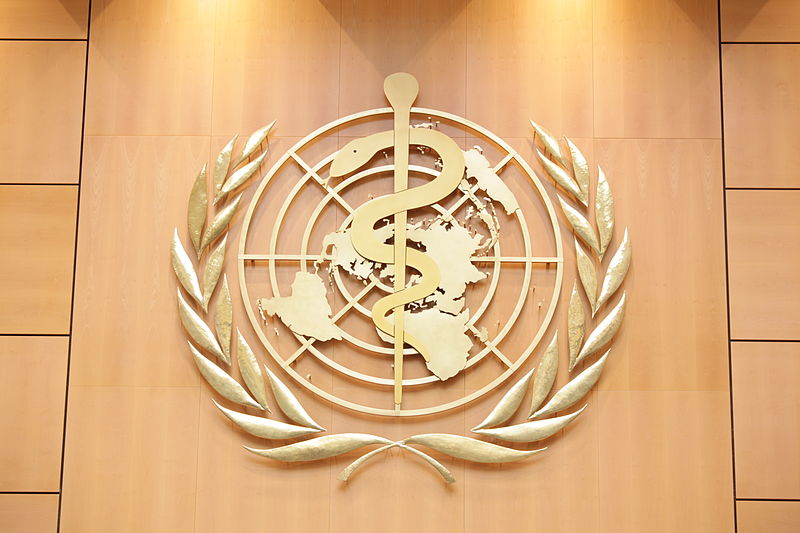
The US has shown its support for Taiwan in the midst of tensions in the region as Washington balances relations between the island nation and China. Congress this week passed a bill that would allow Washington to help Taiwan regain its standing in the World Health Organization.
The US House of Representatives unanimously passed a bill that would call on the State Department to propose a plan to bring Taiwan back to observer status in the WHO in a rare moment of strong bipartisan support. The House passed the bill Wednesday, months after the legislation passed the Senate in August 2021.
The bill will then go to President Joe Biden’s desk to be signed into law.
The island nation is excluded from the WHO among many other global organizations due to objections from China, which claims the democratically governed island is part of the mainland and not a separate country.
The legislation that was passed by Congress will direct the Secretary of State to establish a plan to help Taiwan regain observer status in the World Health Assembly, which is the decision-making body of the WHO.
Taiwan was stripped of its observer status in 2017, following the island’s election of Tsai Ing-wen as its president.
China sees Tsai as a separatist and has ramped up its pressure campaign on Taiwan since Tsai took office and has looked to limit the island’s participation in most, if not all, global non-political organizations, including the International Civil Aviation Organization.
Only 15 countries formally recognize Taiwan as a country, and the US has all but formally declared recognition of Taiwan as a separate country.
Taiwan’s foreign ministry thanked the support from Washington, saying that the government was moving forward with efforts to be able to take part this year.
The issue of Taiwan has strained relations between Beijing and Washington, as well as the issue of the South China Sea, in which China claims sovereignty over most of the body of water. Beijing has recently accused the US of undermining peace and stability in the region when it deployed a naval destroyer into the Taiwan Strait.
The US has regularly sent destroyers into the Strait, regarding it as international waters and as part of regular freedom of navigation exercises.













