


 FDA Targets Hims & Hers Over $49 Weight-Loss Pill, Raising Legal and Safety Concerns
  Indian Refiners Scale Back Russian Oil Imports as U.S.-India Trade Deal Advances
  Rio Tinto Shares Hit Record High After Ending Glencore Merger Talks
  Nvidia CEO Jensen Huang Says AI Investment Boom Is Just Beginning as NVDA Shares Surge
  SoftBank Shares Slide After Arm Earnings Miss Fuels Tech Stock Sell-Off
  OpenAI Expands Enterprise AI Strategy With Major Hiring Push Ahead of New Business Offering
  Anta Sports Expands Global Footprint With Strategic Puma Stake
  Washington Post Publisher Will Lewis Steps Down After Layoffs
  American Airlines CEO to Meet Pilots Union Amid Storm Response and Financial Concerns
  Prudential Financial Reports Higher Q4 Profit on Strong Underwriting and Investment Gains
  Innovent Biologics Shares Rally on New Eli Lilly Oncology and Immunology Deal
  Amazon Stock Rebounds After Earnings as $200B Capex Plan Sparks AI Spending Debate
  American Airlines CEO to Meet Pilots Union Amid Storm Response and Financial Concerns
  TrumpRx Website Launches to Offer Discounted Prescription Drugs for Cash-Paying Americans
  DBS Expects Slight Dip in 2026 Net Profit After Q4 Earnings Miss on Lower Interest Margins
  Weight-Loss Drug Ads Take Over the Super Bowl as Pharma Embraces Direct-to-Consumer Marketing


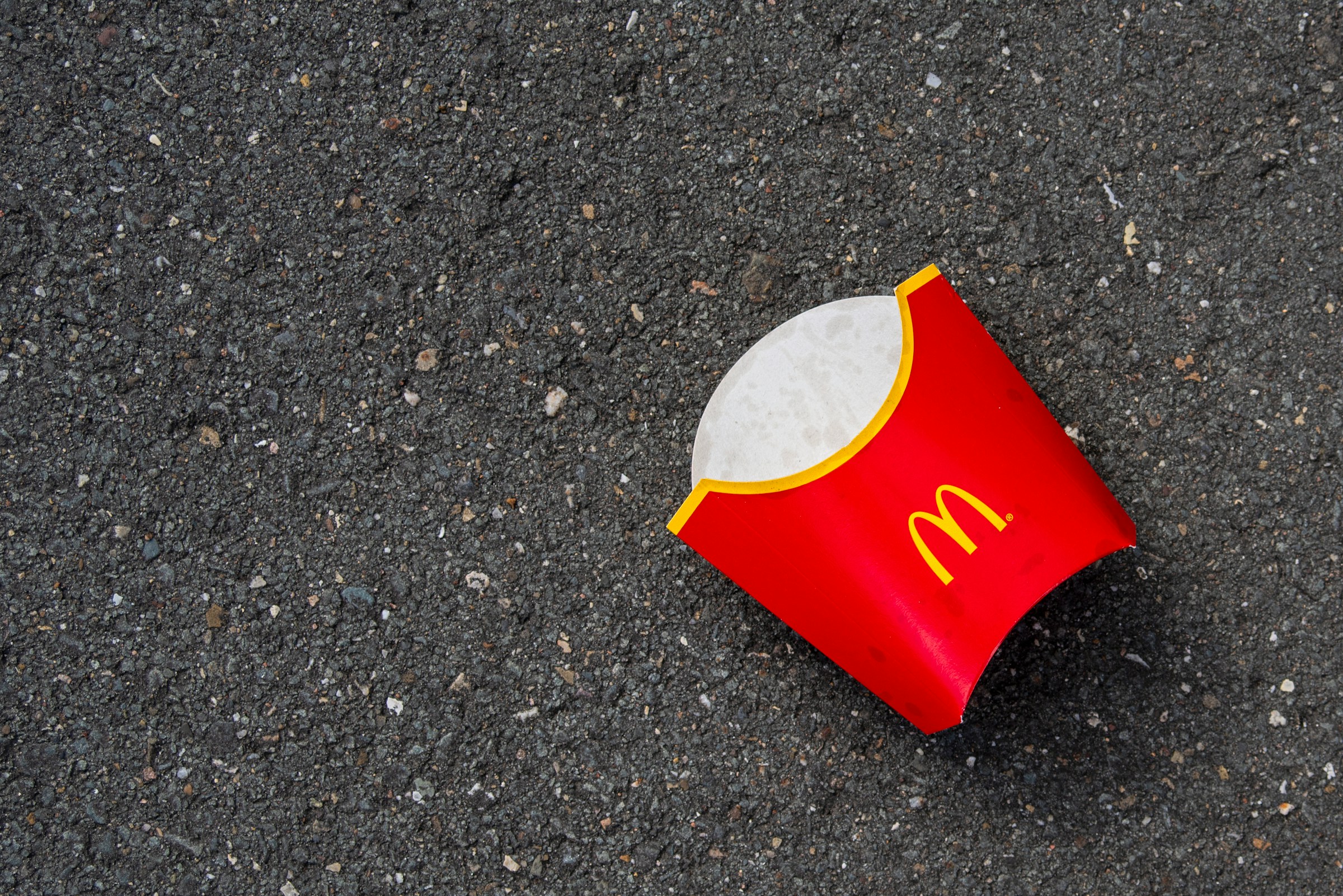
Fast food behemoths from McDonald's to Starbucks are facing a challenging phase as the ongoing conflict in the Middle East prompts consumer boycotts against American brands. McDonald's, a leading name in the fast food industry, reported a dip in sales from the Middle Eastern market, overshadowing gains in other regions such as Japan, Europe, and Latin America.
According to CEO Ian Borden, the company's first-quarter earnings were notably affected, with same-store sales in the region seeing a reduction of 0.2%.
Business Insider reported that these financial tremors have been predominant since Israel's military actions in Gaza last October, with Domino's and the iconic Golden Arches among the brands feeling the boycott's brunt. The boycotts, fueled by the U.S.'s support for Israel, have leveraged social media and tech, including apps directing consumers to alternative cafes, to amplify their impact.
Despite the Middle East constituting a minor share of their global revenue, the persistence of sales decline is a pressing concern.
No Immediate Relief in Sight
According to Titrepresse, McDonald's top executive, Chris Kempczinski, expressed little optimism for a short-term recovery, anticipating the sales impact to linger as long as the conflict does. Similarly, Starbucks CFO Rachel Ruggeri confirmed that the Middle Eastern turmoil has marred its international sales landscape, with a significant 6% fallback in comparable store sales attributed partly to decreased Middle Eastern transactions and challenges in China.
Bank of America analysts have speculated that Starbucks' 3% North American sales downturn might also stem from the prevailing social media narrative about its stance on the Middle Eastern crisis. Despite Starbucks' clarification that it does not support military or governmental actions, the narrative seems to have dented its U.S. customer base.
Light at the End of the Tunnel?
Yum! Brands, managing Pizza Hut and KFC, also acknowledged the adverse effect of boycotts on its first-quarter performance, with notable same-store sales declines. However, CEO David Gibbs hinted at a slow but hopeful recovery, suggesting time as a healer for the brand's reputation in the affected regions.
The fast food industry's ongoing challenge highlights the intricate ties between global politics, consumer sentiment, and corporate performance, underscoring a delicate balance that global brands must maintain in a politically conscious market landscape.
Photo: Lucas van Oort/Unsplash













