


 Sony Q3 Profit Jumps on Gaming and Image Sensors, Full-Year Outlook Raised
  OpenAI Expands Enterprise AI Strategy With Major Hiring Push Ahead of New Business Offering
  Jensen Huang Urges Taiwan Suppliers to Boost AI Chip Production Amid Surging Demand
  Nintendo Shares Slide After Earnings Miss Raises Switch 2 Margin Concerns
  SoftBank and Intel Partner to Develop Next-Generation Memory Chips for AI Data Centers
  Alphabet’s Massive AI Spending Surge Signals Confidence in Google’s Growth Engine
  AMD Shares Slide Despite Earnings Beat as Cautious Revenue Outlook Weighs on Stock
  Palantir Stock Jumps After Strong Q4 Earnings Beat and Upbeat 2026 Revenue Forecast
  Baidu Approves $5 Billion Share Buyback and Plans First-Ever Dividend in 2026
  SpaceX Seeks FCC Approval for Massive Solar-Powered Satellite Network to Support AI Data Centers
  Nvidia Nears $20 Billion OpenAI Investment as AI Funding Race Intensifies
  Global PC Makers Eye Chinese Memory Chip Suppliers Amid Ongoing Supply Crunch
  Anthropic Eyes $350 Billion Valuation as AI Funding and Share Sale Accelerate
  Oracle Plans $45–$50 Billion Funding Push in 2026 to Expand Cloud and AI Infrastructure
  SpaceX Updates Starlink Privacy Policy to Allow AI Training as xAI Merger Talks and IPO Loom
  Tencent Shares Slide After WeChat Restricts YuanBao AI Promotional Links


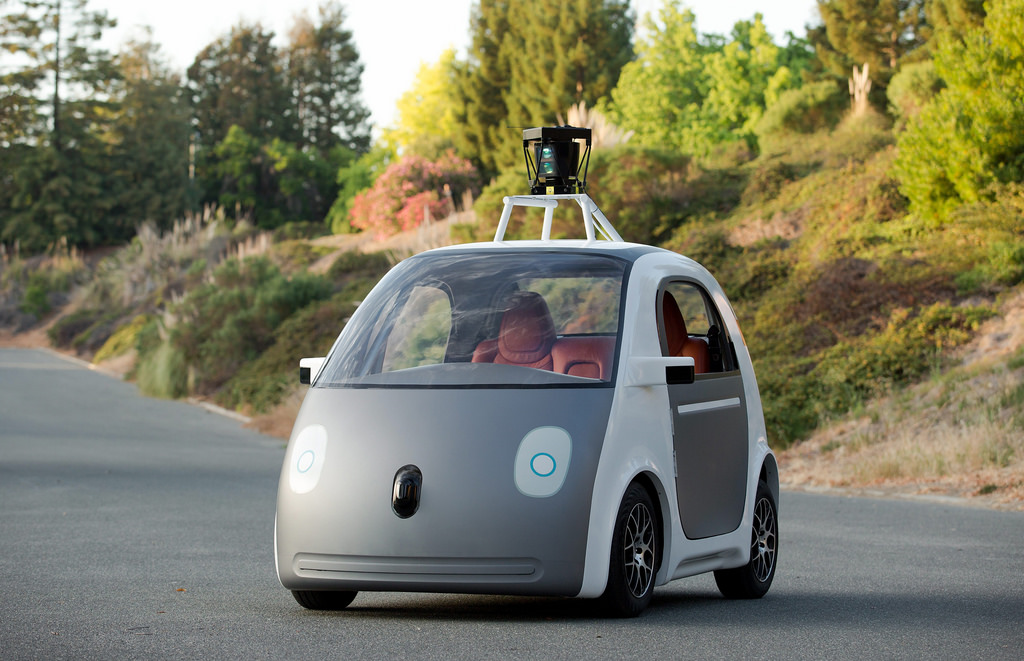
It’s been a long time coming but the U.S. government finally decided to act on self-driving technology by introducing new regulations and guidelines. Companies that had a stake in the emerging industry have been lobbying for some changes that will allow them to more easily introduce self-driving cars in the market and test them with more freedom. However, it doesn’t seem like any of these new regulations and guidelines are legally enforceable, and they don’t really do anything that the self-driving industry has been asking for.
With the new regulations the in place, car companies will need to meet what the U.S. Transportation Department calls a 15-point “safety assessment” system, The Wall Street Journal reports. It’s basically a list of criteria that qualifies a self-driving car or technology as road safe.
Companies are also encouraged to draft plans related to the prevention of hacking incidents with their vehicles. Driverless technology needs to be connected to servers via wireless internet, after all, and this can make them vulnerable to being taken over by outside parties.
However, these regulations are not laws yet. They can’t be enforced and companies are basically advised to follow them instead of being required to do so. Much of this has to do with the fears by the Federal government that the changes in the self-driving industry are occurring too rapidly for any actual, legally enforceable rules to apply. Right now, Uncle Sam is basically just hoping that autonomous driving companies would play ball and share relevant data with them.
President Obama also included the matter of the emerging self-driving market in an op-ed that he wrote for the Pittsburgh Post-Gazette. In it, he indicated that keeping companies accountable is good, but not so much as to stifle growth and innovation.
"Regulation can go too far," President Obama writes. "Government sometimes gets it wrong when it comes to rapidly changing technologies. That’s why this new policy is flexible and designed to evolve with new advances."













