


 Zelenskiy Plans Ukraine Government Shake-Up as Prime Minister Svyrydenko Set to Step Down
  Paramount-Warner Bros. Discovery Merger Faces Lawsuit From 12 States
  Iraq PM Visits Washington as U.S. Oil, Gas Deals Take Center Stage
  EU to Propose New Rules Limiting Children's Access to Social Media
  Stellantis Q2 Vehicle Shipments Rise 10% as North America Drives Growth
  Mastercard Explores Sale of Majority Stake in UK Payments Firm Vocalink: Report
  Samsung to Launch First Yongin Chip Plant by 2029 as South Korea Speeds Up Semiconductor Hub
  UN Says Hamas Disrupted Gaza Aid Distribution, Group Denies Allegations
  TSMC Q2 Revenue Surges 36% as AI Chip Demand Powers Growth Ahead of Earnings
  Morgan Stanley Says China’s Reusable Rocket Progress Poses Long-Term Challenge to SpaceX
  OpenAI Executive Fidji Simo to Step Down Amid Health Challenges Ahead of IPO
  China 618 Smartphone Sales Drop 13% as Higher Prices Hurt Demand, Huawei Gains Market Share
  Apple Sues OpenAI, Former Employees Over Alleged Trade Secret Theft
  Nvidia Tightens AI Chip Sales in Asia With Stricter Customer Approval Process
  SK Hynix Soars 13% in Nasdaq Debut After Record $26.5 Billion IPO
  Reuters/Ipsos Poll: Most Americans Expect U.S.-Iran War to Be Prolonged
  Samsung Chairman Lee Jae-yong Expected to Meet Nvidia CEO Jensen Huang on AI and Chip Partnership


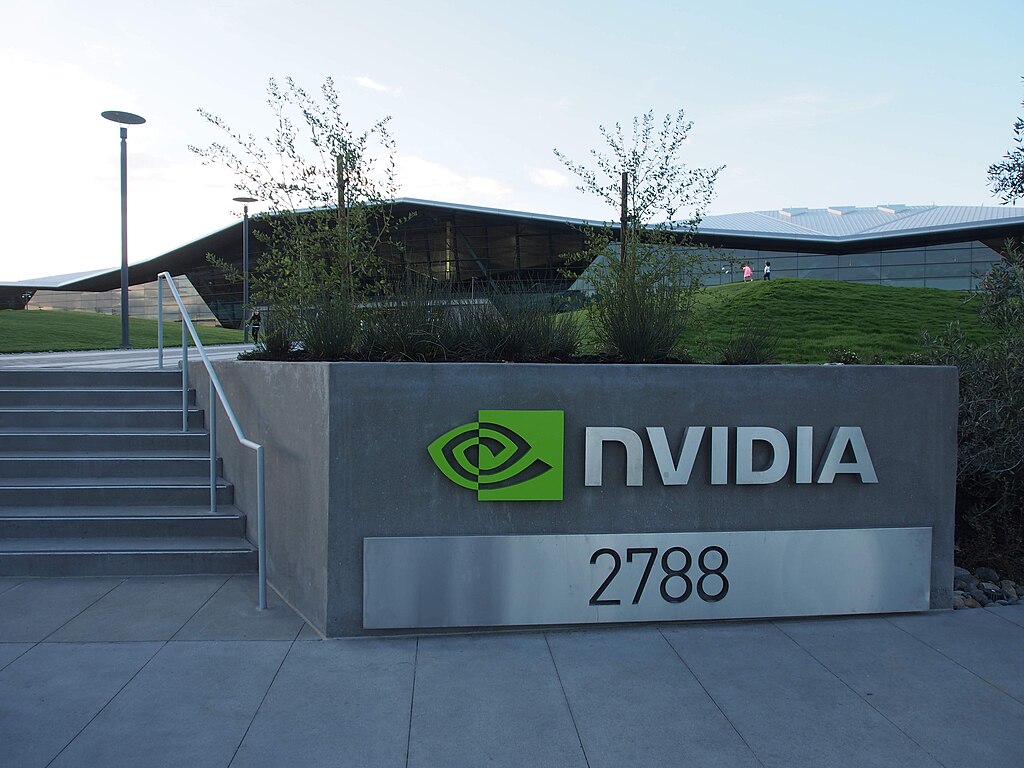
U.S. lawmakers and former national security officials are voicing strong concerns over President Donald Trump’s decision to allow Nvidia to resume sales of its advanced H200 artificial intelligence chips to China, warning the move could undermine America’s technological leadership and bolster Beijing’s military capabilities. The Trump administration formally approved the China-bound sales on Tuesday, marking a major shift from the Biden-era restrictions that barred exports of high-end AI semiconductors to the country.
During a congressional hearing on Wednesday, Matt Pottinger, former White House Asia adviser under Trump, criticized the decision as a strategic error. He argued that allowing Nvidia’s H200 chips into China could accelerate the modernization of the Chinese military, enhancing capabilities in areas such as nuclear weapons development, cyber warfare, autonomous weapons systems, biological research, and intelligence operations. Pottinger urged Congress to establish stricter guardrails to prevent similar decisions in the future, calling the administration’s approach to the AI race “the wrong track.”
Several Republican lawmakers echoed these national security concerns. Congressman Michael McCaul highlighted China’s long history of intellectual property theft, arguing that the U.S. should not willingly supply advanced technology that could be used against American interests. At the same time, some Republicans acknowledged safeguards in the new rules. Congressman Brian Mast praised the “know your customer” requirements, which are designed to limit misuse of the chips.
Democratic lawmakers were more forceful in their criticism. Congressman Gabe Amo likened the policy shift to giving strategic advantages to adversaries during a conflict, questioning why the U.S. would weaken its AI edge. Former Deputy National Security Adviser Jon Finer also warned that the regulations would place heavy enforcement burdens on the Commerce Department and rely on Chinese buyers’ honesty.
Under the new rules, Nvidia must certify sufficient domestic supply before exporting, limit China to less than 50% of U.S. sales, and ensure third-party testing and security assurances. Nvidia defended the decision, saying U.S. companies should compete globally while supporting American jobs.







