


 Trump Administration Hands Over Key Evidence in Minnesota Immigration Shooting Investigations
  Australia Sues Amazon Over Prime Video Ads and Subscription Terms
  Sara Duterte Impeachment Trial Opens, Putting 2028 Philippine Election in Focus
  Texas Man Charged After Fatal Tesla Full Self-Driving Crash in Katy
  EU Weighs New Trade Restrictions on Israeli West Bank Settlements
  US-Iran Strikes Escalate as Strait of Hormuz Crisis Pushes Oil Prices Higher
  Trump to Deliver National Address on Declassified 2020 Election Intelligence
  Zelenskiy Plans Ukraine Government Shake-Up as Prime Minister Svyrydenko Set to Step Down
  EU Ministers Split as Support Grows for Ban on Trade With Israeli West Bank Settlements
  Israeli Strikes Kill Six in Gaza as Ceasefire Talks Continue in Cairo
  DOJ Seeks Dismissal of Fraud Charges Against Gautam Adani in U.S. Court
  Trump, Canada Reach Gordie Howe Bridge Deal Ahead of July 27 Opening
  New Mexico AG Accuses DOJ of Delaying Jeffrey Epstein Ranch Investigation
  Amy Coney Barrett Faces Conservative Backlash After Key Supreme Court Rulings Against Trump
  Bayer Wins Major U.S. Supreme Court Roundup Lawsuit, Shares Surge
  HHS Watchdog Reports $5.56 Billion in Healthcare Fraud Recoveries as Enforcement Actions Decline


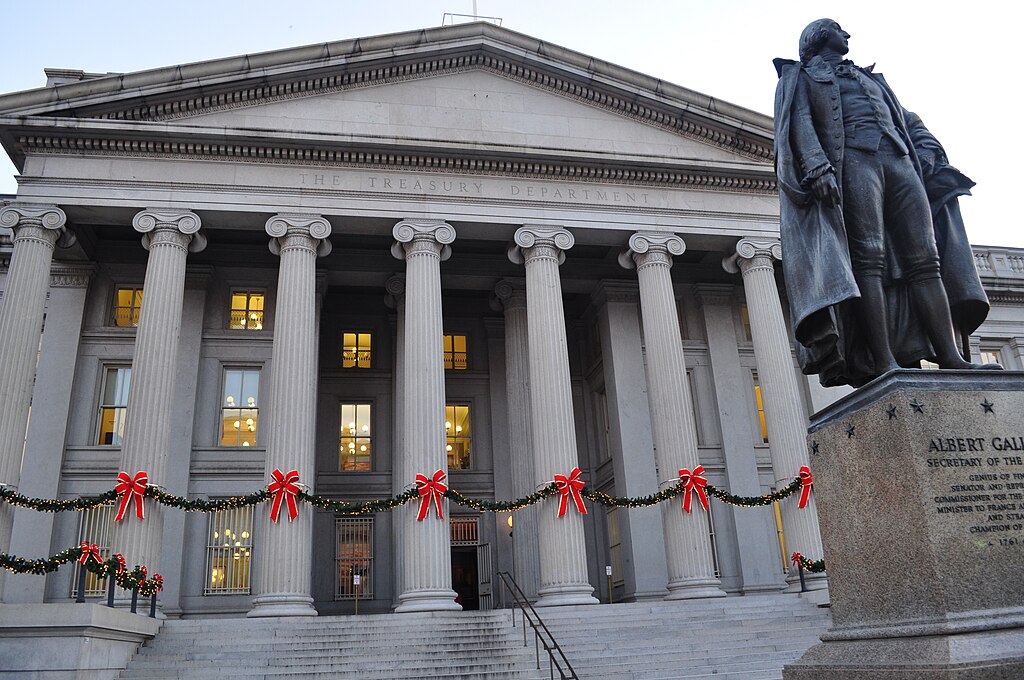
The United States has officially lifted sanctions on Brazilian Supreme Court Justice Alexandre de Moraes, signaling a notable shift in U.S.–Brazil relations under President Donald Trump. The decision, announced Friday by the U.S. Treasury Department, reverses sanctions imposed less than five months ago under the Global Magnitsky Act and comes amid a broader easing of trade and diplomatic tensions between Washington and Brasília.
Justice Moraes had been sanctioned in July for overseeing the criminal case that led to the conviction and imprisonment of former Brazilian President Jair Bolsonaro, who was found guilty of attempting a coup following his loss in the 2022 presidential election. At the time, President Trump strongly criticized the trial, labeling it a “witch hunt,” while his administration accused Moraes of judicial overreach, arbitrary detentions, and suppressing free speech.
Alongside Moraes, the Treasury Department also removed sanctions placed in September on his wife, Viviane Barci, and the Lex Institute, a financial entity linked to Barci and other family members. These sanctions had significantly strained diplomatic relations, particularly after the U.S. imposed steep tariffs on Brazilian imports earlier this year. Some of those tariffs have already been rolled back, underscoring a warming tone between the two countries.
The policy reversal follows recent political developments in Brazil, where lawmakers in the lower house passed legislation aimed at reducing sentences for Bolsonaro and others convicted of anti-democratic acts related to the 2022 election. While the bill still faces debate in Brazil’s Senate and potential resistance from President Luiz Inácio Lula da Silva and the Supreme Court, U.S. officials have welcomed the move. Deputy Secretary of State Christopher Landau described the legislation as a positive first step toward addressing concerns over the politicization of Brazil’s legal system.
A senior Trump administration official stated that maintaining sanctions on Moraes no longer aligned with U.S. foreign policy interests, citing improvements in what Washington views as “lawfare conditions” in Brazil. The decision also followed a recent phone call between Trump and Lula, which Trump characterized as “great” and indicative of a newly formed partnership.
Brazilian officials hailed the lifting of sanctions as a diplomatic victory, emphasizing that the outcome was achieved without concessions. Meanwhile, Eduardo Bolsonaro criticized the move, expressing disappointment despite thanking Trump for his earlier support.







