


 Trump Buys Up to $25M in Meta Stock, Invests in SpaceX Debt
  San Francisco Halts New Data Center Construction With 45-Day Moratorium
  Kalshi Wins CFTC Approval for S&P 500 Perpetual Futures
  Berlin Coalition Talks Advance After Left Party Antisemitism Deal
  US DOT Ends Airline Privacy Review Without Enforcement
  Russia Targets Danish Ukraine Suppliers in Sabotage Campaign
  Trump Weighs FBI Probe Into Nolan Wells’ Death
  Europol Warns Bitcoin Wallets Face Quantum Computing Risk
  Hegseth Praises USS Abraham Lincoln Crew After Record Iran War Deployment
  LG Electronics Shares Slide as Q3 Profit Misses Estimates
  Tsai Warns of China’s Sustained Pressure on Taiwan
  OpenAI Annualized Revenue Hits $50 Billion, Below Earlier Estimates
  Maduro, Wife May Face New US Torture Charges
  Tencent Shares Fall as $5 Billion AI Bond Sale Weighed
  Mexico Bars Dual Citizens From Presidential Races Starting in 2028
  New York Declares Measles Disaster Emergency as Cases Surge


 Add as a preferred source on Google
The Republican-led U.S. Senate voted 99-1 on Tuesday to eliminate a 10-year federal moratorium on state-level regulation of artificial intelligence (AI), marking a major shift in the ongoing debate over AI governance. The amendment, introduced by Senator Marsha Blackburn (R-TN), was passed during a marathon legislative session known as a "vote-a-rama" as part of President Trump’s sweeping tax and spending bill.
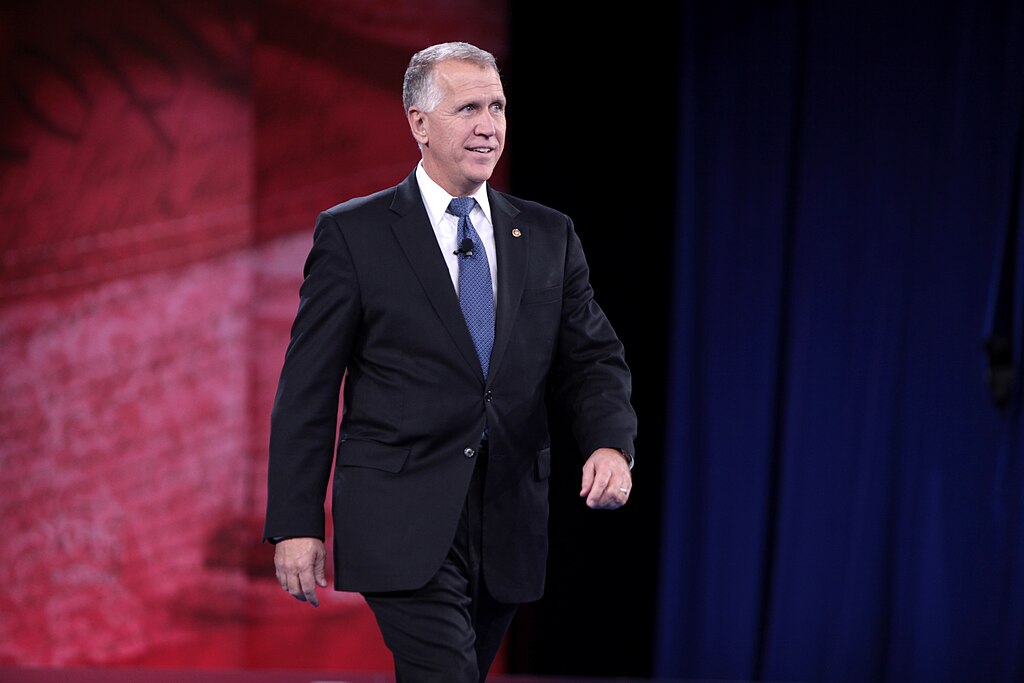
Senator Thom Tillis (R-NC) was the only senator to oppose the amendment, favoring the original provision that restricted states from regulating AI. The initial bill included a $500 million federal fund to support AI infrastructure but barred states from accessing it if they implemented their own regulations.
Leading AI companies like OpenAI and Google (NASDAQ:GOOGL) have pushed for a unified federal framework to prevent a fragmented patchwork of state laws that could hinder innovation and product deployment. However, Blackburn argued that states must retain the ability to protect their citizens, especially in areas such as child safety and artists’ rights.
Although Blackburn initially agreed to a compromise with Senator Ted Cruz (R-TX) to shorten the ban to five years and allow limited state regulation, she later withdrew support for the watered-down proposal. She emphasized that the existing language failed to safeguard vulnerable communities and called for Congress to prioritize comprehensive federal legislation like the Kids Online Safety Act and broader online privacy measures.
The Senate's decision reflects growing bipartisan recognition of the need for flexible AI oversight, allowing states to fill regulatory gaps while Congress works toward a national framework. The legislative outcome signals a pivotal moment in U.S. AI policy, balancing innovation with consumer protection.







