


 US-Led Coalition Targets Global Factory Overcapacity
  Iran Refuses to Halt Uranium Enrichment Amid US Nuclear Demands
  S&P 500 Hits Record High as AI Rally Lifts Wall Street
  Florida Seeks Tougher Meta Rules to Protect Young Users
  US Conducts Non-Nuclear Explosion Test to Boost Nuclear Detection
  Trump Rallies in Texas as Republicans Face Tight Midterm Races
  US Charges Maduro and Wife With Torture Conspiracy
  UK Sanctions Crypto Exchanges Linked to Russia
  US Suspends Microsoft, Adobe From Green Card Program
  Merz Warns of Extremism After AfD Gains Power in Saxony-Anhalt
  US Treasury Drops Crypto Wallet Tracking Plan
  Fairshake Backs 32 Pro-Crypto House Candidates
  Tsai Warns of China’s Sustained Pressure on Taiwan
  Italy Approves Electoral Reform Ahead of 2027 Election
  Saudi Arabia Probes Flydubai Cockpit Attack
  EU Rejects Italy, Greece Calls for Fiscal Rule Flexibility


 Add as a preferred source on Google
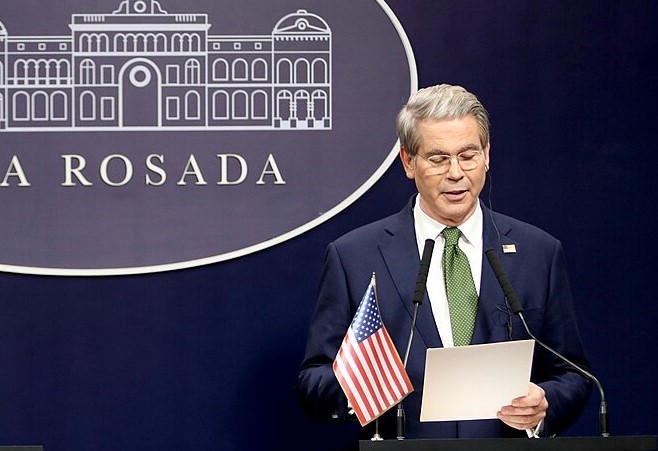
The United States may lift additional sanctions on Venezuela as early as next week to facilitate oil sales and economic stabilization, according to comments by U.S. Treasury Secretary Scott Bessent in an interview with Reuters. The move is part of the Trump administration’s broader strategy to revive Venezuela’s economy, stabilize the country, and encourage the return of U.S. oil producers following the recent arrest of Venezuelan leader Nicolas Maduro on drug trafficking charges.
Bessent said the Treasury Department is actively reviewing sanctions related to Venezuelan oil, particularly those affecting crude stored on ships. The goal is to allow oil sale proceeds to be repatriated back to Venezuela to fund government operations, security services, and public needs. While Bessent did not specify which sanctions could be lifted, he emphasized that changes could come quickly.
A major focus of the U.S. effort is unlocking Venezuela’s frozen International Monetary Fund Special Drawing Rights. Venezuela holds roughly 3.59 billion SDRs, valued at nearly $5 billion, which it has been unable to access due to sanctions. Bessent said the U.S. Treasury would be willing to convert these SDRs into U.S. dollars to help rebuild Venezuela’s economy. He is also scheduled to meet next week with the heads of the IMF and World Bank to discuss their potential re-engagement with the country.
U.S. sanctions have long prevented international banks and creditors from dealing with Venezuela, complicating a widely anticipated $150 billion debt restructuring seen as critical for attracting private investment. To protect future revenues, President Donald Trump signed an executive order blocking courts or creditors from seizing Venezuelan oil revenue held in U.S. Treasury accounts.
Bessent expressed confidence that smaller private oil companies would move rapidly back into Venezuela, while Chevron is expected to expand its long-standing presence. He also suggested the U.S. Export-Import Bank could help guarantee financing for Venezuela’s oil sector, potentially accelerating recovery and foreign investment.







