


 Sam Altman Reaffirms OpenAI’s Long-Term Commitment to NVIDIA Amid Chip Report
  Nintendo Shares Slide After Earnings Miss Raises Switch 2 Margin Concerns
  Trump Signs Executive Order Threatening 25% Tariffs on Countries Trading With Iran
  Global PC Makers Eye Chinese Memory Chip Suppliers Amid Ongoing Supply Crunch
  Jack Lang Resigns as Head of Arab World Institute Amid Epstein Controversy
  Netanyahu to Meet Trump in Washington as Iran Nuclear Talks Intensify
  TrumpRx Website Launches to Offer Discounted Prescription Drugs for Cash-Paying Americans
  Japan Election 2026: Sanae Takaichi Poised for Landslide Win Despite Record Snowfall
  South Korea Assures U.S. on Trade Deal Commitments Amid Tariff Concerns
  SoftBank and Intel Partner to Develop Next-Generation Memory Chips for AI Data Centers
  TSMC Eyes 3nm Chip Production in Japan with $17 Billion Kumamoto Investment
  SpaceX Pushes for Early Stock Index Inclusion Ahead of Potential Record-Breaking IPO
  Missouri Judge Dismisses Lawsuit Challenging Starbucks’ Diversity and Inclusion Policies
  Palantir Stock Jumps After Strong Q4 Earnings Beat and Upbeat 2026 Revenue Forecast
  Amazon Stock Rebounds After Earnings as $200B Capex Plan Sparks AI Spending Debate
  Tencent Shares Slide After WeChat Restricts YuanBao AI Promotional Links
  SpaceX Prioritizes Moon Mission Before Mars as Starship Development Accelerates


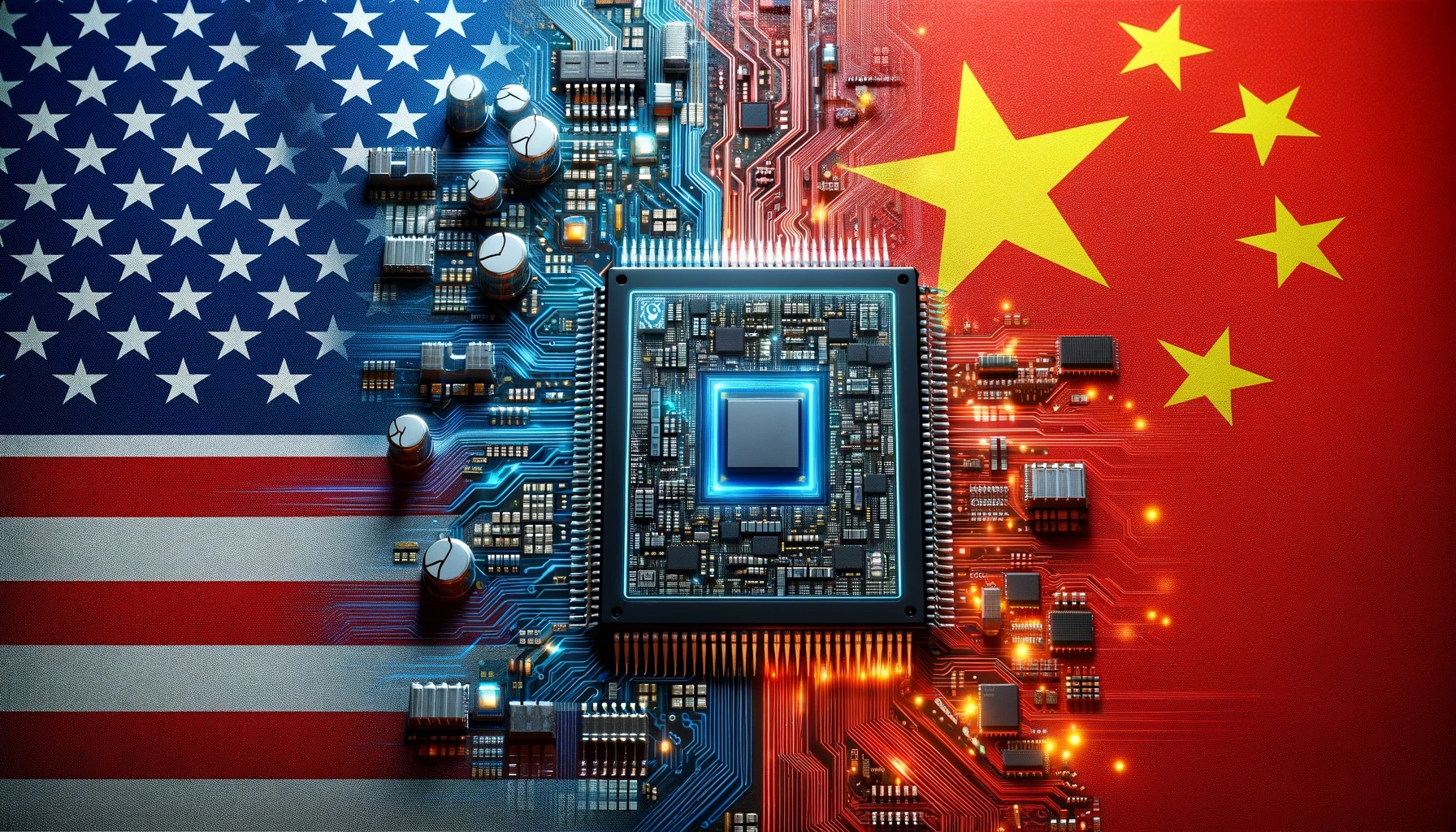
The United States is finalizing a list of Chinese chip factories banned from receiving vital technology, aiming to curb Beijing's tech advancements amid national security concerns. Concurrently, a US-Mexico semiconductor supply chain development partnership marks a strategic move to diversify sourcing away from Asia.
US Moves to Clarify Chip Export Restrictions, China Cautions Against Suppression
According to Reuters, the list could be released within a few months. In 2022, the Commerce Department barred US companies from shipping equipment to Chinese factories producing advanced chips. The US seeks to severely limit Beijing's technological advances due to national security concerns.
However, companies claim it is difficult to determine which factories in China produce advanced chips and have long urged the Commerce Department to publish a list.
The effort demonstrates that the United States is working to strengthen its existing chip restrictions on China by making it easier for US firms to comply with them.
The Commerce Department Declined to Comment
A spokesperson for the Chinese Embassy in Washington stated that the United States should "stop overstretching the concept of national security and abusing state power to suppress Chinese companies."
During an annual export controls conference in Washington this week, US officials responded to company requests for a list.
"People are like: 'Please, just tell us which advanced you really care about,'" said one official who spoke on a panel.
"It's probably not going to be an exhaustive listing if we can do that. But the more that we can help identify these facilities that we have a concern about, the more hopefully that's going to help," the official added.
US and Mexico Forge Partnership to Strengthen Semiconductor Supply Chain
The US will work with Mexico to explore semiconductor supply chain opportunities, the State Department announced on March 28, as the Biden administration seeks to reduce reliance on China and Taiwan for the technology.
The collaboration will take place in the United States. The CHIPS Act, a 2022 law, established a $500 million fund to develop the semiconductor supply chain through collaborative initiatives with allies and partners.
The department said, "Manufacturing of essential products ranging from vehicles to medical devices relies on the strength and resilience of the semiconductor supply chain."
According to the department, the partnership will begin with assessing Mexico's current semiconductor industry, regulatory framework, and workforce requirements.
The Mexican economic ministry did not immediately respond to a request for comment on the State Department's announcement.













