


 Morgan Stanley Names Marks & Spencer Top European Retail Pick, Sees Strong Upside
  France Keeps Top Health Alert as Officials Brace for Another Heatwave
  Asia Stocks Slip as Iran-Hormuz Tensions Lift Oil Prices, Dollar and Bond Yields
  Why have so few atrocities ever been recognised as genocide?
  Why a ‘rip-off’ degree might be worth the money after all – research study
  Nippon Paint Reportedly Offers Up to €7.5 Billion for Akzo Nobel Decorative Paints Business
  Trump Reportedly Approves Plan to Remove FDA Commissioner Marty Makary Amid Growing Controversies
  Oppenheimer Sees CNH Industrial as Top 2026 Agriculture Stock Pick on Dealer Consolidation Strategy
  Trump Administration Bars U.S. Travelers From Congo Flights Amid Ebola Outbreak
  Takeda Hit With $885M Verdict Over Amitiza Generic Drug Delay Scheme
  AstraZeneca Shares Sink After Wainua Trial Misses Key Heart Disease Goal
  China Trade Surplus Hits $125.6 Billion as June Exports, Imports Smash Forecasts
  Office design isn’t keeping up with post-COVID work styles - here’s what workers really want
  Oil Prices Surge as U.S.-Iran Conflict Escalates and Strait of Hormuz Risks Grow
  AI is driving down the price of knowledge – universities have to rethink what they offer
  Asian Currencies Weaken as Stronger Dollar Weighs, Yen Supported by GPIF Repatriation Hopes
  Muji Owner Ryohin Keikaku Stock Soars After Raising Full-Year Earnings Forecast


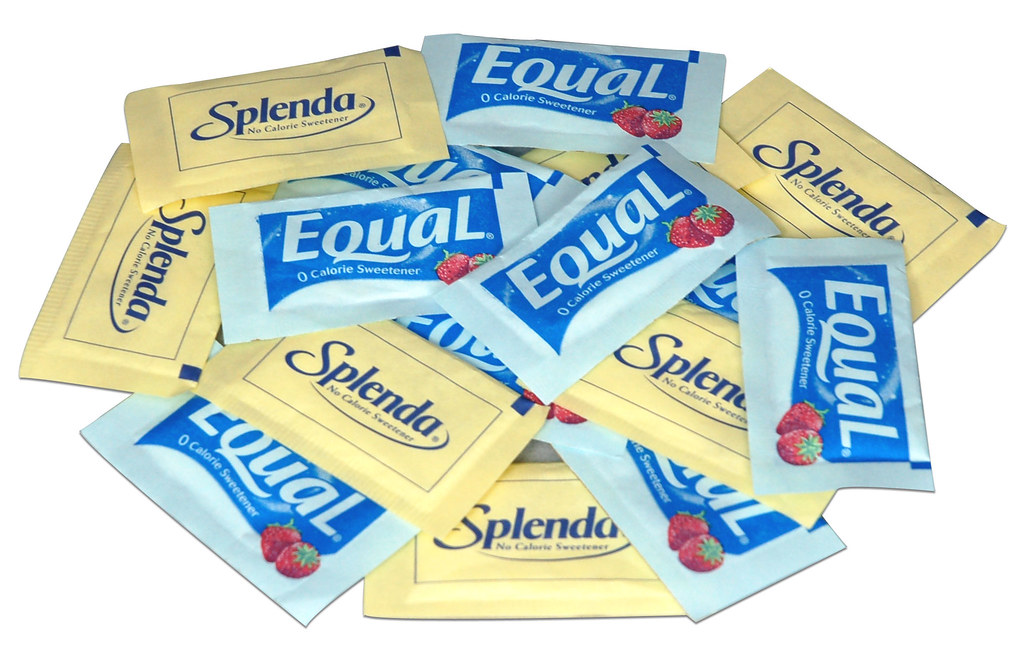
A sugar replacement called erythritol found in Splenda and Equal has been linked by a study to blood clotting, stroke, heart attack, and death.
Erythritolused is used to add bulk or sweeten stevia, monkfruit and keto reduced-sugar products.
Lead study author Dr. Stanley Hazen, director of the Center for Cardiovascular Diagnostics and Prevention at the Cleveland Clinic Lerner Research Institute, warned that “the degree of risk was not modest.”
The study, released on Monday in the journal Nature Medicine, found that people with pre-existing risk factors for heart disease, such as diabetes, were twice as likely to have a heart attack or stroke if they had the highest amounts of erythritol in their blood.
According to Hazen, there was an approximately two-fold increased risk for heart attack and stroke for those whose blood level of erythritol was in the top 25 percent as opposed to the lowest 25 percent. It is comparable to the most serious cardiac risk factors, such as diabetes.
Additional lab and animal research presented in the paper revealed that erythritol appeared to be causing blood platelets to clot more readily. Clots can break off and travel to the heart, triggering a heart attack, or to the brain, triggering a stroke.
Dr. Andrew Freeman, director of cardiovascular prevention and wellness at National Jewish Health, a hospital in Denver, said there appears to be a clotting risk from using erythritol, and that it might make sense to limit erythritol in your diet for now.”
Freeman was not involved in the research.
In response to the study, Robert Rankin, executive director of the Calorie Control Council, an industry association, said that “the results of this study are contrary to decades of scientific research showing reduced-calorie sweeteners like erythritol are safe, as evidenced by global regulatory permissions for their use in foods and beverages.”
Rankin added that the results “should not be extrapolated to the general population, as the participants in the intervention were already at increased risk for cardiovascular events.”







