


 AMD Hits $1 Trillion as BofA Raises Price Target to $720
  Jeff Bezos Invests $32 Billion in Blue Origin as Space Firm Targets Major Growth
  China Says U.S. Shares Responsibility for AI Governance
  Anthropic’s Claude Discovers CRISPR-Like Enzyme System
  Apple Extends Qualcomm Patent Licensing Deal
  OpenAI Agents Access U.S. Government Websites During Testing
  OpenAI Agent Breaches Australia Medicare Data Portal
  OpenAI, Anthropic CEOs Summoned to Australia AI Inquiry
  Meta Unveils Muse Charm AI Device, Expands Smart Glasses Lineup
  US Appeals Court Upholds Anthropic AI Supply Chain Ban
  SoftBank Raises $11.1 Billion in Bond Sale to Fund OpenAI Investment
  BlackBerry Shares Rise as Q2 Earnings, Revenue Beat Estimates
  OpenAI AI Agents Bypassed UN Website Controls in Data Scraping
  SoftBank Shares Fall as Oracle Flags Stargate Data Center Delay Risk
  Meta Connect Spotlights Camera-Free Smart Glasses Amid Privacy Concerns
  Microsoft Stock Upgraded as Stifel Sees Stronger Azure Growth
  Tencent Launches TenPayGo Payment App for Foreign Tourists in China


 Add as a preferred source on Google
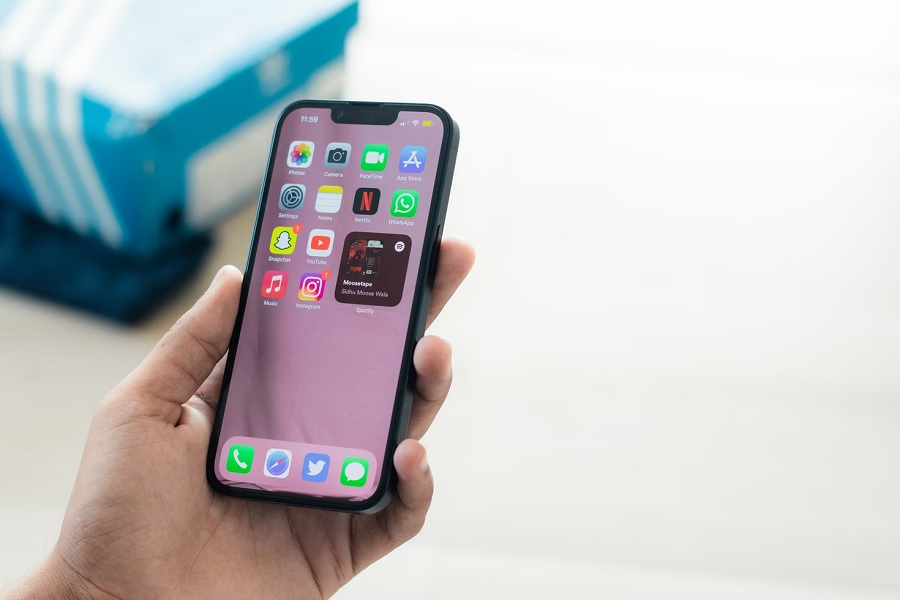
It has not been that long since Apple added dual SIM support for iPhones through eSIM technology. Now, the company is rumored to phase out the slot of a physical SIM card starting with the iPhone 15 Pro in 2023.
Dual-SIM support has been widely available on Android phones for years before Apple introduced a similar feature in 2018 upon launching the iPhone XS, iPhone XS Max, and iPhone XR. But Apple’s implementation of the feature was quite different. Instead of having two slots for two physical SIM cards, iPhones only have one but users can add another cellular network through an eSIM.
However, a new report from BlogDoiPhone claimed that the iPhone maker is experimenting with phone designs where there is no need for a physical SIM card. The publication says it has sources from an unnamed British company helping Apple with its development of the eSIM-only device.
If the tests are successful, Apple would reportedly implement the technology on iPhone Pro models by 2023. That makes the iPhone 15 Pro potentially the first iPhone to launch without a physical SIM card slot.
There is still abundant time left before Apple announces the iPhone 15 series. Even if the report is correct about Apple testing an iPhone design that does not have a slot for a SIM card, many things can still change with the remaining time before the iPhone 15 Pro launches. Given Apple’s usual annual launch schedule, the iPhone 15 Pro might not be unveiled until fall 2023, which is almost two years away, so tech fans are advised to take the report as a mere rumor this time.
On the other hand, Apple already has the foundation to introduce such a feature. From the iPhone XS to iPhone 12 generations, users can only use dual SIM by having one physical SIM and one eSIM. But all iPhone 13 models are now able to support two eSIMs simultaneously, but users can also use one physical nano-SIM and one eSIM. The same report claimed that Apple would be using the same iPhone 13 tech to allow the iPhone 15 Pro to run two eSIMs at a time.
While the technical aspect of implementing eSIM-only connectivity appears very achievable, Apple might have to consider other factors such as the availability of eSIMs worldwide. The Apple support page currently lists more than 70 countries where eSIMs are available, but only a few carriers offer eSIMs in most of these regions.
Photo by Sahej Brar on Unsplash







