


 Hims & Hers Halts Compounded Semaglutide Pill After FDA Warning
  AMD Shares Slide Despite Earnings Beat as Cautious Revenue Outlook Weighs on Stock
  SpaceX Prioritizes Moon Mission Before Mars as Starship Development Accelerates
  Nvidia Confirms Major OpenAI Investment Amid AI Funding Race
  Nvidia CEO Jensen Huang Says AI Investment Boom Is Just Beginning as NVDA Shares Surge
  TrumpRx Website Launches to Offer Discounted Prescription Drugs for Cash-Paying Americans
  Sony Q3 Profit Jumps on Gaming and Image Sensors, Full-Year Outlook Raised
  Amazon Stock Rebounds After Earnings as $200B Capex Plan Sparks AI Spending Debate
  American Airlines CEO to Meet Pilots Union Amid Storm Response and Financial Concerns
  Palantir Stock Jumps After Strong Q4 Earnings Beat and Upbeat 2026 Revenue Forecast
  SoftBank and Intel Partner to Develop Next-Generation Memory Chips for AI Data Centers
  Weight-Loss Drug Ads Take Over the Super Bowl as Pharma Embraces Direct-to-Consumer Marketing
  Prudential Financial Reports Higher Q4 Profit on Strong Underwriting and Investment Gains
  Instagram Outage Disrupts Thousands of U.S. Users
  Uber Ordered to Pay $8.5 Million in Bellwether Sexual Assault Lawsuit
  Alphabet’s Massive AI Spending Surge Signals Confidence in Google’s Growth Engine
  Ford and Geely Explore Strategic Manufacturing Partnership in Europe


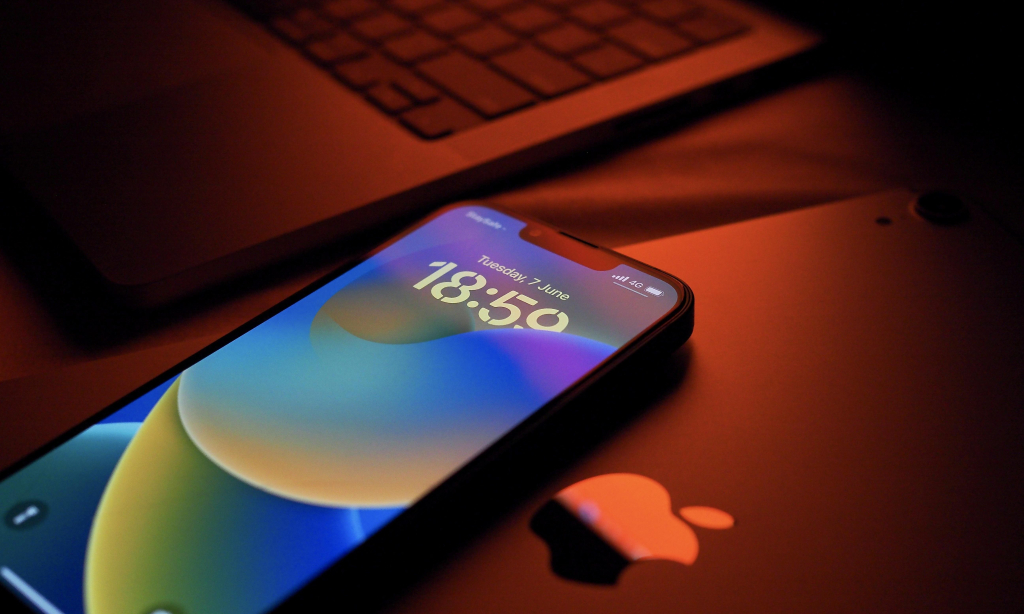
Apple is rumored to launch the iPhone SE 4 early next year, featuring an OLED display, marking the final phase in the company’s transition from LCD to OLED technology across its entire iPhone lineup.
Apple Completes Switch to OLED
In what would be the final step in Apple's embrace of OLED technology across all iPhone models, the company is rumoured to unveil a fourth-generation iPhone SE early next year featuring an OLED display.
Nikkei Asia reports that two long-standing Japanese panel manufacturers, Sharp and Japan Display (JDI), will no longer be part of Apple's iPhone supply chain due to the decision to abandon LCD screens.
Apple Introduced OLED in iPhone X
Apple debuted organic light-emitting diode screens in the iPhone X in 2017. In the time after, Apple's premium iPhone models began using OLED displays instead of LCD panels. This change has had a major effect on companies who provide LCDs. About 200 million LCD panels per year for iPhones were supplied by JDI and Sharp in 2015.
According to MacRumors, however, by 2023, that figure had dropped significantly to about 20 million. Both Japanese LCD manufacturers have recently supplied just iPhone SE models due to Apple's growing use of organic light-emitting diode technology.
JDI and Sharp Shift Focus Away from Apple
For products like the Apple Watch, JDI presently only provides tiny OLED screens. While Sharp is cutting back on its LCD business—which was mostly for TVs—JDI is refocusing on LCDs for automotive applications.
On the other hand, reports indicate that Apple has started sourcing organic light-emitting diode panels from BOE Technology Group in China and LG Display in South Korea for the forthcoming iPhone SE.
iPhone SE 4 Design Mirrors iPhone 14
Reported features of the upcoming fourth-generation iPhone SE include a design similar to that of the iPhone 14, Face ID rather than Touch ID, a USB-C connection, an Action button, a 5G modem developed by Apple, an A18 CPU, and a completely screen-free design that eliminates the Home button.
The hardware needs of Apple Intelligence are driving expectations for a larger display (4.7 inches vs. 6.06 inches) and more RAM (8GB vs. 4GB in the 2022 model).
Mass Production Begins in October 2024
In October of this year, Apple's suppliers will reportedly start producing the iPhone in large quantities.
In January of 2025, just before the Lunar New Year, the gadget might be unveiled. Nonetheless, March has seen the announcement of all three previous iPhone SE versions, so it's not out of the question that the same may happen in 2025.













