


 Maduro Seeks Dismissal of US Drug Trafficking Charges
  US Futures Fall as Fed Meeting, Oil Surge Rattle Markets
  Goldman Sachs Forecasts Fed Rate Hike as Inflation Risks Rise
  Hormuz Vessel Traffic Drops to Single Digits
  29 US states are suing Meta. What might it mean for the rest of the world?
  Saudi Arabia Raises Security Alerts as Houthi Attacks Threaten Oil Routes
  SEC Seeks ISS Client Voting Records in Proxy Adviser Probe
  U.S. Imposes New Visa Restrictions Over South Africa Policies
  Takaichi-Backed Koja Wins Okinawa Governor Race
  Meta Agrees to $18 Billion Settlement, Tightens Teen Social Media Rules
  Bashar al-Assad Sentenced to Death by Syrian Court
  Gold Prices Fall as Hot U.S. Inflation Boosts Fed Rate Hike Bets
  US Immigration Arrests Surge as Deportations Lag Behind
  Honduras Court Drops Charges Against Ex-President Juan Orlando Hernandez
  Gold Prices Steady as Oil Disruptions Boost Fed Rate Hike Bets
  Banking scandal rocks Brazil’s politics and the country’s presidential election in October
  Mahmoud Khalil Sues Columbia Over Alleged Pro-Palestinian Harassment


 Add as a preferred source on Google
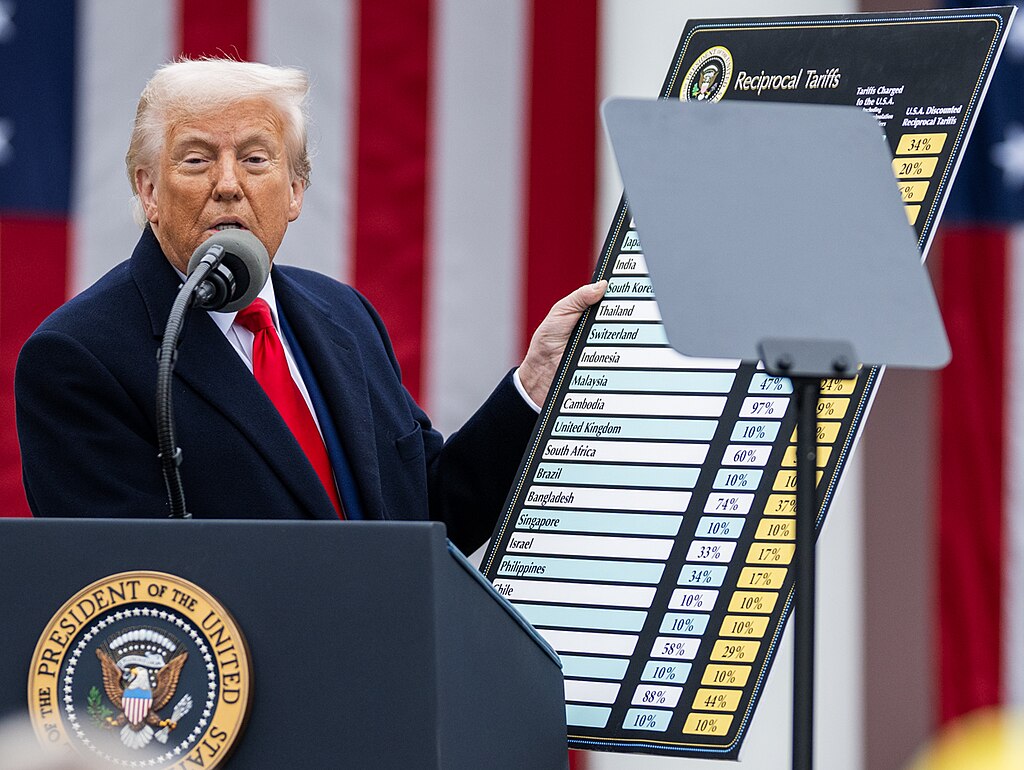
A coalition of 25 Democratic-led U.S. states has filed a lawsuit challenging President Donald Trump’s latest round of global tariffs, arguing that the administration exceeded its legal authority by imposing broad import taxes on goods from 60 trading partners. The case, filed Monday in the U.S. Court of International Trade in New York, marks the latest legal battle over Trump’s aggressive trade policy.
The lawsuit follows similar legal challenges from small U.S. businesses that sought to block the tariffs when they took effect last month. Previous court rulings have already struck down several of Trump’s sweeping tariffs during his second term, yet the administration has continued introducing new trade measures despite repeated legal setbacks.
The tariffs, announced on July 24, impose duties of 10% and 12.5% on imports from 60 trading partners, including the European Union. The Trump administration justified the move by claiming those countries had failed to adequately prevent exports linked to forced labor. The measures replaced an earlier 10% global tariff that had expired.
States including Oregon and New York, all led by Democratic attorneys general or governors, argue the administration is misusing Section 301 of the Trade Act of 1974. While Section 301 has been used by previous presidents to address unfair trade practices, the plaintiffs contend it has historically targeted specific countries or industries—not nearly all U.S. imports.
Oregon Attorney General Dan Rayfield criticized the policy, saying the administration continues to create uncertainty for businesses and consumers despite multiple court defeats. The White House defended the tariffs, arguing they are a lawful response to unfair trade practices and necessary to protect American workers from goods produced with forced labor.
The lawsuit also claims the administration is using forced labor concerns as a legal pretext to revive tariffs that courts previously ruled unlawful under different authorities, including the International Emergency Economic Powers Act (IEEPA). According to the states, broad tariffs affecting more than 99% of U.S. imports are unlikely to address global forced labor issues and instead impose higher costs on American businesses and consumers while creating additional legal uncertainty over U.S. trade policy.







