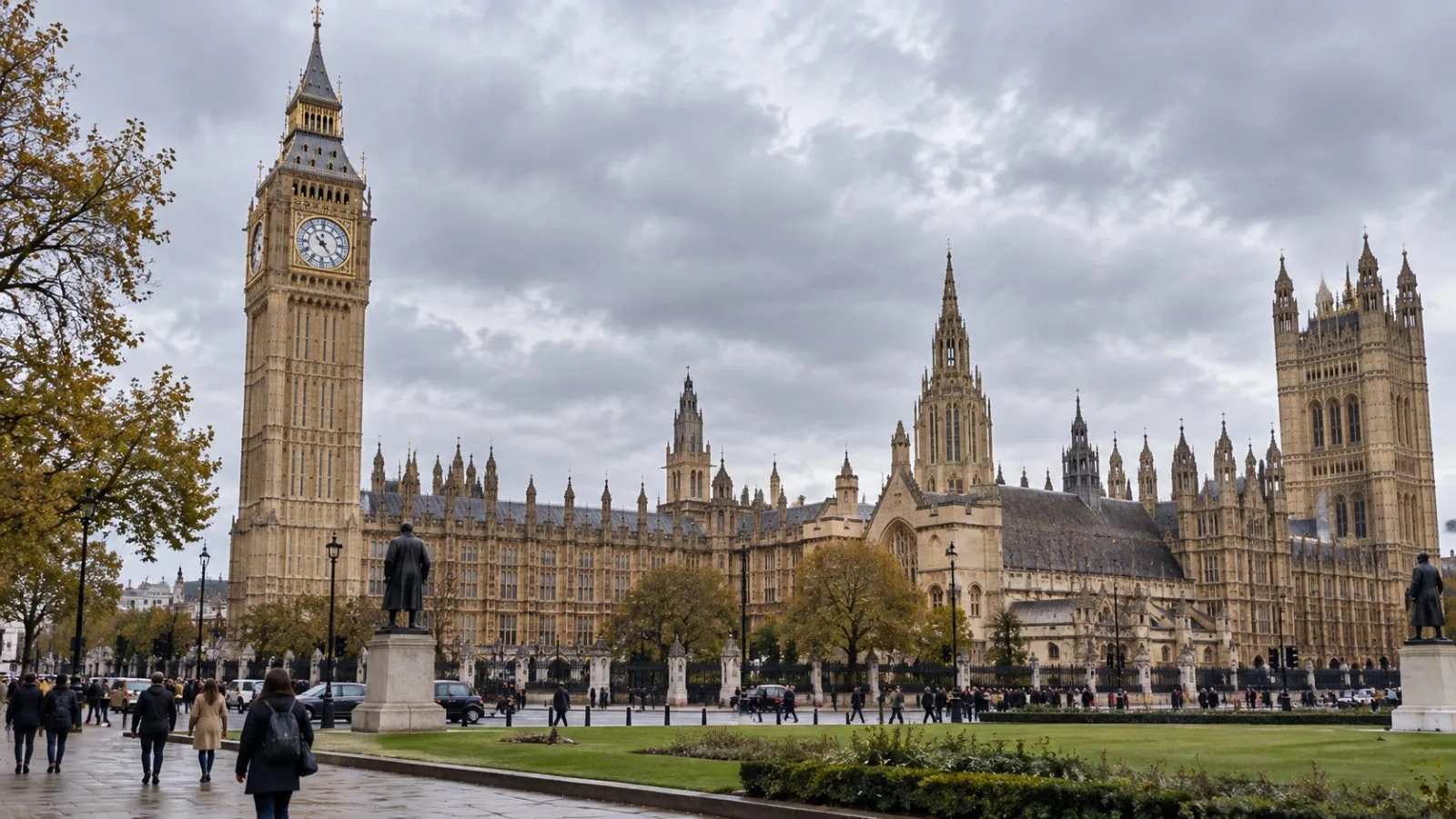
The House of Commons Public Accounts Committee is pressing the Foreign, Commonwealth and Development Office (FCDO) to weigh the British Council’s soft-power role against its £197 million loan and consider grant support.
In a report published Oct. 30, the committee asked the department to explain how the debt could be offset against the Council’s contribution to Britain’s international influence. It called for the FCDO to explore converting as much of the loan as possible into a grant or similar support, but did not specify an amount.
The request challenges a Sept. 8 agreement among the Council, the FCDO and HM Treasury for full repayment by 2041. The Council will make no capital repayments for five years, with equal annual payments due to begin in financial year 2031–32. FCDO parliamentary under-secretary of state Chris Elmore said the plan balances full repayment with protecting taxpayers.
The loan has grown from an initial £60 million provided in July 2020. The National Audit Office (NAO) says the Council has made no capital repayments on the current loan since April 2024, while paying £42 million in interest and commitment fees across its loans between financial years 2020–21 and 2025–26.
The Council recorded cumulative net losses of £184 million from 2020–21 through 2024–25. Its turnaround plan projects no operating surplus until 2029–30, even if fully delivered; the Council forecasts a £9 million surplus that year and negative free reserves of £184 million. The plan projects £306 million in benefits, including £172 million from restructuring and efficiency measures.
Further cuts are part of that plan: an additional headcount reduction of about 25% would leave the Council 46% smaller than its pre-pandemic size. It also includes office closures in nine countries. The Council estimates its work generates more than £1 billion in soft-power activity for the UK each year and reaches more than 700 million people; its FCDO grant-in-aid was £163 million in 2024–25.
The Council relied on teaching English and administering exams for most of its income, using commercial earnings to support its international work. Pandemic closures contributed to a 28% drop in total income in 2020–21, the NAO said. The Council’s 2020 recovery plan achieved £179 million in efficiency savings against a £185 million target, but revenue growth fell short. The committee also cites stronger competition and the Council’s lag in digital teaching services.
The FCDO says the restructured loan remains on commercial terms under the Subsidy Control Act, citing the Council’s commercial Teaching and Exams business. The PAC report says the Council disputes the department’s view that it is a commercial organization. Committee chair Sir Geoffrey Clifton-Brown said the Council needed government help to continue its work and should not be “simply pursued as a debtor.”
The PAC wants the Council and FCDO to report progress every six months and set out what they would do if the turnaround falters before 2029–30.