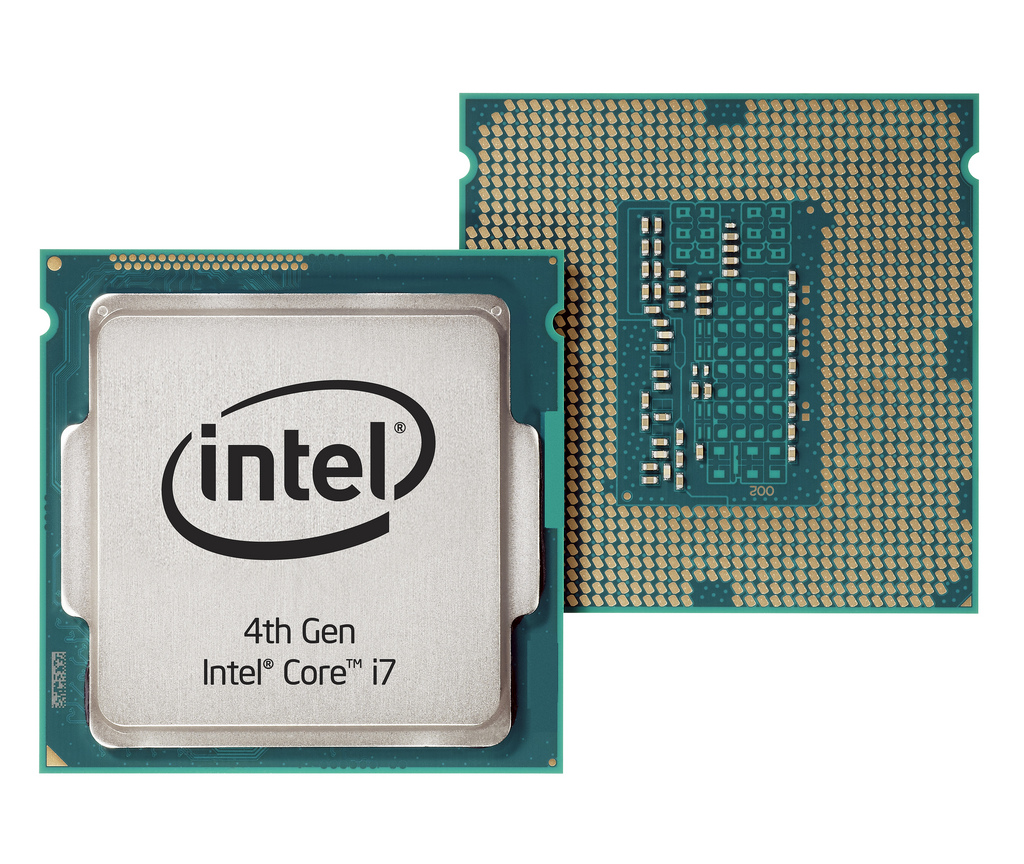
Some may be disappointed that the 7th generation of Intel’s processor will not be providing pure muscle this time around, but anyone who likes more efficiency and performance while watching or playing on 4K will love the new “Kaby Lake” processors. Designed as a second “tock” in the company’s “tick-tock” strategy, Intel opted to provide customers with more of what they have now than trying to meddle with future trends.
Because the 7th generation “Kaby Lake” processor is not really going to be a big performer in terms of pure muscle, Intel will instead be focusing on areas where the processor will be at its best, The Verge reports. These include 4K video resolution, which is quickly becoming the norm among gamers and movie watchers, as well as the emerging virtual reality and augmented reality markets.
Intel is also pointing out that in terms of efficiency, the new “Kaby Lake” processor is 10X what the first generation was able to pull off. In comparison, the 6th generation processor could only reach 8X efficiency. This allows for better power management while maintaining performance. The new chip also provides a huge boost in terms of internet performance and productivity apps.
The company also took the chance to announce that consumers can look forward to a new generation of ultra-thin laptops, which might feature a model that’s thinner than 10-mm. This would make the laptop the thinnest to date, which would push the limits of the full-size computer further than the 10.4-mm thin “HP Spectre 13” is already doing.
Intel has already shipped out the earliest batches of the processor that it has made so far, which will be going to ultra-thin laptops and 2-in-1 devices, PC World reports. By sticking to simply improving on the current features of the Skylake chip, however, Intel has opened up the way for AMD to catch. AMD has vowed to create processors that could rival what Intel has to offer, and by skipping pure muscle, this time, it might just be able to do so.