


 France Targets Shein, Temu With Fast-Fashion Fees
  Venezuela Earthquake Health Risks Rise as Disease Monitoring Intensifies
  Trump Grants Clemency to Jay-Z Associate Emory Jones
  Trump Imposes New US Tariffs on Drone Imports Over National Security Concerns
  Trump Signs Order to Cut Routine Childhood Vaccines
  Nvidia Eyes $2.5 Billion Investment in Thinking Machines Lab
  Trump Targets 1,000 U.S. Space Launches Annually by 2030
  OpenAI Launches GPT-6 Astra With Advanced AI Agent Capabilities
  Deutsche Telekom Shares Rise as Elliott Pushes Against T-Mobile Merger
  Ingenia Rejects A$1.9 Billion Warburg Pincus Takeover Bid
  FDA Investigates New Cyclospora Outbreak as U.S. Cases Continue to Rise
  AstraZeneca, Bristol Myers Squibb Explore Mega Merger Worth Nearly $400 Billion
  Milei Threatens Falkland Oil Firms With Sanctions
  Xiaomi Shares Jump on Europe EV Expansion Plan
  Amazon Prime Air Cargo Plane Crash Kills Five at Miami Airport
  Texas Republicans Turn Against AI Data Centers as Election Backlash Grows
  New Zealand Moves to Ban Social Media for Children Under 16


 Add as a preferred source on Google
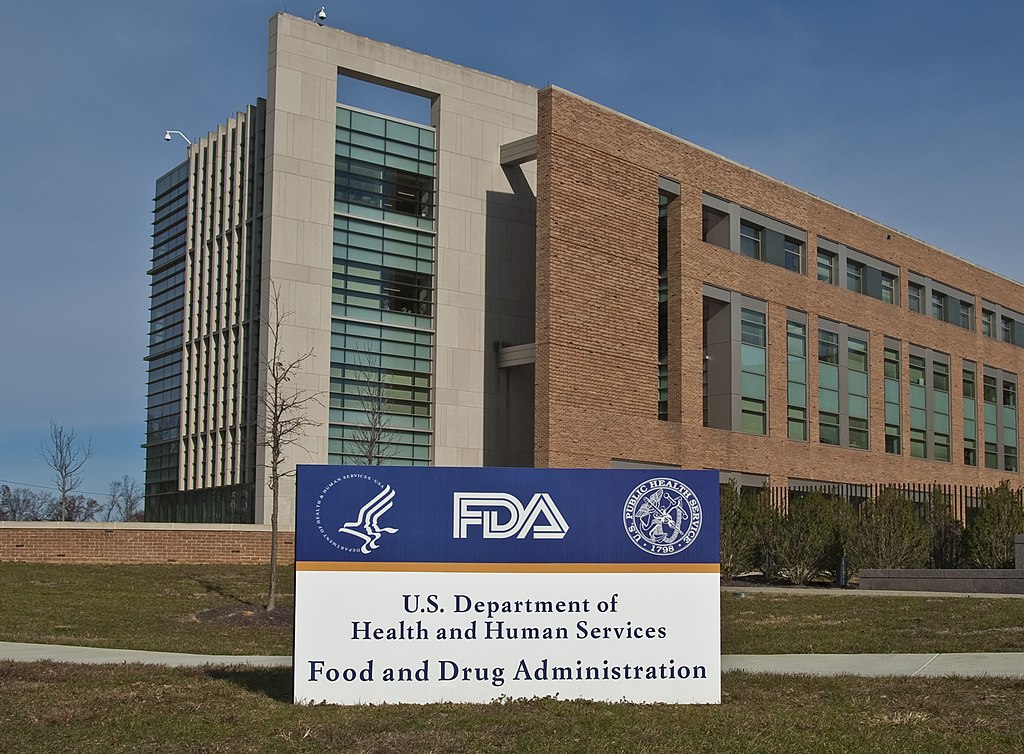
The U.S. Food and Drug Administration (FDA) announced on Friday that it will take enforcement action against telehealth provider Hims & Hers over its $49 weight-loss pill, escalating scrutiny of compounded GLP-1 drugs sold as lower-cost alternatives to branded treatments. The move includes plans to restrict access to key GLP-1 ingredients and a referral of the company to the Department of Justice (DOJ) for potential violations of federal law, signaling a tougher stance on non-FDA-approved weight-loss medications.
The announcement sent shares of Hims & Hers down more than 14% in after-hours trading, highlighting investor concerns about the company’s weight-loss business. The FDA said it is particularly concerned about the quality, safety, and legality of compounded drugs that have not been approved or clinically tested, but are marketed to consumers as substitutes for authorized GLP-1 therapies such as Novo Nordisk’s Wegovy and Eli Lilly’s Zepbound.
Hims recently revealed plans to offer compounded versions of Novo Nordisk’s new Wegovy pill at an introductory price of $49 per month, significantly undercutting the branded product. Novo Nordisk responded by stating it would pursue legal action, while welcoming the FDA’s decision to crack down on what it described as unapproved “knockoff” drugs made with potentially unsafe or inauthentic ingredients. Eli Lilly also praised the FDA’s actions, arguing that unlawful mass production of compounded drugs puts patients at risk.
Compounded medications are legal in limited situations under U.S. law, such as when patients require customized doses or during drug shortages. However, Hims’ weight-loss pill is not FDA-approved and has not undergone clinical trials to demonstrate safety or effectiveness. Legal experts say potential enforcement options could include warning letters, injunctions, or product seizures, though the FDA would need DOJ support to pursue court action.
Hims defended its practices, stating it operates in compliance with applicable laws and is committed to patient safety. Meanwhile, FDA Commissioner Marty Makary emphasized that the agency will use all available tools to combat misleading advertising and unsubstantiated claims, reinforcing that compounded drugs cannot be marketed as generics or clinically proven alternatives to FDA-approved weight-loss medications.







