King Charles III is due to address Commonwealth leaders in Antigua and Barbuda on Nov. 3, as Britain’s role in slavery returns to focus alongside calls for an apology and reparations.
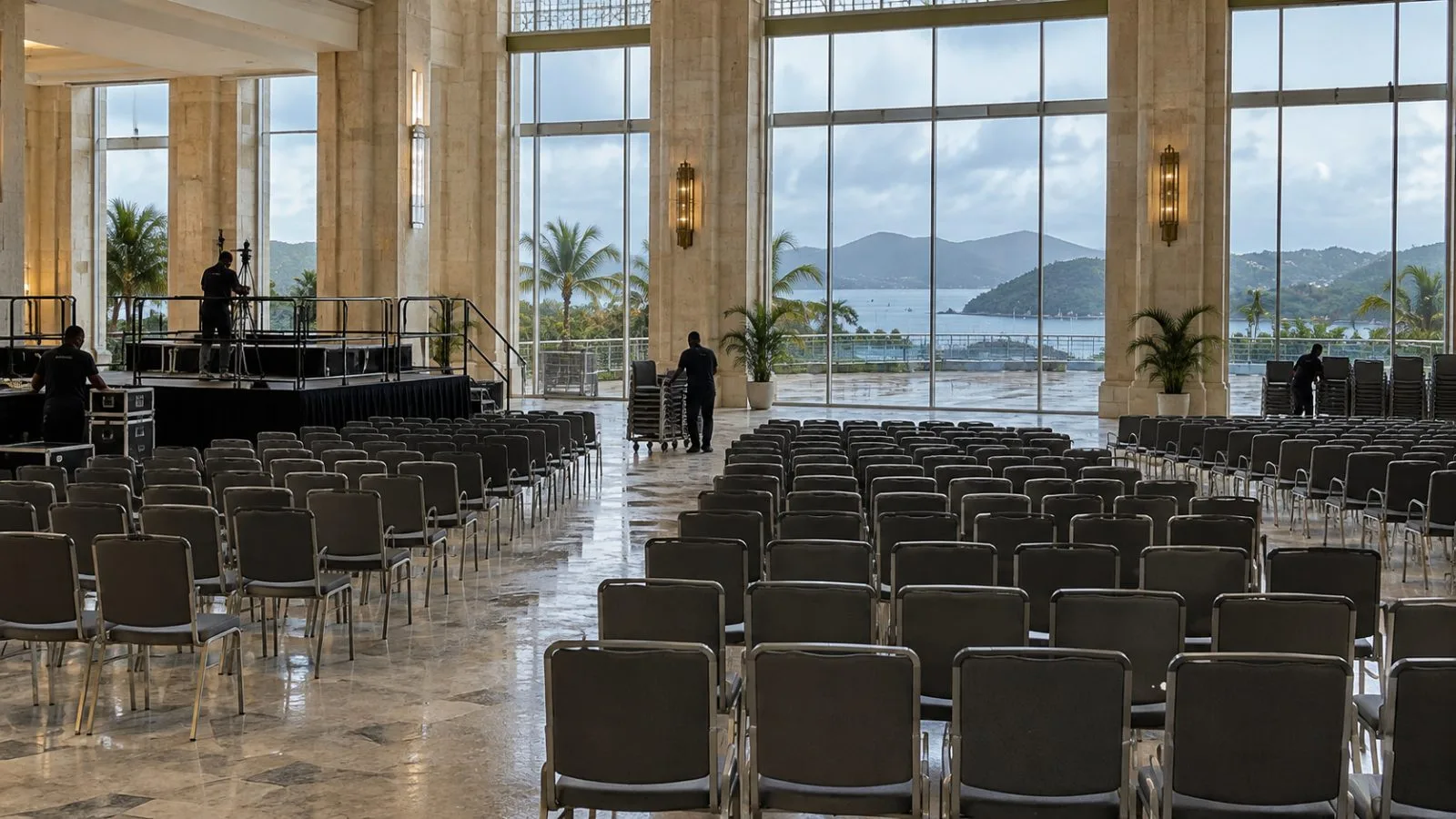
The Commonwealth Secretariat’s schedule lists Charles for the opening ceremony in St. John’s. The meeting is set for Nov. 1-4, and the Royal Family says Charles will attend as Head of the Commonwealth. EconoTimes previously reported on Charles’ expected role in the summit.
AFP reported that a Buckingham Palace spokesperson said the King “will not shy away from confronting the most shameful aspects of the past.” The spokesperson said the address would emphasize practical measures and joint work on global challenges and opportunities.
In a speech in The Bahamas on Oct. 27, Charles said leaders from affected Commonwealth countries would discuss slavery’s legacy in Antigua and Barbuda. He added, “It is only right that we should acknowledge the great suffering and injustices of the past.”
In an Oct. 30 opinion article, UK Prime Minister Andy Burnham proposed talks with people affected by the transatlantic slave trade and said he would hear calls for a formal state apology. He rejected financial reparations, writing, “I do not believe that is the right answer.” EconoTimes has previously covered Burnham’s rejection of financial reparations.
Burnham also proposed working with international partners to give poorer, vulnerable countries more time to repay debt and better rates. He wrote that debt-servicing costs in those countries were at their highest in more than 25 years and that more than 40% spent more on interest payments than on health. His article did not set out a timetable, funding plan or list of countries for the proposal.
The Guardian reported that Dorbrene O’Marde, chair of Antigua and Barbuda’s reparations support commission, welcomed dialogue but said the commission opposed Burnham’s decision to rule out financial reparations.
A British law prohibited the country’s participation in the slave trade in 1807. Parliament passed the Slavery Abolition Act in 1833, with emancipation in British colonies beginning Aug. 1, 1834. The law set aside £20 million to compensate slave owners and established an apprenticeship system for formerly enslaved people. Charles is scheduled to speak on Nov. 3, and the meeting concludes Nov. 4.