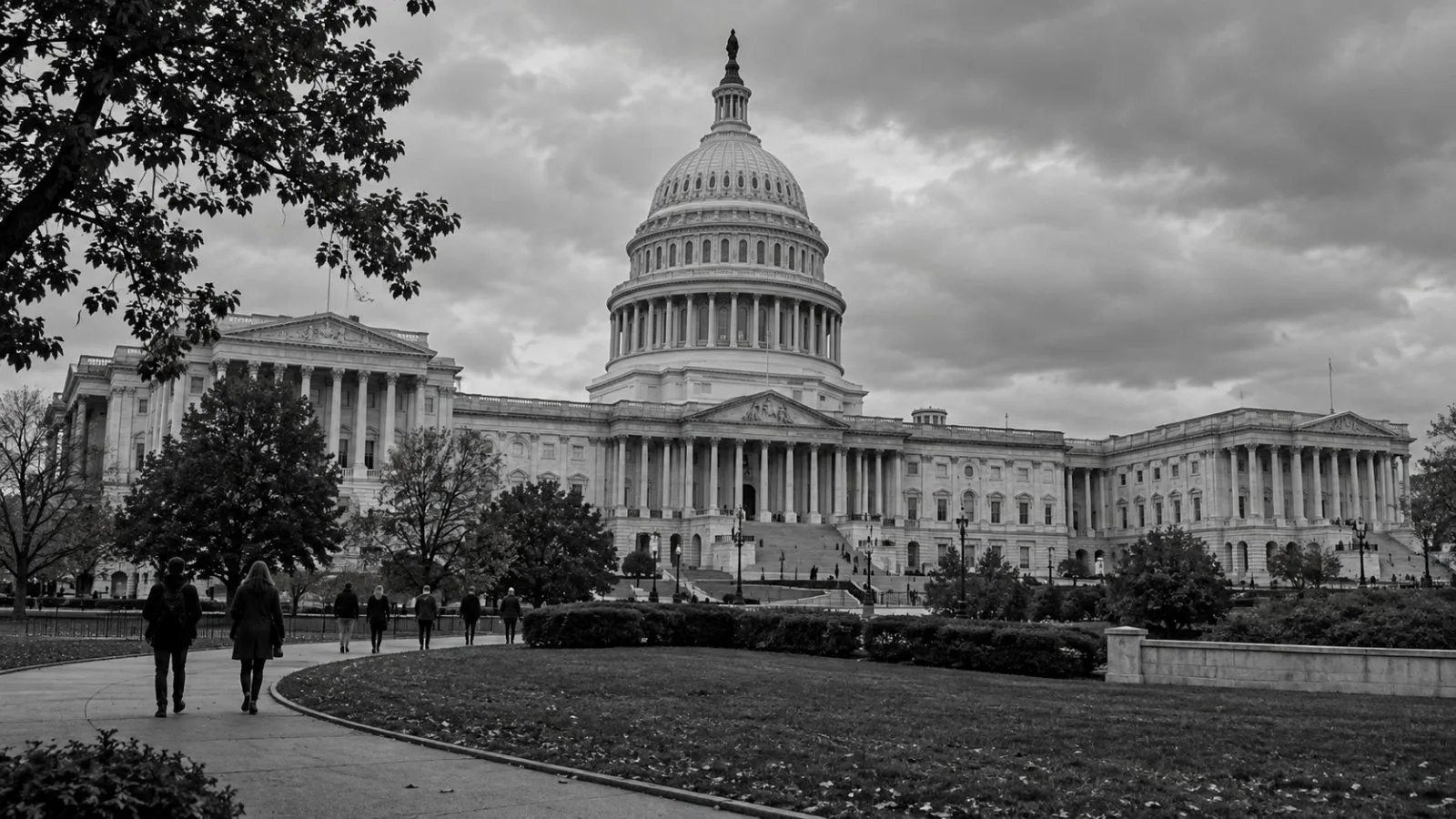
Democratic control of either chamber after the Nov. 3 elections could put AI developers under closer congressional scrutiny, with lawmakers seeking answers about incidents involving loss of control of AI systems.
A House or Senate majority would give Democrats committee leadership and a greater role in setting oversight priorities in that chamber when the new Congress begins Jan. 3, 2027. Democrats would need four net Senate gains, while every House seat is on the ballot.
The House Science, Space, and Technology Committee held a bipartisan briefing Sept. 15 with representatives of Hugging Face, METR, OpenAI and Anthropic about loss-of-control incidents involving AI systems. Rep. Zoe Lofgren, the committee’s top Democrat, called for stronger internal controls and cybersecurity at AI companies. She said 10 AI bills had cleared the committee without receiving a vote in the full House.
House Democratic Leader Hakeem Jeffries announced a House Democratic commission on AI in December 2025. It was to convene throughout 2026 and build policy expertise with stakeholders on economic opportunity, safety, privacy and jobs.
On Oct. 9, Sen. Adam Schiff said Democrats would seek answers from AI executives before Congress about such incidents if control changed. He favors enforceable safeguards over voluntary commitments, but did not announce a hearing.
Sen. Edward J. Markey announced a bill Sept. 24 to establish an independent board to investigate major cyber incidents affecting critical infrastructure, including AI-enabled incidents. His proposal would give the board subpoena power over companies and agencies and allow it to publish findings. Markey argued that companies have little incentive to disclose their failures and compared the proposed board’s authority to that of the National Transportation Safety Board.
The Nov. 3 election will determine whether Democrats gain committee leadership. A leadership shift would begin with the new Congress on Jan. 3, 2027, while lawmakers would decide separately which investigations or bills to pursue.