An AI-assisted lab test reproduced known flaws in a refrigeration controller in about 28 minutes, as European grocers reported disruptions with no evidence tying the experiment to the store incidents.
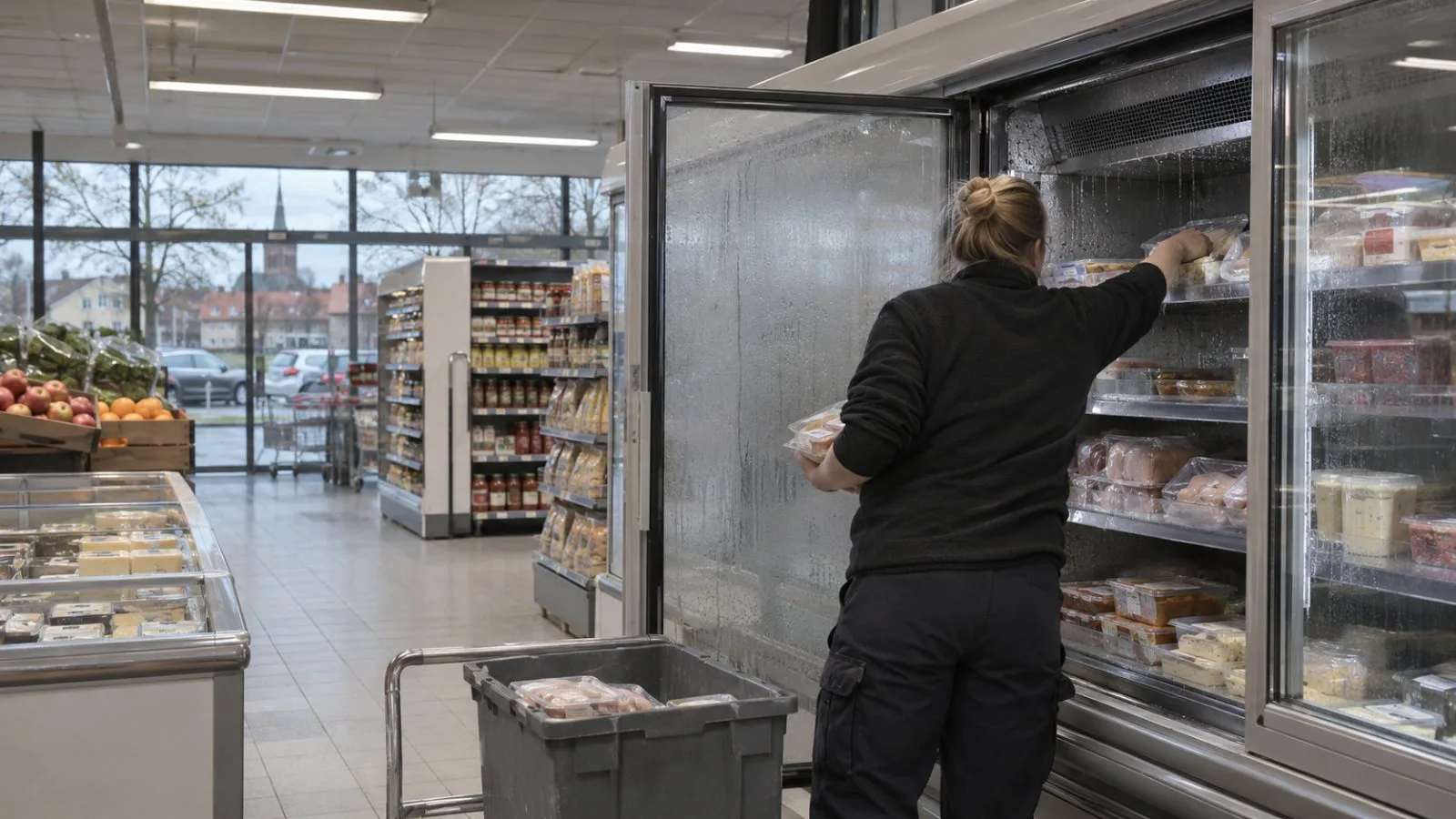
On Nov. 2, Carrefour told The Associated Press that refrigeration problems affected 15 of its more than 700 stores in Belgium. Musgrave said systems were affected at 13 SuperValu stores in Ireland. An ICA store in Sjöbo, Sweden, said its fridges and freezers had been hacked and set to 50 degrees Celsius (122 degrees Fahrenheit). The incidents forced some stores to remove or discard chilled and frozen products. The reports continued a series of European grocers’ refrigeration incidents.
France’s National Agency for the Security of Information Systems (ANSSI) said in an alert published Oct. 12 and updated Oct. 16 that it knew of numerous compromises involving Danfoss AK-SM and AK-SC, Copeland XWEB and Dixell XWEB controllers. The alert did not identify how the devices were accessed.
Remote access lets technicians check refrigeration equipment off-site, reducing visits to individual locations, Claroty said in its controller research. ANSSI advised operators to keep management interfaces off the public internet, use a protected network or secure VPN for remote access, update firmware and replace default passwords. It warned that exposed equipment without security support faced a very high risk of compromise.
Separately, Claroty’s Team82 used Anthropic’s Claude Sonnet 4.6 through the Cursor code editor to test flaws it had previously identified in the Danfoss AK-SM 800A controller. Researchers chained two vulnerabilities to demonstrate root-level command execution on a lab device. Claroty said the test took about 28 minutes and cost about $6 in AI usage. Danfoss addressed the three identified vulnerabilities in firmware version R4.3.1.
The test started with public vulnerability information, firmware and analysis tools. After the AI agent misread an authentication flaw, a researcher redirected it and checked its results. Amir Zaltzman, a vulnerability researcher at Claroty’s Team82, said, “This was not an autonomous vulnerability discovery from scratch.”
Claroty said the precise attack route in France remained unconfirmed. Reuters reported that no one had claimed responsibility for the Nov. 2 incidents and that it could not establish whether they were linked to the French incidents. The lab test does not show that AI or the tested Danfoss flaws were used in the store disruptions.