Chinese consumer-rights advocate Wang Hai is appealing South Korea’s rejection of his family’s refugee applications, AP reported, as China pursues a nationwide campaign against alleged “malicious compensation claims.”
Wang, 53, told AP he arrived in South Korea in late September 2026 with his wife, 8-year-old daughter and infant son after authorities targeted staff involved in his anti-counterfeiting work. He said he feared imprisonment if deported, telling AP, “I would definitely spend the rest of my life behind bars.”
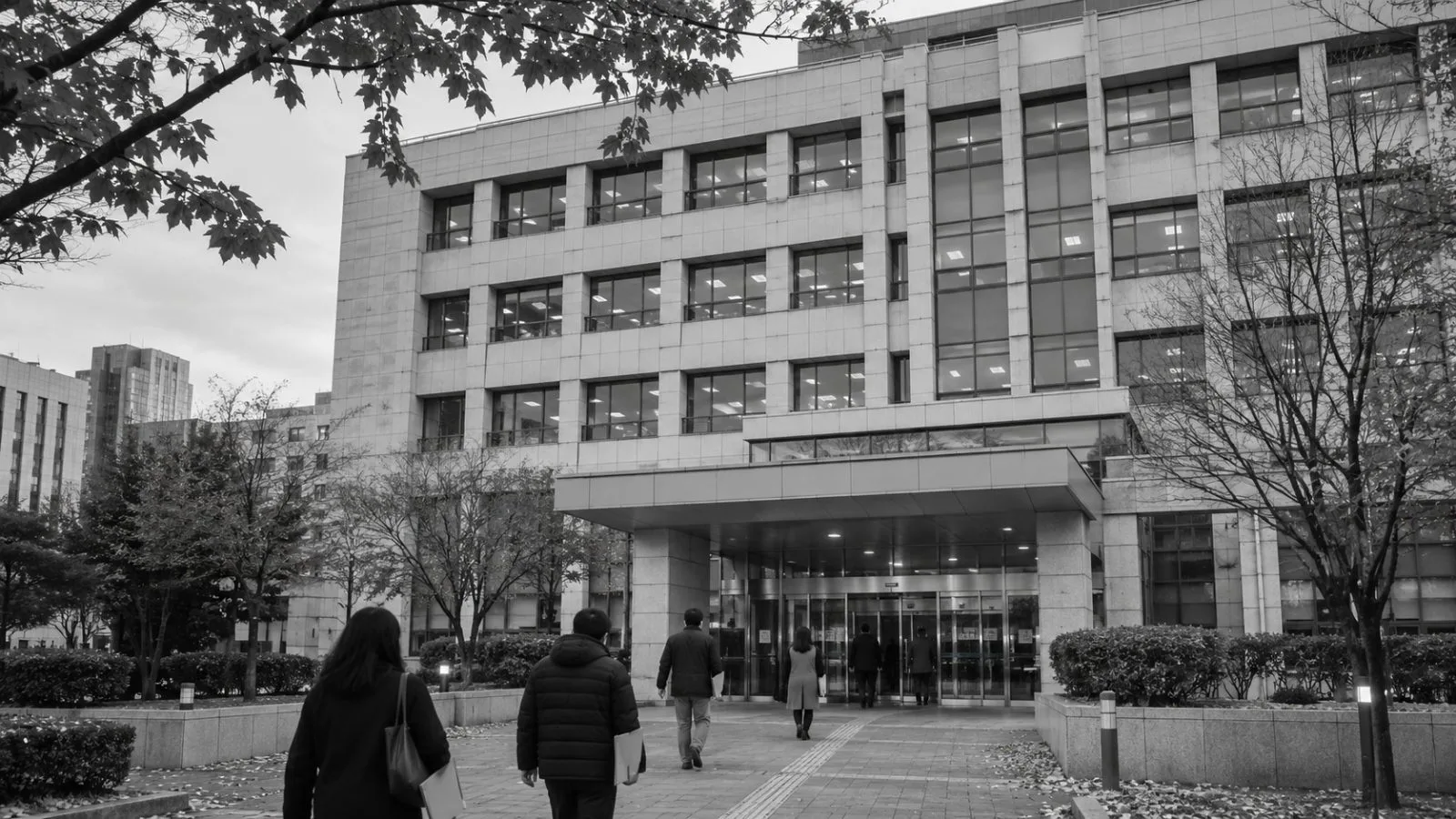
A Nov. 24, 2026, notice from the Seoul Immigration Office records six anonymized refugee rejections, saying the applicants’ feared harm did not meet South Korea’s legal definition of persecution. The notice does not name Wang and does not independently establish that his family was among the six applicants.
Wang told AP that the United States had revoked his tourist visa. An email from the U.S. Embassy reviewed by AP said new information made him inadmissible to the United States or ineligible for a visa, without specifying why. The U.S. Department of State had not responded to AP at publication.
Chinese authorities said in official campaign materials that the roughly one-year nationwide organized-crime operation began in July 2026. Its stated targets include illegal online lending, unlawful debt collection, public-opinion extortion, forced consumption, sexual blackmail and alleged “malicious compensation claims.”
The Ministry of Public Security said its first nationwide operation broke up more than 1,000 groups, captured more than 8,200 suspects and solved more than 5,400 criminal cases. It also said Henan police captured 41 suspects in a case alleging that online shops were extorted through malicious complaints.
Under China’s 2013 Consumer Rights Protection Law, fraud victims may receive enhanced compensation tied to three times the purchase price, subject to an additional payment of at least 500 yuan. Official campaign materials say legitimate consumer claims should be separated from criminal conduct and allege that some people have used complaints, lawsuits or threats of exposure to pressure businesses for money.
AP said its examination of Chinese official statements counted at least 100 arrests involving alleged extortion through anti-counterfeiting or compensation claims. No official source cited by AP confirmed that Wang himself had been accused of extortion or organized crime.
Wang gained prominence during the 1990s by challenging counterfeit-goods sellers and pursuing consumer compensation. At a June 30, 1998, White House roundtable in Shanghai, President Bill Clinton described him as a consumer advocate.
AP reported that China’s Foreign Ministry said it was unaware of Wang’s case, while the Ministry of Public Security did not respond. Wang has appealed the South Korean decision and is seeking resettlement in Canada with help from a human-rights organization, AP reported.