The International Energy Agency (IEA) says 2026 LNG disruptions through the Strait of Hormuz highlighted gas-supply security, while AVEVA executive Nayef Bou Chaaya argued in Gulf News that operators should manage risk daily.
The IEA's Nov. 3 Global Gas Security Review recalls the supply shock after Russia's invasion of Ukraine in 2022. The agency says countries need closer coordination and continued investment throughout gas and LNG value chains.
A separate IEA outlook estimated global energy investment at $3.4 trillion in 2026. It projected $1.2 trillion for oil, natural gas and coal combined, including $330 billion for natural gas. The agency said conflict-related financial volatility was slowing some investment decisions and raising long-term financing costs, putting capital-intensive technologies and emerging and developing economies under particular strain.
In a Nov. 3 Gulf News article, Bou Chaaya, AVEVA's vice president for the Middle East, Turkey and Central Asia, argued that companies should incorporate risk checks into routine operations. “What’s changed is that risk has moved down the pipeline, from planning and annual outlooks into everyday operations,” he said.
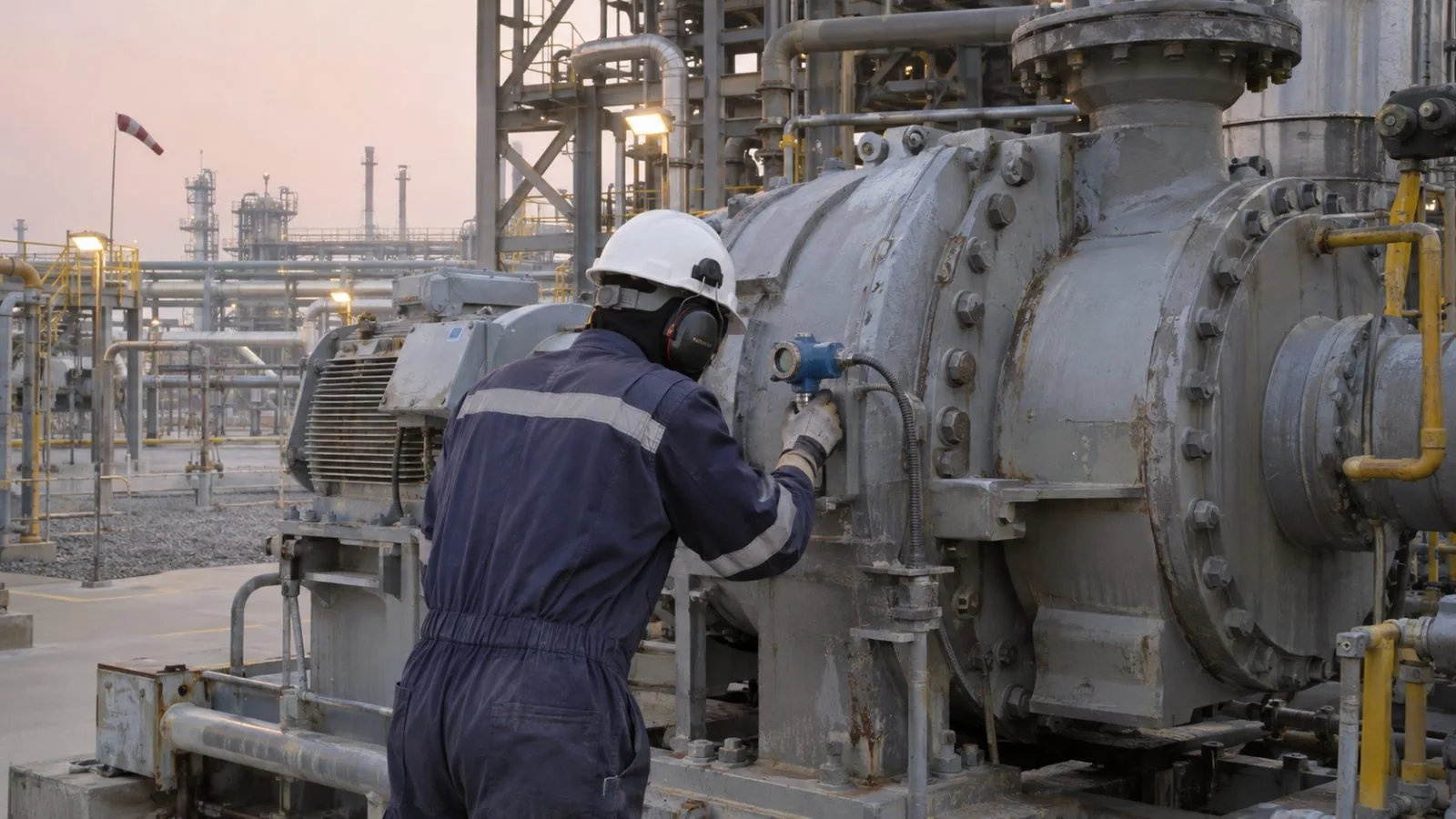
ADNOC Gas says its Centralized Predictive Analytics Diagnostics system compares live readings with past records across more than 500 critical rotating assets to help teams identify anomalies and maintenance needs.
Dubai Electricity and Water Authority (DEWA) says clean-energy sources account for more than 21.5% of its total capacity, with a target of 36% by 2030. Its Mohammed bin Rashid Al Maktoum Solar Park has 3,860 megawatts of installed capacity and is planned to exceed 8,000 megawatts by 2030.
DEWA lists a seventh phase planned for 2027-29. The proposed phase includes 2,000 megawatts of solar photovoltaic capacity and a 1,400-megawatt battery system designed for six hours of storage.