Focus Taiwan reported that AerosoarX is proposing a cross-border drone production network to help maintain output if conflict disrupts one plant.
At the company’s first public event Wednesday, Chairman Max Lo said a prolonged war could exhaust stockpiles. Citing Russia’s war in Ukraine, he said, “Stockpiles can only determine the first month of fighting,” Focus Taiwan reported.
Focus Taiwan reported that Lo assigned Taiwan the work of bringing systems together and designing modular products, while overseas partners would handle assembly. Focus Taiwan reported that Lo said compatible parts and coordinated production methods could let other factories add capacity if a site were halted. Focus Taiwan named Vietnam and Malaysia as possible hubs. CNA’s Mandarin report also discussed possible assembly in U.S. and European markets and referred to a Rajant facility in Kentucky.
Lo said the shift away from Chinese suppliers carries economic costs and should happen gradually, with the most important supply links addressed first, Focus Taiwan reported. He also said overseas customers could help keep smaller production sites running and allow them to increase output during an emergency, Focus Taiwan reported. Co-founder and CEO Jason Wu said the company could not build its supply chain by focusing on Taiwan alone, Focus Taiwan reported.
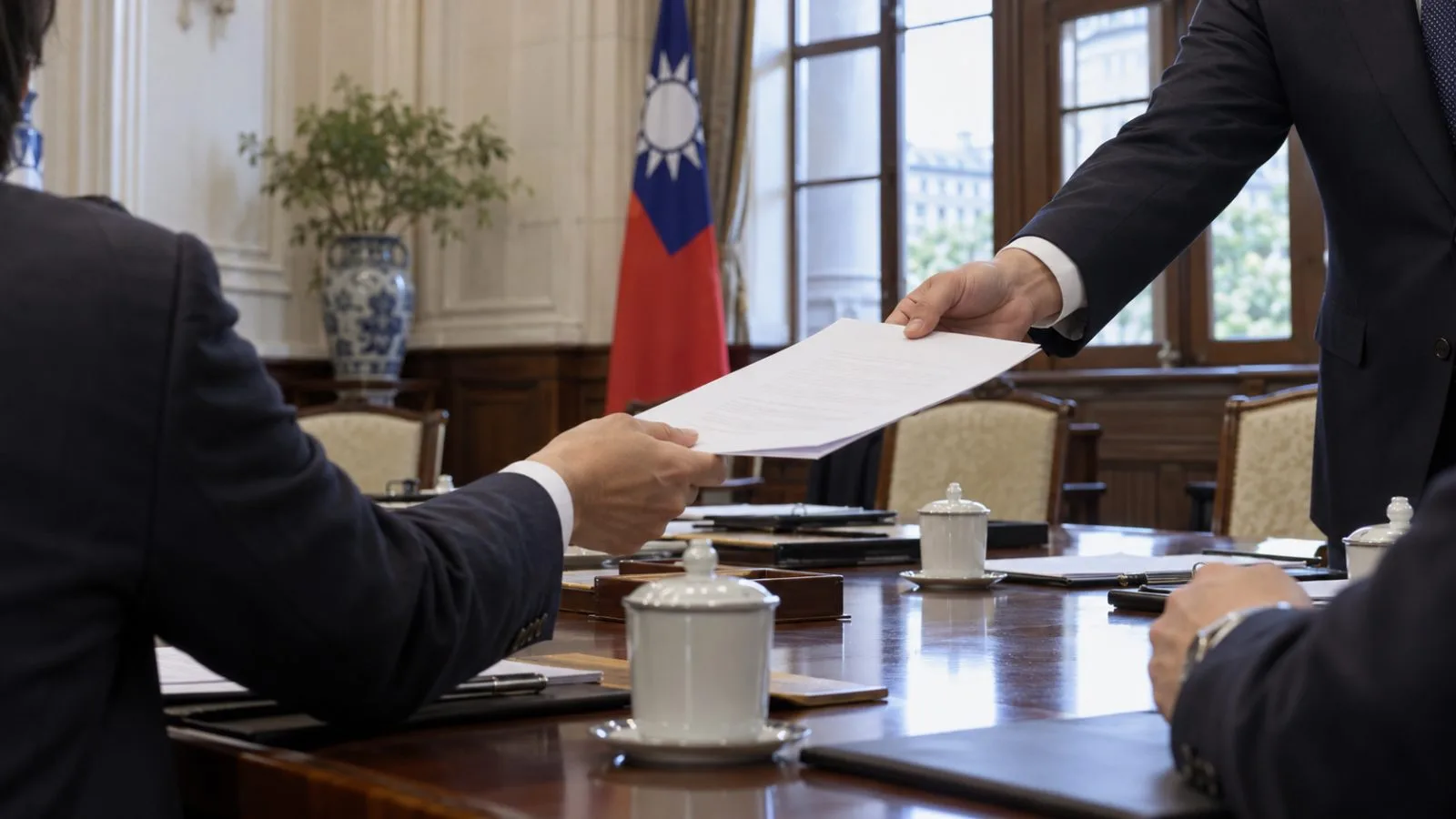
CNA and TechNews reported that AerosoarX signed memorandums of understanding Wednesday with U.S. companies Rajant and SiMa.ai. CNA described the stated aims as developing global markets and deepening Taiwan-U.S. technology cooperation. The reports did not specify production volumes, delivery dates, funding terms or production commitments.
Taiwan’s business registry lists AerosoarX as established on April 17, 2026. The proposal follows earlier Taiwan outreach to Europe over trusted drone supply chains.
Taiwan’s Executive Yuan said drone-industry output reached NT$12.9 billion in 2025 and finished-drone exports totaled NT$2.95 billion. The government set a 2030 industry-output target of NT$40 billion. Separately, a Taiwan law calls for NT$240 billion in budget allocations over six years for defense self-reliance and unmanned-vehicle industry development, through annual budget procedures, with NT$40 billion as the annual norm.