The foreign ministers of 12 countries including the European Union, as well as the United States and the United Kingdom, called on the Taliban to reverse its latest decree on female humanitarian workers. This follows the insurgent group’s order to non-government organizations to ban its female employees from returning to work.
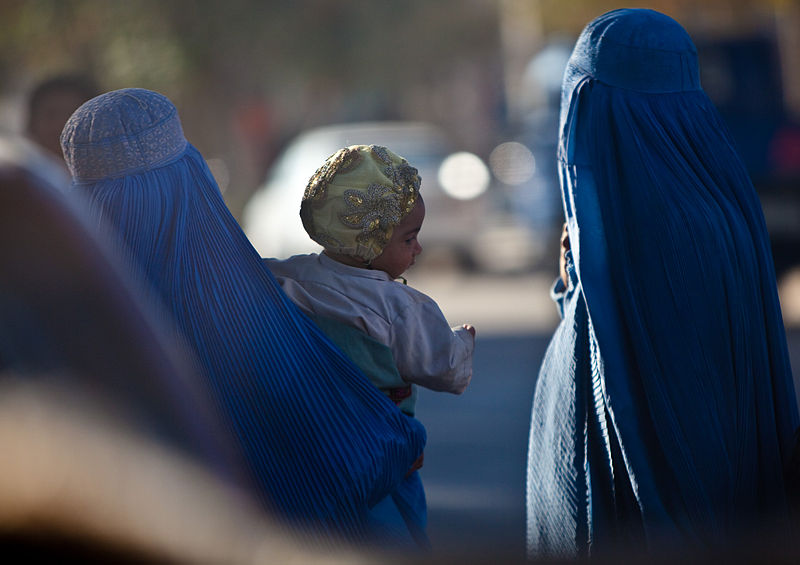
The foreign ministers of the European Union’s executive branch, Australia, Canada, Denmark, France, Germany, Italy, Japan, Malta, Norway, Spain, Switzerland, the Netherlands, the UK, and the US issued a joint statement calling on the Taliban to reverse the bans on female aid workers. The ministers expressed concern about the Taliban’s “reckless and dangerous” order, saying that it would put millions of Afghans at risk, especially those who rely on humanitarian assistance to survive.
The ministers stressed the importance of women in humanitarian work, saying that NGOs would not be able to reach parts of Afghanistan that are in need of support without their participation. The ministers also said the ban also prevents international humanitarian organizations from delivering much-needed aid to Afghans as the organizations coordinate with NGOs in the country.
“The Taliban continue to demonstrate their contempt for the rights, freedoms, and welfare of the Afghan people, particularly women and girls, and their disinterest in normal relations with the international community,” said the statement.
“We support the Afghan people’s calls for girls and women to return to work, school, and university, and for women to continue to play essential roles in humanitarian and basic needs assistance delivery, and we urge the Taliban to respect the political, economic, social, and cultural rights of women and girls in Afghanistan.”
The ban on female aid workers follows the ban by the insurgent group on female students attending university, as high schools for girls have been shut down since March.
The United Nations aid chief Martin Griffiths is set to visit Afghanistan in the coming weeks, according to a senior UN official. Griffiths will be seeking to meet with the Taliban’s highest-ranking officials following the ban on women aid workers.
The UN has previously said that 97 percent of Afghans are living in poverty, while two-thirds of the country’s population needs aid to survive, and 20 million are facing acute hunger.