


 Who should own the knowledge that underpins AI technology?
  FDA Weighs Safety Standards for Psychedelic Therapies
  SEC Seeks ISS Client Voting Records in Proxy Adviser Probe
  Trump Threatens EU Tariffs Over Canada Membership Proposal
  FAA Allows Boeing to Sell 35 More 777F Freighters Beyond 2028
  US Resumes Immigrant Visa Processing for Hungary, Poland
  Australia Defends Social Media Algorithm Law Amid US Concerns
  France Urges Faster AI Push Despite Safety Risks
  Paris Talks Focus on Lebanon Army Needs as UNIFIL Exit Looms
  US Immigration Arrests Surge as Deportations Lag Behind
  US Officials Meet Houthis in Oman Amid Yemen Offensive
  Judge Blocks Trump Rule Limiting Foreign Student Visas
  FCC Approves Foreign Investment in $110B Paramount-Warner Bros. Deal
  Trump Bans CNN, MS NOW and Politico From White House
  Najib Razak Granted House Arrest Until 2028
  Russian Attack on Balakliia Kills Two, Injures Two


 Add as a preferred source on Google
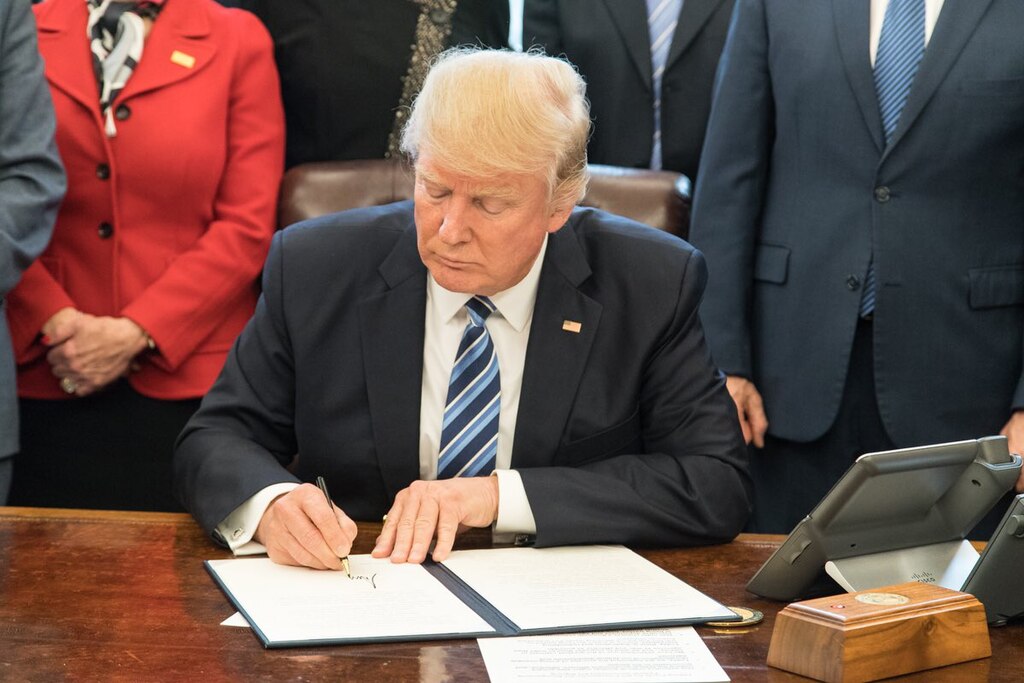
U.S. President Donald Trump signed executive orders on Tuesday aimed at reviving the declining coal industry, a move that contrasts with global efforts to cut carbon emissions. Standing beside coal miners at the White House, Trump vowed to “put the miners back to work,” targeting a workforce that has dropped from 70,000 to 40,000 over the past decade.
Once supplying 50% of U.S. electricity in 2000, coal now accounts for under 20%, according to the Energy Information Administration. This decline stems from the rise of cheaper, cleaner alternatives like natural gas, solar, and wind. However, electricity demand is now rising for the first time in 20 years, driven by AI data centers, electric vehicles, and cryptocurrency mining—offering a potential lifeline to coal.
Trump’s orders include using the Defense Production Act to support coal production and instructing Energy Secretary Chris Wright to consider classifying metallurgical coal as a "critical mineral." This could pave the way for emergency powers to boost coal output. Another directive asks the U.S. Attorney General to challenge state climate laws that hinder fossil fuel development.
The administration also ended a federal moratorium on new coal leasing and made $200 billion in financing available through the Energy Department’s loan office, which could fund advanced coal technologies.
Shares in major coal companies, including Peabody and Core Natural Resources, surged nearly 9% after the announcement. Yet uncertainty remains, as hundreds of coal plants have shut down due to economic and environmental pressures.
While industry leaders praised the move as a win for energy security, environmental advocates criticized it as a regressive step. They argue coal is outdated, expensive, and harmful, urging a focus on building a cleaner, modern energy grid.







