


 MI5 Warns of Rising Iran, Russia Threats and AI Bioweapon Risks
  Trump Announces Russia-Ukraine Energy Ceasefire as Zelenskiy Awaits Details
  Panama Declares Emergency After 7.7 Earthquake Triggers 200 Aftershocks
  European Auto Stocks Rise as EU-China Trade Deal Targets Hybrid Imports
  Trump Plans White House Shake-Up of Key AI Safety Agency
  Flavio Bolsonaro Backs Brazil’s 40-Hour Workweek Reform Ahead of Runoff
  US Senate Midterms 2026: Key Races That Could Flip Control
  Zelenskiy Says Ukraine Received No Warning Before Russian Missile Attack
  US Supreme Court Denies Release of Anti-ICE Activist Kyle Wagner
  NATO Commander Warns Russia of Devastating Response to Attack
  Zelenskiy Seeks New US Talks to Revive Ukraine-Russia Peace Negotiations
  US Recalls Nicaragua Envoy After Ambassador Rejection
  Mahmoud Abbas Postpones Palestinian Elections to September 2027
  Trump Warns Houthis Over Attacks, Considers Erdogan Intervention
  US Condemns China Sanctions on Taiwan Allies Belize and Paraguay
  Most Americans Oppose Election Betting on Prediction Markets, Poll Finds
  Jordan Bardella Antisemitism Allegations Threaten Le Pen’s Campaign


 Add as a preferred source on Google
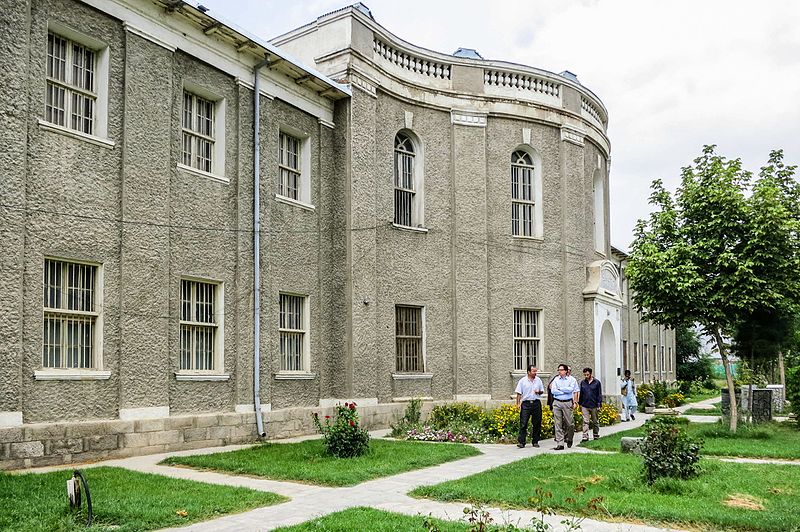
The Taliban is seeking to reopen Afghanistan to the world following its takeover of the country in August. Recently, with the added security of the insurgent group, Afghanistan’s national museum has reopened to the public.
Al Jazeera reports that the National Museum of Afghanistan reopened a little over a week ago, several months after the Taliban took over Afghanistan in August amidst the withdrawal of US and NATO forces. Members of the Taliban are now guarding the building in Kabul that contained artifacts it once tried to smash through.
Around 50 to 100 people have visited the museum every day, some of whom are members of the insurgent group. The museum’s director Mohammad Fahim Rahimi and his staff have been allowed to keep their positions in the museum, but like many civil servants of Afghanistan, have not received their salaries since August.
According to Rahimi, only the security guards have changed when it comes to the museum. Female security guards have been provided by the Taliban to check women before entering the building. The museum is also experiencing frequent power interruptions, leaving some exhibits literally in the dark as the building’s generator has broken down.
Last week, a group of armed Taliban members came to visit the museum, using the lights from their mobile phones to look at the displays.
In the 1990s, when the insurgent group first came to power, its members ransacked the museum and destroyed statues, especially statues that it has considered un-Islamic. In 2001, the Taliban destroyed two giant Buddha statues carved into a cliff at Bamiyan, sparking international backlash.
In other related news, the team picked by the US Department of Defense tasked to conduct a review of the US military withdrawal from Afghanistan has begun the work. Aside from the withdrawal, the team will also look at the signing of the Doha agreement made between the insurgent group and the Trump administration in 2020. The agreement set in motion the withdrawal of US military forces in Afghanistan that already began with reducing US troops from 13,000 to 8,600 in June of 2020.
The agreement also stipulated that all US diplomatic personnel, contractors, and other related individuals leave by April 2021. The timeline has since been extended by the Biden administration until August.







