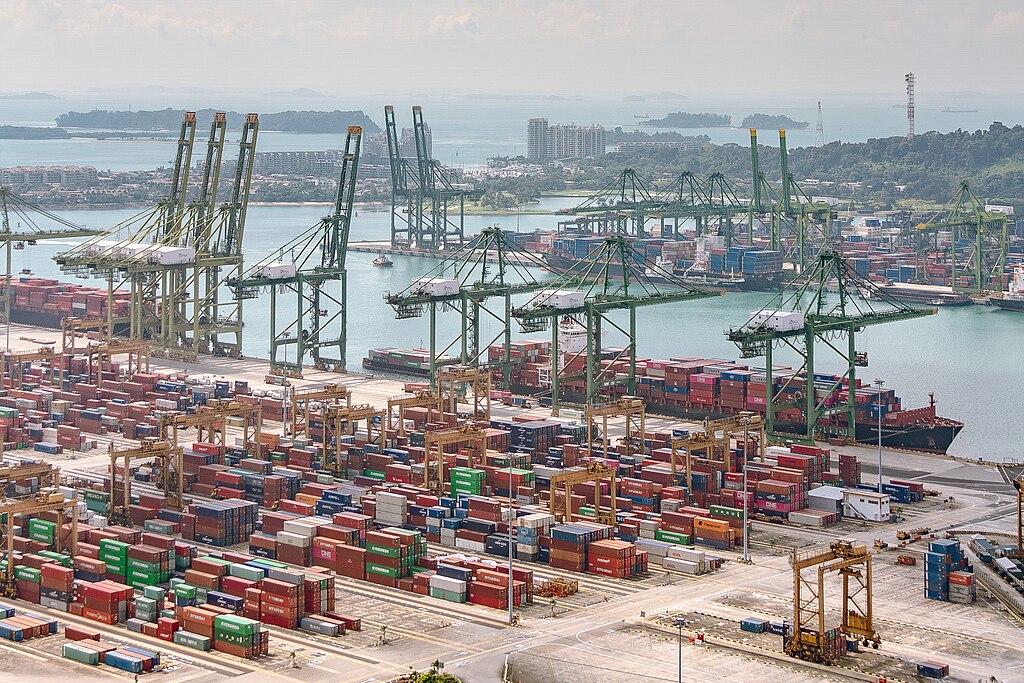
Singapore has expressed disappointment over the United States’ decision to impose a 10% tariff on its exports, despite a long-standing free-trade agreement (FTA) and a U.S. trade surplus. Trade and Industry Minister Gan Kim Yong, who also serves as Deputy Prime Minister, addressed the issue at a press conference on Thursday, stating that Singapore could take countermeasures under the FTA established in 2004, but has opted not to retaliate.
"Retaliatory import duties will just add cost to our imports," Gan said, emphasizing the potential economic downsides. He also noted that the government will be reviewing its economic outlook in response to the escalating trade tensions.
Gan stressed that Singapore is seeking dialogue with the U.S. to understand President Donald Trump’s concerns and explore possible resolutions. "If there are no specific concerns, then it’s more difficult to argue or to negotiate," he added.
The new 10% U.S. base tariff impacts Singapore less severely than some Southeast Asian neighbors, where tariffs range from 32% to 49%. Despite the U.S. citing a goods trade surplus of $2.8 billion with Singapore in 2024 — an 84.8% jump from the previous year — Singapore’s data shows a much higher U.S. trade surplus of approximately $30 billion, according to Gan.
The tariff move raises concerns about the future of U.S.-Singapore trade relations, particularly given the mutual benefits derived from their FTA. Singapore’s measured response reflects its focus on economic stability and ongoing diplomatic engagement, rather than escalation.
This development adds to growing uncertainty in global trade, highlighting the risks of protectionist policies and the importance of maintaining open and fair trade agreements.